
As an Amazon Associate, I earn from qualifying purchases at no extra cost to you.
Amana Refrigerator Making Noise: How to Fix it Yourself

I once spent three hours chasing a ghost in a kitchen only to find a loose jar of pickles. Most people think their fridge is dying when it starts growling at them. An amana refrigerator making noise is usually just a small part vibrating or a fan hitting a bit of ice.
Check the back of the fridge to see if the drain pan is rattling against the frame. Move the unit away from the wall to give the compressor enough room to breathe. Clean the thick dust off the black coils underneath so the motor doesn’t have to work so hard. Level the legs with a wrench to stop the whole cabinet from leaning and shaking. Listen closely to tell if the sound comes from the freezer fan or the back bottom area. Replace the small circular fan blade if you see any cracks or chips in the plastic.
Why is my Fridge Making a Loud Humming Sound?
Your fridge has a lot of moving parts that can get tired over time. A hum is usually the compressor doing its job, but it shouldn’t sound like a jet engine. If the noise is constant, the motor might be struggling to stay cool. This happens when the coils are covered in pet hair or kitchen grease. It forces the system to run twice as long as it should.
The sound might also come from a vibrating water valve or a loose panel. Modern fridges use thinner metal than the old ones our grandparents had. This means every little shake echoes through the whole kitchen. Sometimes a simple nudge to the left or right stops the metal from rubbing. You don’t always need a toolbox to bring back the peace and quiet.
Lastly, check the floor underneath the fridge. An uneven floor makes the heavy compressor sit at a weird angle. This creates a deep drone that travels through the floorboards into other rooms. You can usually fix this by twisting the leveling legs until the unit is solid. A stable fridge is a silent fridge.
- Check if the drain pan is loose.
- Clean the condenser coils with a brush.
- Make sure the fridge isn’t touching the wall.
- Level the front legs using a wrench.
- Look for ice buildup near the evaporator fan.
- Tighten any loose screws on the back cover.
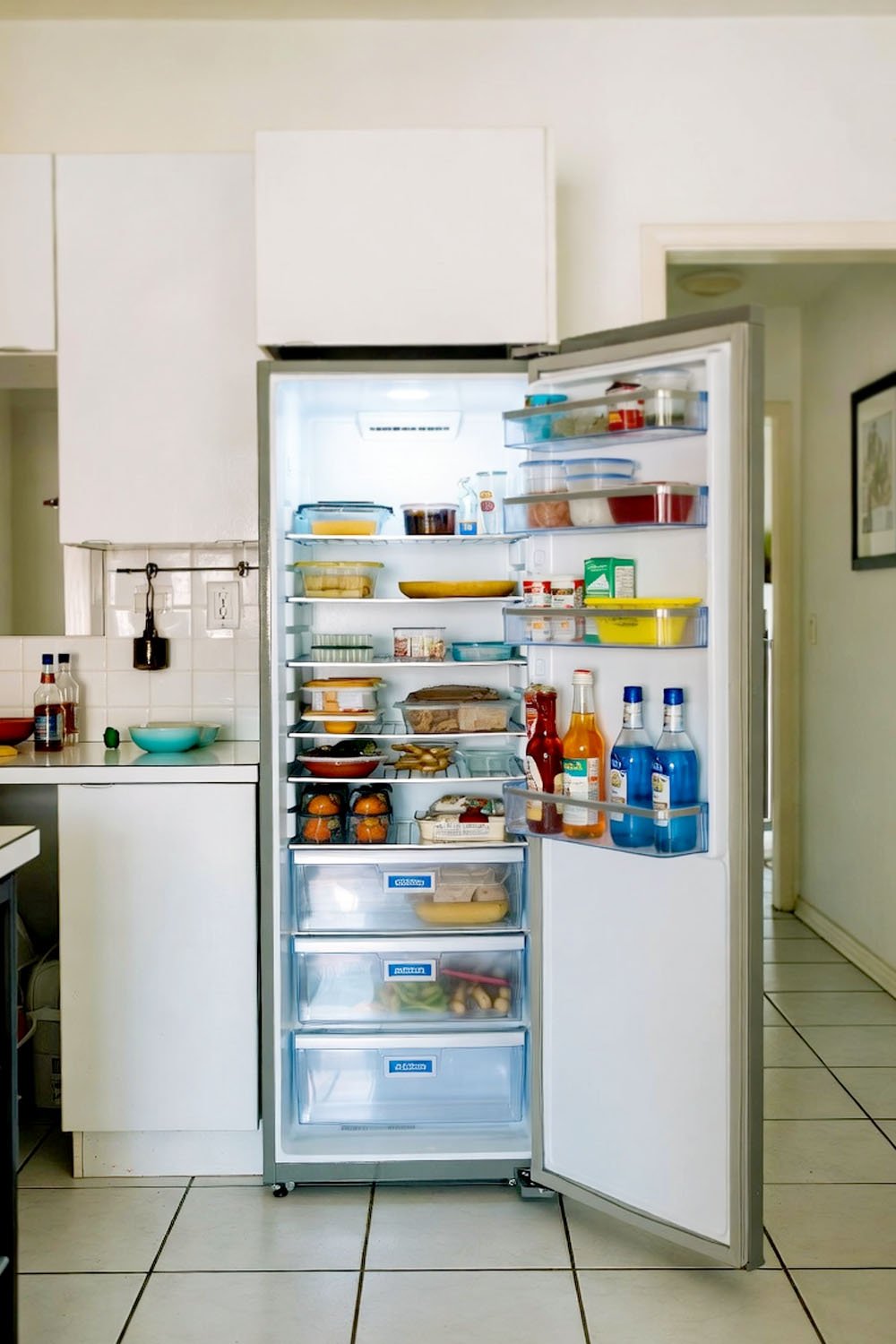
How to Stop Your Amana Refrigerator Making Noise
Inspect the Condenser Fan
The condenser fan sits right next to the compressor at the bottom back of your unit. Its job is to blow air across the coils to keep things cool. Over time, hair, dust, and even stray bits of trash get sucked into the blades. This causes a loud thumping or grinding sound every time the cooling cycle starts up.
You should unplug the fridge and pull it out to get a clear view. Use a flashlight to see if anything is stuck in the fan path. I’ve found everything from dog toys to old pens jammed in there. Use a vacuum with a narrow tip to suck out the heavy gunk that builds up on the motor housing.
If the fan blade is clear but still noisy, the motor bearings are likely worn out. Try spinning the blade with your finger to see if it moves freely. If it feels stiff or makes a squeak, you need a new motor. Replacing this part is a quick fix that saves your compressor from burning out early.
- Unplug the power before touching the fan.
- Use a soft brush to clean the blades.
- Check the rubber grommets for any wear.
- Spin the fan manually to test for friction.
Check the Evaporator Fan
This fan lives inside the freezer compartment behind the back panel. If the noise gets louder when you open the freezer door, this is your culprit. It circulates cold air throughout the entire fridge. When the defrost system fails, ice builds up around these blades. The noise you hear is the plastic hitting hard ice chunks.
You can often fix this without buying any parts at all. Just melt the ice with a hair dryer on a low setting. Be careful not to melt the plastic liner of the fridge while you do this. If the ice comes back in a few days, you might have a bad defrost heater or timer.
Sometimes the fan motor itself just gets old and dry. A high pitched chirping sound usually means the internal lubrication is gone. In my experience, trying to oil these small motors doesn’t work for long. It is much better to just swap it out for a fresh one to keep your food cold.
- Listen for noise changes when opening doors.
- Remove the back freezer panel to see ice.
- Defrost the unit manually to melt buildup.
- Verify the fan blade isn’t hitting the shroud.
Level the Fridge Legs
A fridge that isn’t level will always be louder than one that is. The compressor hangs on springs inside a metal tank. If the fridge tilts too much, that heavy motor hits the side of the tank. This creates a rhythmic “clack” that can drive you crazy at night. It also makes the doors swing shut too hard.
Look at the very bottom of the fridge behind the base grille. You will see two threaded legs that can be turned up or down. I like to use a spirit level on top of the fridge to be sure. You want the front to be slightly higher than the back. This helps the doors close and keeps the oil in the compressor where it belongs.
If your floor is very uneven, the fridge might rock back and forth. This creates a vibrating rattle that sounds like loose change in a dryer. Adjust the legs until the unit doesn’t move when you tug on the handle. A firm grip on the floor kills most of the mystery rattles instantly.
- Pop off the bottom grille to see legs.
- Use a hex head wrench or pliers.
- Ensure all four corners touch the floor.
- Tilt the front up about half an inch.
Secure the Drain Pan
The drain pan is a plastic tray located at the very bottom of the fridge. It catches water during the defrost cycle so it can evaporate. Since it just sits there, it can easily slide out of place. When the compressor vibrates, the pan rattles against the metal rails like a drum.
Reach under the fridge while it is running and making the noise. If you touch the pan and the sound stops, you found the problem. You don’t need a mechanic for this one. Sometimes just pushing it back into its slot is enough to silence the whole kitchen. It is one of the easiest fixes in the book.
If the pan keeps moving, you can use a small piece of foam tape to hold it. Stick the tape between the pan and the frame to absorb the shakes. Just make sure the pan stays level so the water doesn’t spill on your floor. This simple trick makes a world of difference for your ears.
- Locate the pan under the unit’s front.
- Check for cracks while you have it out.
- Clean out any moldy water or debris.
- Use foam strips to dampen the vibration.
Tighten the Back Cover
The thin metal or cardboard panel on the back of your fridge is a noise magnet. It is held on by several small screws that can loosen over years of vibration. If even one screw is a bit loose, the whole panel will buzz. This creates a thin, metallic sound that seems to come from everywhere at once.
Take a nut driver or a screwdriver and check every single fastener. You don’t need to crank them down until they break. Just make sure they are snug enough that the panel doesn’t move when you tap it. This is a common thing I see on older Amana models that have been moved a few times.
If the panel is made of cardboard and has warped, it might touch the cooling tubes. This causes a very specific rattling sound. You can gently bend the cardboard back or add a piece of electrical tape to bridge the gap. Keeping the components from touching each other is the secret to a quiet machine.
- Check for missing screws on the rear.
- Look for vibrating copper refrigerant lines.
- Ensure the power cord isn’t rattling.
- Straighten any bent sections of the panel.
Examine the Water Inlet Valve
If the noise only happens when the icemaker is filling, the water valve is the star of the show. This valve lives at the bottom back corner where the water line connects. A loud buzzing or vibrating sound means the internal solenoid is struggling. It might be clogged with hard water deposits or just wearing out.
You can usually hear this from across the house because the sound travels through the pipes. If you hear a “thump” when the water stops, that is called water hammer. Check the mounting bracket to see if the valve is loose against the frame. A loose valve will shake the whole water line and make a huge racket.
Replacing a water valve is a bit more work because you have to shut off the water. However, it prevents leaks that could ruin your kitchen floor. If the buzz is getting louder every day, the valve is likely about to fail completely. It’s better to fix it now than to wake up to a puddle later.
- Listen for sounds during the ice cycle.
- Check the water line for any kinks.
- Tighten the valve mounting screws.
- Inspect the small screen for sediment.
Why Does My Fridge Make a Popping Sound?
Popping and cracking sounds are actually very normal for most refrigerators. These noises happen because the plastic parts inside the walls expand and contract. When the fridge gets cold, things shrink, and when it warms up during defrost, they grow. This movement creates a loud “pop” or “snap” that can sound like someone is in the kitchen.
You will mostly hear these sounds a few times a day during the defrost cycle. The heater turns on to melt ice, and the temperature shift is very fast. This is just physics at work and doesn’t mean your fridge is broken. Most manufacturers even mention this in the owner’s manual because so many people worry about it.
However, if the popping is followed by the fridge not staying cold, that’s a different story. If you hear a click followed by silence, your compressor start relay might be failing. This is a small part on the side of the motor that helps it start up. It is a cheap part to fix and can save you from buying a whole new fridge.
- Expect pops during the defrost cycle.
- Notice if the sound happens at night.
- Don’t worry if it sounds like ice breaking.
- Check if the clicking stops the cooling.
- Keep the freezer full to stabilize temps.
- Ensure the fridge has proper airflow.
Final Thoughts
Living with an amana refrigerator making noise is stressful, but you can usually fix it yourself. Most sounds come from loose parts or simple dust buildup. Take a deep breath and use your ears to find the source. You don’t need to be a pro to tighten a screw or clean a fan. You’ve got this, and your quiet kitchen is just a few minutes away.
| Part Name | Type of Noise | Common Cause | Difficulty |
| Condenser Fan | Grinding / Thumping | Dust or Debris | Easy |
| Evaporator Fan | Chirping / Screeching | Ice or Bad Motor | Medium |
| Compressor | Loud Deep Hum | Age or Leveling | Hard |
| Drain Pan | Rattling | Loose Fit | Very Easy |
| Water Valve | Buzzing | Clogged Screen | Medium |
| Back Panel | Vibrating | Loose Screws | Very Easy |
Frequently Asked Questions (FAQs)
Is it normal for my fridge to hum?
Yes, a soft hum is totally normal for any fridge. This is the sound of the compressor and fans working to keep your food cold. You should only worry if the hum becomes a loud drone that you can hear in another room. This usually means the motor is working too hard.
Can a dirty fridge cause loud noises?
It definitely can. Dust and pet hair act like a blanket on the cooling coils. This makes the compressor run much longer and hotter than it should. The fans also have to spin faster to move air through the gunk. Cleaning your fridge once a year keeps it much quieter.
Do I need a professional to level my fridge?
You don’t need a pro for this task. All you need is a basic wrench or even a pair of pliers. You just turn the feet at the bottom until the fridge is steady. If you can rock the fridge with your hand, it needs to be adjusted further.
Is it okay if my fridge clicks?
A single click every few hours is usually just the defrost timer or a relay. However, if it clicks every few minutes and the fridge isn’t cold, the start relay is likely bad. This is a common part to fail and is very easy for a DIYer to replace.
Can ice buildup make the fan noisy?
Yes, this is one of the most common causes of noise. If the defrost system fails, ice grows until it touches the fan blades. This creates a very loud “playing card in spokes” sound. Defrosting the freezer manually will stop the noise, but you should find the root cause.
Do I have to unplug the fridge to check the fan?
You should always unplug the power before putting your hands near any fans. The blades can start spinning at any time without warning. It is a simple safety step that prevents any accidents. Safety always comes first when you are working on home appliances.
Is a vibrating drain pan dangerous?
It isn’t dangerous for the fridge, but it is very annoying. A rattling pan won’t stop the fridge from cooling your food. However, the constant noise can be a sign that the compressor is vibrating more than usual. It is best to secure the pan and check the motor mounts.
Can a noisy fridge increase my electric bill?
Usually, yes. If the noise is coming from a struggling motor or a dirty fan, the fridge is using more power. A well-maintained and quiet fridge runs more efficiently. Fixing the noise often pays for itself through lower energy costs over the next few months.
