
As an Amazon Associate, I earn from qualifying purchases at no extra cost to you.
How Long Does Cabbage Last in the Fridge? Real Experience!

Sometimes you grab a big head of cabbage thinking it’ll be great for salads or stir-fries, but then it sits there staring at you from the fridge drawer. You wonder if it’s still good or if it’s time to say goodbye. Don’t worry, cabbage is one of those tough veggies that hangs on way longer than most. With the right tricks, you can stretch it out and avoid tossing good food. Let’s dive in so you never waste another head again.
How Long Does a Whole Cabbage Really Last in the Fridge?
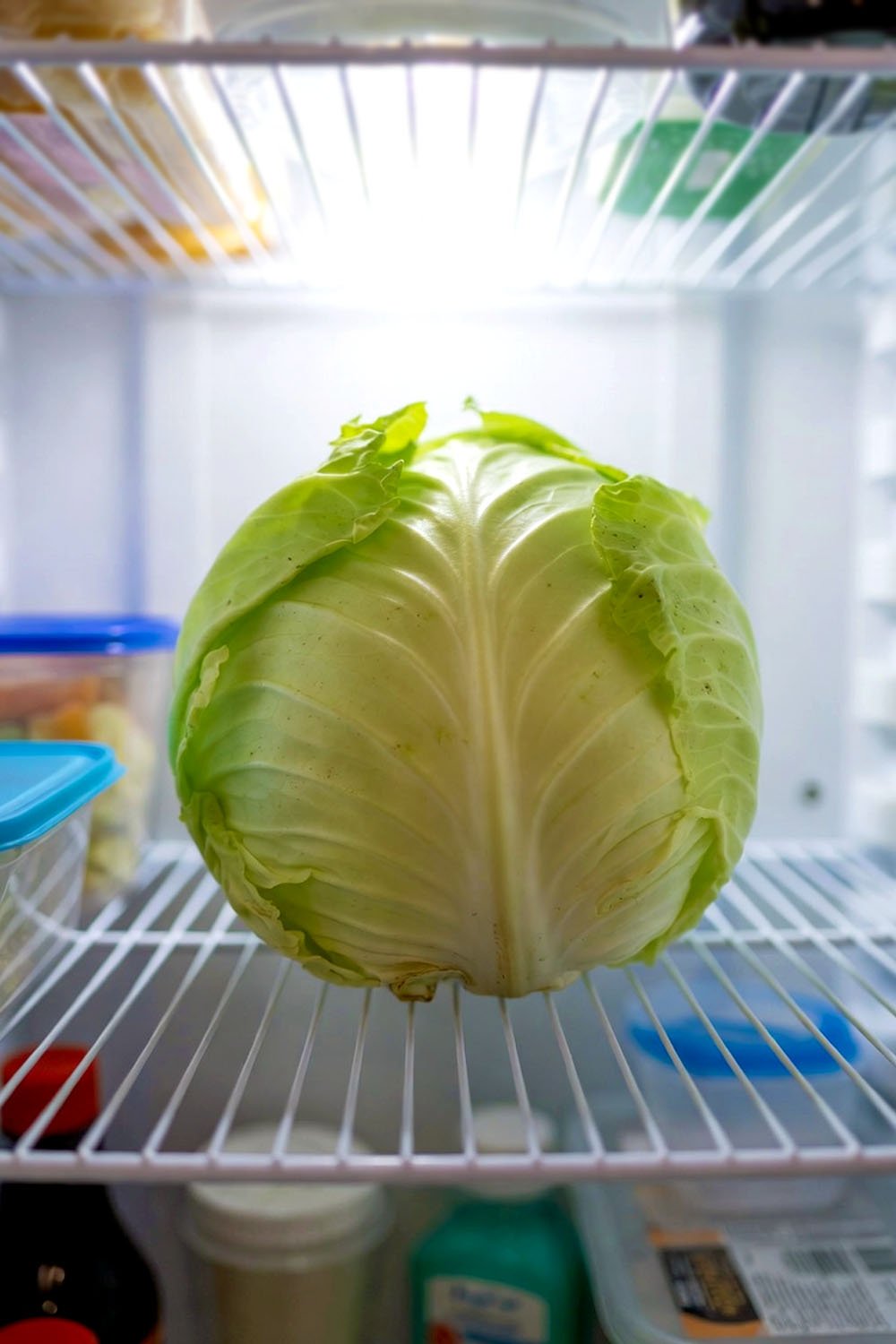
You know that feeling when you buy a cabbage and hope it lasts forever? Well, a whole head can surprise you with its staying power. If you store it right in the crisper drawer, wrapped loosely in a plastic bag, it often lasts 3 to 6 weeks without any trouble. Some folks even push it to two months if the fridge stays cold enough around 32 to 40 degrees Fahrenheit. The key is keeping it away from too much moisture or ethylene from fruits like apples. This way, you get that crisp texture for weeks.
Different types play a role too. Green or red cabbage holds up the best because of their tight leaves. Savoy or Napa cabbage doesn’t last as long, maybe just 1 to 2 weeks, since their leaves are looser and more delicate. Always check for freshness when buying, pick heavy ones with crisp leaves. That small effort pays off big time when you’re cooking later.
Once you cut into it, things change fast. The cut side dries out quicker, so wrap it tight right away. But even then, aim to use it sooner rather than later. Cabbage is forgiving, but proper storage makes all the difference in keeping that fresh crunch.
Don’t forget to avoid washing it until you’re ready to use. Extra water speeds up spoilage. Just pop it in the fridge as is, and you’ll enjoy it longer. It’s such a relief knowing your veggie drawer hero lasts this long.
- Whole green/red cabbage: 3-8 weeks
- Savoy/Napa: 1-2 weeks
- Keep in crisper, unwashed
- Wrap loosely in plastic
How to Store Cabbage the Right Way for Maximum Freshness
Pick the Freshest Cabbage Every Time
When you’re at the store, always go for cabbage that feels heavy for its size. That weight means it’s full of moisture and will stay crisp longer in your fridge. Look at the leaves, they should be tightly packed with no big wilting or soft spots. Avoid any with brown edges or bruises because those spots spread fast once home. Fresh cabbage gives you that sweet, mild smell instead of anything off. Taking a minute to choose well means less waste and better meals later. It’s like giving your future self a little gift.
Green and red varieties are the champs for longevity, so grab those if you want something that lasts. Savoy has those pretty crinkly leaves but goes softer quicker. Napa is great for quick Asian dishes but needs using soon. Feel the stem end too, it shouldn’t be slimy or dried out. Good picks set you up for success right from the start.
Once home, don’t rush to wash it. Moisture from washing invites bacteria, so save that step for when you cook. Just place it straight into the fridge. This simple habit can add weeks to its life. You’ll feel good knowing you’re making smart choices that save money too.
Think about your fridge space. Put cabbage in the crisper drawer where humidity is higher and temps stay steady. Avoid the door shelves since they fluctuate too much. Small details like this keep your cabbage happy and ready when you need it.
- Choose heavy, firm heads
- Check for crisp, tight leaves
- Skip bruised or wilted ones
- Buy green/red for longest life
Store Whole Cabbage Like a Pro
For a whole head, the best spot is your crisper drawer. Pop it in a perforated plastic bag or just a regular one left a bit open so it breathes. This keeps humidity right without trapping too much moisture that causes rot. Don’t seal it super tight or it might get slimy. Aim for that cool 32 to 40 degree zone in the back of the fridge for best results.
Some people wrap it in a damp paper towel before bagging, but honestly, plain works fine most times. The goal is to prevent drying out while letting a little air flow. Check it every week or so, peel off any outer leaves that start looking tired. Those outer ones protect the inside, so removing them freshens things up.
If your fridge runs dry, a loose bag helps hold in natural moisture. Cabbage loves that balance. You’ll notice it stays firm and crunchy way longer this way. It’s satisfying to pull out a still-perfect head weeks later for coleslaw or soup.
Avoid storing near fruits like apples or bananas. They give off ethylene gas that speeds ripening and spoilage. Keep cabbage away from those and it rewards you with extra time. Simple separation makes a big difference in your kitchen.
- Use crisper drawer
- Perforated or loose plastic bag
- Check weekly, remove bad leaves
- Keep away from ethylene producers
Handle Cut Cabbage Without Losing Crispness
Once you cut that head, things speed up. Wrap the cut side tightly with plastic wrap or put it in an airtight container right away. This stops air from hitting the exposed part and causing browning or drying. Push out as much air as possible from the bag or container. Store it in the coldest back part of the fridge, not the door.
Cut cabbage usually lasts 2 to 3 days at best before it softens. If you shred it, same deal, use within 2 to 3 days for peak crunch. Airtight is key here to slow oxidation. Some add a damp paper towel on top to trap moisture without sogginess.
If you notice slight browning on cut edges, just trim it off. The inside is often still good. But if it gets mushy or smells sour, toss it. Quick use after cutting keeps waste low and flavor high.
Plan meals around that partial head. Make slaw one day, stir-fry the next. It’s motivating to use it up fast and enjoy every bit fresh.
- Wrap cut side tightly
- Airtight container or bag
- Use in 2-3 days
- Trim minor browning
Spot Signs That Cabbage Has Gone Bad
Your nose knows first with cabbage. If it smells sour, rotten, or super strong like sulfur gone wrong, it’s done. Fresh cabbage has a mild scent, even if a bit earthy. Off odors mean bacteria are at work, so don’t risk it.
Look at the texture next. Firm and crisp is good. If leaves feel soft, mushy, or slimy, especially inside, throw it out. Wilting outer leaves are normal, peel them away. But if the whole head is limp, it’s past saving.
Check for discoloration too. Lots of brown, black, or gray spots through multiple layers signal trouble. A little on outer leaves is okay to remove. Mold is a clear no, fuzzy or powdery spots mean toss the whole thing.
Taste a tiny bit if unsure, but honestly, sight and smell usually tell you enough. Trust your senses, better safe than sorry. Spotting issues early saves you from bad meals.
- Bad smell: sour or rotten
- Mushy or slimy texture
- Heavy discoloration or mold
- Peel outer if minor issues
Can You Freeze Cabbage to Make It Last Even Longer?
Freezing changes the texture a bit, but it’s great for cooked dishes later. For raw, blanch first by boiling wedges 90 seconds then ice bath. Dry well, freeze on a sheet, then bag it up. It lasts 9 to 12 months this way. Great for soups or stews where crunch isn’t needed.
If you skip blanching, it gets mushier when thawed. Still usable in cooked recipes though. Portion it out so you grab just what you need. Label with dates to track.
Frozen cabbage saves big when you have extras. It’s a lifesaver for busy weeks. Thaw in the fridge overnight for best results.
Cooked cabbage freezes even easier. Cool it first, then airtight containers. Use within 3 to 5 months for good flavor. This way, no waste at all.
- Blanch raw for best quality
- Freeze in portions
- Use in cooked dishes
- Lasts up to 12 months
Final Thoughts
Cabbage is such a budget-friendly, versatile buddy in the kitchen. With these simple storage steps, you can enjoy it fresh for weeks instead of days. Don’t let it hide in the back of the fridge forgotten. Check it regularly, use what you cut quickly, and freeze extras. You’ll save money, eat healthier, and feel good about less waste. Next time you buy one, you’ll be ready to make it last. Happy cooking, friend!
| Storage Type | How to Store | How Long It Lasts | Best Tips |
|---|---|---|---|
| Whole Head | Loose plastic bag in crisper | 3-8 weeks | Unwashed, cool spot |
| Cut/Partial Head | Tight wrap or airtight container | 2-3 days | Minimize air exposure |
| Shredded | Airtight bag/container | 2-3 days | Use damp towel if needed |
| Cooked Cabbage | Airtight container | 3-5 days | Cool quickly before storing |
| Frozen (Blanched) | Freezer bags after blanching | 9-12 months | Portion for easy use |
| Napa/Savoy | Perforated bag in crisper | 1-2 weeks | Use sooner due to loose leaves |
Frequently Asked Questions (FAQs)
Is it safe to eat cabbage if the outer leaves are wilted?
Yes, totally safe most times. Those outer leaves protect the inside, so just peel them off until you hit crisp ones. The heart of the cabbage usually stays fresh and good to eat. If the inside looks and smells fine, go ahead and use it. This trick saves so much from going to waste. Just give it a quick rinse after peeling. You’ll be surprised how much is still perfect underneath.
Can I store cabbage without plastic to make it more eco-friendly?
Sure, you can try beeswax wraps or reusable containers instead of plastic bags. The key is keeping humidity balanced so it doesn’t dry out or get too wet. A damp cloth in the container helps sometimes. It might not last quite as long as plastic, maybe a few weeks less, but it’s better for the planet. Experiment and see what works in your fridge. Small swaps add up over time.
Do I need to wash cabbage before storing it in the fridge?
No, please don’t. Washing adds extra moisture that speeds up spoilage. Keep it dry and unwashed until right before you use it. If there’s dirt, wipe it gently with a cloth. This simple habit extends shelf life a lot. When ready to cook, rinse under cool water then pat dry. Your cabbage thanks you by staying crisp longer.
Is cabbage still good if it smells a little strong?
A mild cabbage smell is normal, even a bit sulfur-like when fresh. But if it’s sour, rotten, or really off-putting, toss it. Trust your nose here. Strong bad odors mean it’s starting to go bad inside. Better to be safe and avoid tummy troubles. Fresh ones have that clean, earthy scent only.
Can you bring wilted cabbage back to life?
Sometimes yes! If it’s just a bit limp, soak leaves in ice water for 30 minutes to an hour. They often perk right up and get crisp again. Works great for outer leaves or cut pieces. Drain and dry well after. If it’s super mushy though, no saving it. This trick saves many salads and sides.
Do different cabbage types last the same time?
Nope, they vary. Green and red cabbage win with 3 to 8 weeks when stored well. Napa and Savoy are more delicate, usually 1 to 2 weeks max. Their looser leaves lose moisture faster. Pick based on when you plan to use it. Green is your go-to for longest fridge life.
Is it okay to cut off bad spots and still use the rest?
Yes, if it’s just a small area. Cut away any moldy or slimy parts generously, plus a bit around them. If the rest smells and feels fine, it’s usually okay. But if bad spots are widespread or deep, better to toss the whole thing. Safety first, always check the smell and texture after trimming.
Can I store cabbage next to fruits in the fridge?
Better not. Fruits like apples, bananas give off ethylene gas that makes veggies age faster. Keep cabbage in its own spot away from those. It lasts way longer without that gas speeding things up. Small fridge organization tip that makes a real difference.
