
As an Amazon Associate, I earn from qualifying purchases at no extra cost to you.
How Long Does Coleslaw Last in the Refrigerator? The Truth!

Why not dig into that leftover coleslaw from the weekend barbecue and wonder if it’s still good? I remember tossing a big batch after just a couple days because it looked a bit sad, but honestly, most folks keep it way longer without issues. Coleslaw is that crunchy, creamy side we all love with fried chicken or burgers, yet it doesn’t hang around forever in the fridge. Knowing the real timeline helps avoid waste and keeps things safe and tasty for you and your family.
How Long Does Coleslaw Really Last in the Fridge?
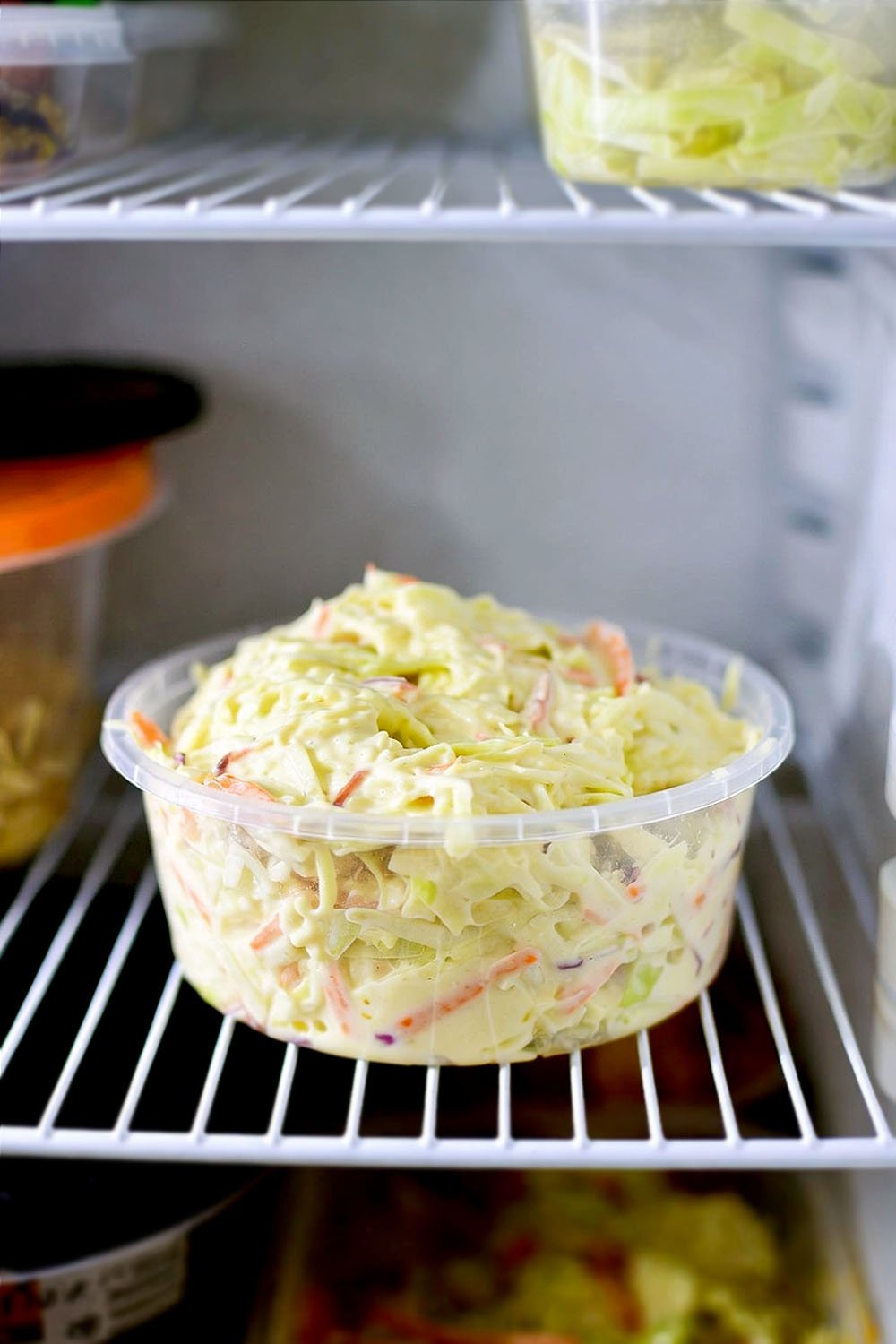
You know that feeling when you open the fridge and spot the coleslaw container hiding in the back? Most homemade versions stick around for about 3 to 5 days if you store them right. That’s the sweet spot where it stays crisp and flavorful without turning weird. Store-bought ones might push a bit longer thanks to preservatives, often up to 5 to 7 days unopened, but once you crack it open, treat it like homemade and aim for 3 to 5 days max. The key is your fridge staying cold, around 40°F or below, because warmer spots speed up spoilage fast.
Different dressings make a difference too. Mayo-based coleslaw tends to go off quicker since mayo can invite bacteria if things get iffy. Vinegar-based ones hold up better, sometimes giving you an extra day or two of that nice tang. Always use an airtight container to keep air out, as exposure makes the cabbage wilt and invites trouble. If you left it out too long at room temp during a picnic, cut that fridge life short right away.
Don’t push past the signs your nose and eyes give you. A sour smell or slimy feel means it’s time to say goodbye, no matter the date. Fresh coleslaw should smell tangy and look bright, not dull or watery. Sticking to these basics keeps you from any tummy troubles and lets you enjoy every bite without worry.
Proper storage really changes everything. Pop it in the coldest part of your fridge, like the back shelf, and label the date you made or opened it. That little reminder helps you stay on top of it so nothing gets forgotten and wasted.
- Store in airtight container right away.
- Keep fridge at 40°F or colder.
- Check for off smells, sliminess, or color changes.
- Use vinegar-based for longer life if possible.
What Affects How Long Your Coleslaw Stays Fresh?
You might think all coleslaw is the same, but little things change everything about its fridge life. First off, the type of dressing plays a big role in how long it lasts. Mayo-based ones are creamier and super tasty, but they spoil faster because mayo has eggs and can grow bacteria quicker in the cold. Vinegar-based dressings act like a natural preservative with their acidity, so those versions often stay good a day or two longer and keep that crisp bite better. If you’re making it at home, try switching to vinegar next time and see the difference yourself.
How fresh your ingredients start out matters a ton too. Using super fresh cabbage and carrots right from the store gives you the best shot at longer life. Old veggies already have some breakdown going on, so they wilt faster once dressed. Shredding them fresh helps, but if you buy pre-shredded bags, check they’re not already slimy at the store. Freshness from the start means you get more days of good eating without it turning watery or dull.
Storage habits make or break it every time. An airtight container is non-negotiable because air dries things out or lets bacteria sneak in. Loose lids or just covering with foil lets moisture escape and speeds spoilage. Keep it in the coldest back part of the fridge, not the door where temps swing every time you open it. Little tweaks like these add up to extra fresh days for your batch.
Temperature fluctuations hurt more than you think. If your fridge runs warm or you leave the door open a lot, bacteria grow faster even in the cold. Aim for steady cold to slow everything down. Also, how often you take it out for servings matters. Each time it warms up a bit, it shortens life, so scoop what you need quickly and get it back in fast.
- Choose vinegar dressing over mayo for extra days.
- Start with the freshest cabbage and veggies possible.
- Always use airtight containers in the coldest fridge spot.
- Minimize door openings and temp changes.
Signs That Your Coleslaw Has Gone Bad
Spotting bad coleslaw saves you from a rough stomach later. The first thing to check is the smell. Fresh stuff has that nice tangy, slightly sweet aroma from the dressing and veggies. If it hits you with a sour, funky, or off odor like old milk or something rotten, toss it right away. Your nose knows best here, so trust that instinct every time.
Look at the texture next because it tells a story quick. Good coleslaw stays crisp and crunchy with separate shreds. When it goes bad, it gets slimy, mushy, or super watery as the cabbage releases more liquid. That sliminess comes from bacteria breaking things down, and it’s a clear no-go. If the whole mix looks separated or drowned in extra dressing liquid, it’s past its prime.
Color changes are another big red flag. Bright green cabbage and orange carrots should stay vibrant. If you see browning, gray spots, dark edges, or any mold fuzz, don’t risk it. Mold means spores are growing, and even if it’s just a little, the whole batch could be affected. Discoloration often starts small but spreads fast in the moist environment.
Taste a tiny bit if you’re unsure after checking the others, but honestly, if smell or look is off, skip tasting. A super sour or bitter flavor beyond normal tang means spoilage. Better safe than sorry, especially with mayo versions. Always err on tossing if something feels wrong.
- Sour or funky smell instead of tangy.
- Slimy, mushy, or overly watery texture.
- Browning, graying, or mold spots.
- Off taste like bitterness or extreme sourness.
How to Store Coleslaw Properly to Make It Last Longer
Storing coleslaw right keeps it fresh and tasty for as long as possible. Start with an airtight container every single time. Glass jars or plastic ones with tight lids work great because they block air and stop drying or extra moisture issues. Avoid just covering the bowl with plastic wrap since it doesn’t seal well and lets things spoil quicker.
Keep it in the coldest spot in your fridge, usually the back middle shelf where temps stay steady. The door swings open too much and warms up, so never store there. Label the container with the date you made or opened it so you don’t guess later. A quick note helps you remember and use it before it turns.
For homemade, consider keeping veggies and dressing separate until serving if you want max crunch. Mix only what you’ll eat soon, and store the rest undressed. Shredded cabbage holds up longer plain, and you get that fresh snap each time. Vinegar dressings help here too since they preserve better than creamy ones.
Don’t let it sit out long after meals. Get leftovers back in the fridge within two hours max to avoid the danger zone where bacteria love to grow. Stir it occasionally if it sits a while so dressing redistributes evenly. These small habits stretch your batch and cut waste.
- Use airtight containers always.
- Store in coldest fridge area.
- Label with dates for easy tracking.
- Keep dressing separate for longer crunch if possible.
Can You Freeze Coleslaw? And Other Tips
You can freeze coleslaw, but it changes things a lot. The texture gets mushy after thawing because cabbage is full of water that forms ice crystals and breaks down the crunch. Mayo-based ones separate badly too, turning watery and gross. If you must freeze, go for vinegar-based without much mayo, portion it out, and thaw in the fridge slowly. Use within a month for best results, but honestly, fresh is way better.
Other tips help stretch it without freezing. Make smaller batches so you finish before it goes off. Add fresh veggies like extra carrots right before eating to revive it a bit. Or turn oldish coleslaw into something new, like mixing into tuna salad or topping sandwiches. Creativity saves food and keeps meals exciting.
Always prioritize safety over saving a bit. If in doubt, throw it out to avoid any risk. Your health matters more than a few servings.
- Freezing works but ruins texture mostly.
- Make smaller batches to avoid waste.
- Repurpose leftovers creatively.
- Always choose safety first.
Final Thoughts
There you go, friend – coleslaw usually gives you 3 to 5 solid days in the fridge when stored right. Pay attention to smells, looks, and feel, use good containers, and keep that fridge cold. You’ll waste less and enjoy more fresh bites. Next barbecue, make a batch knowing exactly how to keep it yummy. You’ve got this!
| Type of Coleslaw | Fridge Life (Homemade) | Fridge Life (Store-Bought) | Best Storage Tip | Signs to Toss It |
|---|---|---|---|---|
| Mayo-Based | 3-5 days | 3-5 days after opening | Airtight container, cold spot | Sour smell, slimy texture |
| Vinegar-Based | 4-7 days | Up to 7 days unopened | Separate dressing if possible | Off odor, watery look |
| Store Deli (Opened) | 3-5 days | 5-7 days unopened | Check expiration + date opened | Mold spots, discoloration |
| Homemade Fresh Made | 3-5 days | N/A | Label date, back of fridge | Mushy feel, funky smell |
| With Preservatives | N/A | 5-7+ days unopened | Follow package instructions | Any visible mold or sliminess |
| Left Out Too Long | Shortened life | Shortened life | Refrigerate within 2 hours | Bacterial risk signs |
Frequently Asked Questions (FAQs)
Is it safe to eat coleslaw after 5 days in the fridge?
It depends on how it looks, smells, and feels. Many say 3 to 5 days is the safe zone for homemade or opened store-bought, but if it still smells fresh, looks bright, and has no sliminess, some folks eat it up to a week. When in doubt, toss it to stay safe from bacteria. Always trust your senses over the clock.
Can I make coleslaw ahead and store it for a party?
Yes, go ahead and make it a day or two before. It often tastes better after flavors meld overnight. Store in an airtight container in the coldest fridge spot. For best crunch, mix dressing in right before serving if possible. Just check it before the party for any off signs.
Do I need to refrigerate coleslaw right after serving?
Absolutely, get it back in the fridge within two hours. Leaving it out longer lets bacteria grow fast in the danger zone. Cover it well during serving, but don’t let it sit forever. Quick chilling keeps it safe and tasty for leftovers.
Is coleslaw still good if it smells a bit sour?
A light tang is normal from vinegar or dressing, but strong sour or off smells mean spoilage. If it’s funky like old dairy or rotten veggies, throw it away. Better to be safe than deal with upset stomach later.
Can you freeze coleslaw to make it last longer?
You can, but the texture suffers big time. Cabbage gets mushy from ice crystals, and mayo separates. Vinegar types freeze better, but thaw slowly in fridge and use soon. Fresh is always best, so freeze only if you have to.
How do I know if store-bought coleslaw is bad after opening?
Check for sour smells, sliminess, mold, or color changes like browning. Follow the package date, but once opened, aim for 3 to 5 days. If anything seems off, don’t eat it. Preservatives help, but they don’t last forever.
Do vinegar-based coleslaws last longer than mayo ones?
Yes, usually they do. Vinegar’s acidity slows bacteria better than mayo, which can spoil quicker. Many vinegar slaws stay good 4 to 7 days or more if stored right. They keep crunch longer too without getting as watery.
Is it okay to eat coleslaw if it looks watery but smells fine?
Watery means the cabbage released moisture, often from age or poor storage. It might still be safe if no bad smell or sliminess, but texture suffers. Drain it and taste a bit. If off at all, toss to be careful.
Can I revive old coleslaw to make it taste fresh again?
Sometimes yes, drain extra water, add fresh shredded carrots or a splash of vinegar for tang. Mix well and chill. It won’t be perfect, but it perks up a little. If it’s really bad, better to start new.
Do I have to throw coleslaw away if there’s a tiny bit of mold?
Yes, toss the whole thing. Mold spores spread even if you can’t see them all. Don’t scrape it off and eat the rest, as it could make you sick. Safety first with any moldy food.
