
As an Amazon Associate, I earn from qualifying purchases at no extra cost to you.
How Long Does Lasagna Last in the Refrigerator? Expert Guide

During a busy weekend, you spent hours layering that perfect lasagna with rich sauce, gooey cheese, and tender noodles. It came out amazing, but now leftovers sit in the fridge, and you’re wondering if they’re still safe to eat. Many folks face this after family dinners or big batches. The good news is, with proper storage, your lasagna can stay tasty and safe for several days. Let’s dive into everything you need to know so you enjoy every bite without worry.
How Long Does Lasagna Really Last in the Fridge?
Most experts agree that cooked lasagna stays good in the refrigerator for 3 to 5 days when stored right. This comes from food safety guidelines like those from USDA sources. The clock starts once your lasagna cools down after baking. You want to get it into the fridge within two hours to stop bacteria from growing fast.
Factors like ingredients play a big role here. Meat-based versions with beef or sausage often last closer to 3-4 days because meat spoils quicker. Vegetarian ones with lots of veggies and cheese might stretch to 5 days. Dairy items like ricotta and mozzarella add richness but also speed up spoilage if not handled well.
Proper cooling matters a ton too. Let it reach room temperature first, then cover it tightly. This keeps moisture out and prevents weird smells from other fridge foods sneaking in. Always use an airtight container or wrap the dish well to maintain that fresh flavor.
If you’re unsure, trust your senses over the calendar. A quick check for off smells, slimy texture, or mold tells you more than days on the clock. When in doubt, it’s better to toss it and make a fresh batch. Your tummy will thank you later.
- Store in airtight containers
- Cool before refrigerating
- Eat within 3-5 days
- Check for spoilage signs
How to Store Lasagna Properly in the Refrigerator
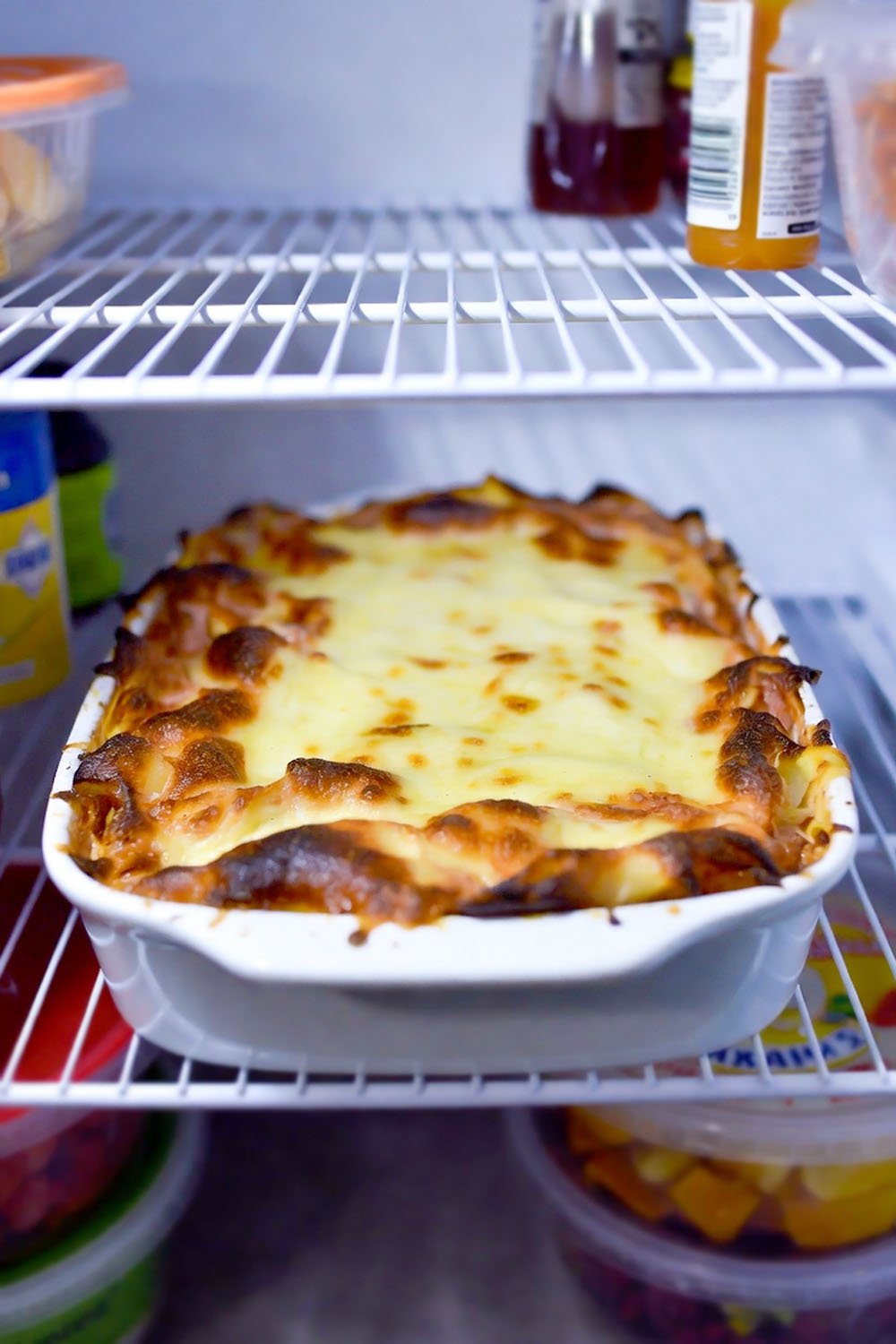
First, always cool your lasagna completely before putting it away. Hot food in the fridge raises the temperature inside, which lets bacteria grow faster in other items too. Spread it out on the counter for about an hour or so until it’s no longer steaming. This simple step makes a huge difference in how long it stays fresh and tasty.
Next, choose the right container. Airtight ones work best, like glass dishes with tight lids or plastic containers that seal well. Avoid just covering with foil or plastic wrap loosely because condensation builds up and makes the top soggy or encourages mold. Portion it into smaller servings if you like. That way, you only reheat what you need and keep the rest sealed longer.
Place it in the coldest part of your fridge, usually the back middle shelf. The door gets warmer every time you open it, so avoid that spot. Keep the temperature at 40°F or below. If your fridge runs warmer, the lasagna won’t last as long. Label it with the date you made it so you remember when to eat it by.
Finally, don’t overstuff the fridge around it. Good air circulation helps keep everything cold evenly. If you follow these habits, your lasagna holds its flavor and texture much better. You’ll get to enjoy those comforting layers without any disappointment.
- Cool completely first
- Use airtight containers
- Store in coldest spot
- Label with date
Signs That Your Lasagna Has Gone Bad
Look at the surface first. If you see any fuzzy mold spots, even small ones, throw it out right away. Mold can spread deep into the layers where you can’t see it, and it’s not worth the risk. Discoloration like dark or gray patches on the cheese or sauce is another red flag that means it’s time to say goodbye.
Smell is your best friend here. Fresh lasagna has that yummy tomato, herb, and cheesy aroma. If it smells sour, off, or like ammonia, don’t eat it. That funky odor comes from bacteria breaking things down. Even if it looks okay, a bad smell means it’s spoiled.
Check the texture too. Noodles getting slimy or extra mushy, sauce separating with weird liquid, or cheese turning rubbery are all signs of spoilage. Sometimes the whole thing dries out on top while staying wet underneath, which isn’t good either. Trust what your eyes, nose, and fingers tell you.
When you spot any of these, better safe than sorry. Food poisoning isn’t fun, and lasagna isn’t worth feeling sick over. Toss it, clean the container well, and plan your next batch. You’ll feel good knowing you protected your health.
- Mold or fuzzy spots
- Sour or off smell
- Slimy or mushy texture
- Discoloration or separation
Tips to Make Lasagna Last Longer in the Fridge
Portion it out right after cooling. Cut into individual servings and store them separately. This stops you from exposing the whole dish every time you grab a piece. Less air gets in, and it stays fresher longer. Plus, it’s super convenient for quick meals during busy days.
Add a little extra sauce on top before storing if it looks dry. That helps keep things moist without making it soggy. Some folks sprinkle a bit of cheese too for extra protection. Just don’t overdo it, or you’ll end up with a watery mess when reheating.
Reheat only what you need each time. Microwaving the whole thing repeatedly dries it out and shortens life. Use the oven for better results, covering with foil and adding a splash of water or sauce. It revives that just-baked feel nicely.
Rotate your fridge stock too. Put newer stuff in the back and older in front. This reminds you to eat the lasagna before it hits the danger zone. Small habits like these add up and save you from wasting food. You’ll waste less and enjoy more.
- Portion into servings
- Add extra sauce if needed
- Reheat small amounts
- Rotate fridge items
Can You Freeze Lasagna to Keep It Longer?
Yes, freezing is a great way to extend its life way beyond fridge days. Cooked lasagna freezes well for 2 to 3 months with good quality. Wrap it tightly in plastic wrap, then foil, or use freezer bags to prevent freezer burn. That keeps the flavors locked in and texture decent.
Thaw it in the fridge overnight for best results. Don’t thaw on the counter because that lets bacteria grow in the danger zone. Once thawed, eat it within 3-4 days. You can even reheat straight from frozen in the oven, just add more time and cover it.
Freezing works for assembled uncooked lasagna too. Layer it up, cover tightly, and freeze. Bake it later from frozen or thaw first. Either way, it’s handy for meal prep. The sauce helps keep things from drying out too much.
Overall, freezing gives you flexibility. Make a big batch, enjoy some now, save the rest. Your future self will love pulling out a ready meal on a hectic night. It’s comforting to know good food waits for you.
- Freeze up to 3 months
- Wrap tightly
- Thaw in fridge
- Reheat covered
Final Thoughts
Lasagna is such a cozy, crowd-pleasing dish, and it’s sad to waste any of it. By storing it properly in airtight containers, cooling it first, and checking for spoilage signs, you can safely enjoy it for 3-5 days in the fridge. Freezing extends that joy even more. Trust your senses, eat it soon, and savor those flavors. You’ve got this, friend – no more guessing games with your leftovers!
| Storage Method | Duration | Best Tips | Signs to Toss It |
|---|---|---|---|
| Refrigerator (Cooked) | 3-5 days | Airtight container, back of fridge | Mold, sour smell, slimy texture |
| Freezer (Cooked) | 2-3 months | Wrap tightly in plastic + foil | Freezer burn, off odor after thaw |
| Refrigerator (Uncooked Assembled) | Up to 24 hours | Cover well, bake soon | Any off smell before baking |
| Freezer (Uncooked) | Up to 3 months | Freeze before baking | Texture changes if not wrapped right |
| After Thawing Frozen | 3-4 days | Thaw in fridge only | Same as fresh leftovers |
| Reheated Leftovers | 3-4 days again | Reheat thoroughly | Repeated reheating dries it out |
Frequently Asked Questions (FAQs)
Is it safe to eat lasagna left out overnight?
No, don’t risk it. If lasagna sits at room temperature for more than two hours, bacteria grow fast in the meat, cheese, and sauce. The danger zone is between 40°F and 140°F where bugs multiply quickly. Even if it looks fine, it could make you sick. Always refrigerate within two hours after cooking. Better to be safe and toss it if you’re unsure. Your health comes first every time.
Can I store lasagna in the baking dish in the fridge?
Yes, but cover it tightly. Use plastic wrap pressed right on the surface, then foil or a lid. This stops condensation and keeps odors out. Glass or ceramic dishes work great for this. Just make sure it’s cooled first. If the dish is too big for your fridge, portion it out. This way it stays fresh longer without taking up too much space.
Do I need to reheat lasagna to 165°F?
Yes, for safety, especially with meat. Heat it until the internal temperature hits 165°F to kill any bacteria. Use a food thermometer to check. In the oven, cover with foil and bake at 350°F until hot and bubbly. Microwave works too, but stir and check spots. Proper reheating keeps it tasty and safe. Don’t skip this step with leftovers.
Is vegetarian lasagna safe longer in the fridge?
It often lasts a bit longer, up to 5 days. Without meat, there’s less risk of quick spoilage from bacteria in proteins. Veggies and cheese still have limits though. Dairy can grow mold or go sour. Store it the same way, airtight and cold. Always check for off smells or looks. Enjoy it fresh, but don’t push past signs it’s going bad.
Can lasagna cause food poisoning if stored wrong?
Yes, if not refrigerated soon enough or kept too long. Bacteria like Listeria or Salmonella thrive in creamy, meaty dishes. Symptoms include nausea, vomiting, and cramps. That’s why guidelines say 3-5 days max. Cool fast, store cold, reheat hot. Play it safe so you can enjoy without worry. Nobody wants a ruined day from bad leftovers.
Do I cover lasagna tightly or loosely in the fridge?
Cover it tightly. Loose covering lets air in, dries it out, or lets moisture build up. Use airtight containers or wrap well. This keeps texture and flavor better. Plastic wrap directly on top plus foil works if no lid. Good sealing makes a big difference in how long it tastes great.
Is it okay to freeze lasagna with ricotta cheese?
Yes, ricotta freezes fine in lasagna. The layers hold up well because of the sauce. It might be a tad watery after thawing, but taste stays good. Wrap tightly to avoid freezer burn. Thaw slowly in fridge. Reheat with extra sauce if needed. Many people freeze whole pans successfully for months.
Can I eat lasagna after 7 days in the fridge?
Not recommended. Most sources say 3-5 days max for safety. After that, quality drops fast, and bacteria risk goes up. Even if it smells okay, texture and taste suffer. When in doubt, toss it. Make a fresh one or freeze portions next time. Better safe and enjoying good food than sorry.
Do leftovers last longer if I reheat them first?
No, reheating doesn’t reset the clock fully. It kills some bacteria, but survivors can still grow. Eat reheated leftovers within 3-4 days again. Repeated heating dries it out too. Best to plan portions so you don’t reheat multiple times. Fresh is always best, but proper storage helps stretch it.
How do I know if frozen lasagna is still good?
Check for freezer burn like dry spots or off colors. After thawing, smell it – no sour or weird odors. Look for mold or sliminess. If it passed the thaw test and reheats to bubbly hot, it’s likely fine. But if anything seems off, don’t eat it. Trust your senses for frozen foods too.
