
As an Amazon Associate, I earn from qualifying purchases at no extra cost to you.
How Long Does Yogurt Last in the Refrigerator? Storage Tips!

Totally remember that moment when you open the fridge, spot that half-eaten tub of yogurt from last week, and wonder if it’s still okay to eat. We’ve all been there, staring at the date, sniffing it nervously, hoping it won’t make us regret breakfast. Yogurt seems tough because of its tangy nature, but it does have limits in the fridge. Knowing the real timeline helps you enjoy it safely without wasting food or risking a tummy ache.
How Long Can You Really Keep Yogurt in the Fridge Before It Goes Bad?
Yogurt hangs around longer than you might think when stored right. Most folks follow the “best by” date on the package, but that’s more about peak taste than strict safety. Unopened yogurt often stays good for one to two weeks past that date if your fridge stays cold, around 40°F or below. The live cultures keep helping preserve it a bit. But once you crack it open, things change faster because air and spoons introduce new stuff.
Opened yogurt usually lasts about 7 to 10 days at its best. Some sources say up to two weeks if you handle it carefully. Greek yogurt might edge out a little longer thanks to lower moisture and higher acidity. Regular kinds with fruit or flavors can spoil quicker because extra sugars feed bad bacteria. Always trust your senses over the calendar. If it smells off or looks weird, better to toss it than take chances.
The fridge temp matters a ton here. Door shelves fluctuate more, so yogurt spoils faster there. Keep it in the back middle shelf for steady cold. Using clean spoons every time cuts down on contamination too. That small habit can add extra days to its life. When in doubt, remember food safety folks say err on the safe side.
Proper handling makes all the difference. Scoop what you need into a bowl instead of eating straight from the tub. Seal the lid tight right after. These little steps keep mold and weird bacteria away longer. Yogurt’s acidity fights off many bad guys, but it can’t win forever.
- Unopened: 1-2 weeks past best-by date.
- Opened: 7-10 days best, up to 2 weeks safe if no spoilage signs.
- Store in coldest part of fridge.
- Use clean utensils always.
How to Tell If Your Yogurt Has Gone Bad and When to Toss It
Spotting bad yogurt saves you from nasty surprises. First, check the look. Fresh yogurt stays smooth and creamy. If you see mold spots, even tiny green, white, or pink ones, throw the whole thing out right away. Mold means trouble spreads fast. Also watch for big separation with tons of watery liquid on top. A little whey is normal, especially in Greek types, but excessive means it’s breaking down.
Next, give it a good sniff. Good yogurt has that nice tangy smell from the cultures. If it smells super sour in a bad way, like rotten or yeasty, or just off and funky, don’t eat it. Your nose knows best here. Taste can confirm too, but only a tiny bit if everything else seems okay. Bitter, overly sharp, or weird flavors mean stop.
Texture tells a story as well. Lumpy, chunky, or curdled spots beyond normal thickness signal spoilage. It should feel thick and even. Slimy or stringy feel is a big no. Bloated containers or hissing when opened point to gas from bad fermentation. Don’t risk it.
Always remember safety first. Even if it looks and smells fine but sits way past two weeks opened, better safe than sorry. Vulnerable folks like kids, elderly, or pregnant should be extra careful. These signs help you decide quick.
- Mold anywhere: toss immediately.
- Bad smell: throw it out.
- Weird texture or lumps: don’t eat.
- Bloated package: spoilage likely.
Best Ways to Store Yogurt Properly So It Lasts Longer
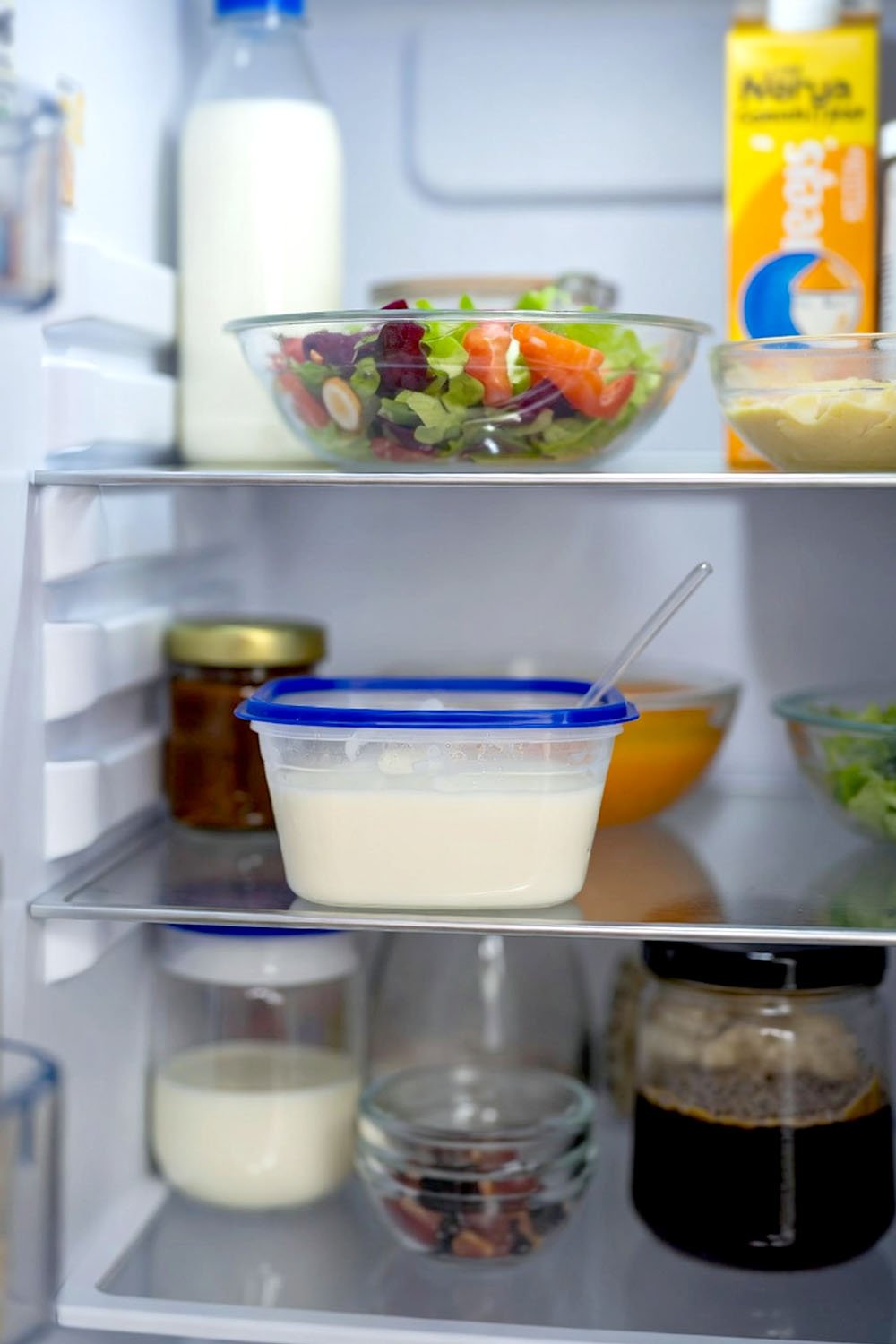
Storing yogurt right keeps it fresh way longer. Start with fridge placement. Put it in the back middle or bottom shelf where temp stays steady cold. Avoid the door completely. Every time you open the fridge, door temps swing up, speeding spoilage. That simple switch can add days.
Keep the container sealed tight every time. Original lid works great, or transfer to airtight if needed. Air exposure lets bad stuff grow faster. Never leave it out more than two hours, or one hour if room is hot. Bacteria love that warm window.
Use clean spoons always. Dipping a used one brings in mouth bacteria or other germs. Scoop into a separate bowl for eating. This cuts contamination big time. If you buy big tubs, portion some into smaller clean jars for easy grab-and-go.
Check your fridge temp too. Aim for 35-40°F. Use a thermometer if unsure. Consistent cold preserves those good probiotics longer. These habits make yogurt stay tasty and safe.
- Back of fridge, not door.
- Tight seal after each use.
- Clean utensils only.
- Quick back to fridge.
What to Do with Yogurt That’s Getting Close to Going Bad
When yogurt nears its end, get creative instead of tossing. Use it in baking like muffins or pancakes where heat kills any worries. The tang adds nice flavor. Smoothies blend it well, hiding slight changes. Frozen treats work too, like popsicles with fruit.
Marinades benefit from yogurt’s tenderness on meat or veggies. Curries or dips stretch it further. Freeze portions in ice cube trays for later smoothies if texture shifts. Just thaw in fridge slowly.
Don’t freeze whole tubs often because texture gets grainy after thawing. But small amounts work for cooking. These ideas cut waste and keep things fun. Turn almost-gone yogurt into something yummy.
- Bake with it for moisture.
- Blend into smoothies.
- Use in marinades.
- Freeze small bits.
Can You Freeze Yogurt to Make It Last Even Longer?
Freezing yogurt extends life a bunch. It lasts one to two months in the freezer with decent quality. Portion into small containers or bags first. Leave headspace for expansion. Label dates so you remember.
Thaw in the fridge overnight. Texture changes, gets more watery or grainy. Stir well, or use in cooked dishes where it won’t matter. Smoothies love frozen yogurt chunks too. Greek holds up better than regular.
Avoid refreezing thawed yogurt. Quality drops fast. Freeze plain or simple flavors best. Sweetened ones separate more. This trick saves money when you buy in bulk.
- Freeze up to 2 months.
- Thaw slowly in fridge.
- Use in cooking or smoothies.
- Avoid refreezing.
Final Thoughts
You got this. Yogurt doesn’t have to be a mystery in your fridge anymore. Stick to cold storage, watch for spoilage signs, and use it within those safe windows. You’ll waste less, eat fresher, and feel good about smart choices. Next time you grab a spoon, you’ll know exactly what’s up. Enjoy that creamy goodness without worry, friend.
| Type of Yogurt | Unopened (Past Best-By) | Opened (Safe Window) | Best Storage Tips | Signs to Toss It |
|---|---|---|---|---|
| Regular Plain | 1-2 weeks | 7-10 days | Back of fridge, tight lid | Mold, bad smell, lumps |
| Greek Yogurt | 1-2 weeks+ | 7-14 days | Coldest spot, clean spoon | Excessive whey, off taste |
| Flavored/Fruit | 1 week | 5-7 days | Avoid door, seal well | Weird color, sour beyond normal |
| Homemade | 7-10 days | 3-5 days | Airtight container | Slimy texture, gas |
| Dairy-Free | 1-2 weeks | 5-10 days | Steady cold, no temp swings | Separation, funky odor |
| Frozen (Thawed) | N/A | Use soon after thaw | Portion small, thaw in fridge | Grainy after thaw, bad smell |
Frequently Asked Questions (FAQs)
Is it safe to eat yogurt after the expiration date?
Yes, often it is if unopened and stored cold. The date is usually “best by” for taste, not hard safety. Unopened can go 1-2 weeks past. Opened shortens to 7-10 days. Check smell, look, and texture always. If anything seems off, skip it to stay safe. Your senses beat the date here.
Can you eat yogurt if it has a little liquid on top?
Sure, that’s normal whey separation. Stir it back in for creaminess. It happens more in natural or Greek types. But if the liquid is excessive, smells bad, or yogurt looks curdled, toss it. Small amount is fine and even healthy.
Do I need to throw away yogurt with mold on it?
Yes, definitely toss the whole container. Mold spreads invisible roots deep inside. Even if only a spot shows, don’t scrape it off and eat the rest. Better safe than dealing with sickness.
Is Greek yogurt good longer than regular yogurt?
Usually yes, a bit. Its thicker texture and higher acidity slow spoilage. Opened Greek often lasts 7-14 days versus 7-10 for regular. Still, follow same rules: cold storage, clean use, check signs.
Can yogurt make you sick if it’s slightly past its prime?
It can, especially if bad bacteria grew. Symptoms like upset stomach or worse happen. When doubtful, throw it. Safe food habits prevent issues. Your gut thanks you.
Do I store yogurt in the fridge door or back?
Back always. Door temps change a lot with openings. Back stays steady cold. This keeps yogurt fresh longer and safer.
Is it okay to freeze yogurt for later?
Yes, freeze for 1-2 months. Portion small first. Thaw in fridge. Texture changes, so best for cooking or smoothies. Don’t refreeze thawed.
Can flavored yogurt last as long as plain?
No, usually shorter. Added sugars and fruits speed spoilage. Plain or simple lasts longer. Eat flavored quicker, within 5-7 days opened.
Do I use the same spoon for yogurt every time?
No, bad idea. Clean spoon each time avoids bringing bacteria back. Scoop to bowl instead of eating from tub.
Is homemade yogurt different in fridge life?
Yes, shorter. No preservatives, so opened lasts 3-5 days max. Store airtight, use fast. Check signs closely.
