
As an Amazon Associate, I earn from qualifying purchases at no extra cost to you.
Kenmore Refrigerator Making Noise: Fix It the Easy Way

I once went to a house where the family thought a ghost lived in their kitchen because of a loud banging. It turned out to be a loose ice tray hitting the back wall every time the motor kicked on. Most people get worried when they hear their Kenmore refrigerator making noise, but it’s usually just a tiny part that needs a quick adjustment or a little cleaning.
To fix the sound you should first pull the fridge out and vacuum the dusty coils underneath to help the motor run quietly. You then need to check if the fridge is level by rocking it gently to see if the feet need a quick twist. If the sound is inside the freezer you must look for ice hitting the fan blades and melt it with a hair dryer. You also should listen to the back area to see if a plastic drain pan is rattling against the frame. Lastly you can move around your jars and milk jugs to make sure they aren’t just vibrating against each other on the glass shelves.
Why is My Fridge Suddenly Being So Loud?
Your fridge is like a tiny car that stays running in your kitchen all day and night. It has fans, motors, and pumps that move around to keep things cold for you. Most of the time a new sound starts because a bit of dust got stuck in a fan or a shelf became loose. It doesn’t mean you need to go out and buy a whole new expensive machine today.
I find that most noises come from things vibrating that shouldn’t be touching. If the sound stops when you open the door, it's almost always the fan inside the freezer. If the noise keeps going with the door open, the problem is likely hidden underneath or in the back. A simple cleaning or a tiny piece of foam tape can usually fix the most annoying sounds in just a few minutes.
You don’t need to be a pro to find where the racket is coming from. Just use your ears and follow the sound until you find the part that’s shaking. Most fixes only require a screwdriver and a little bit of your time. Check these spots first to see if you can get back to a nice and quiet kitchen without spending any money.
- The fan motor inside the back of the freezer.
- The large cooling fan located near the floor.
- The black compressor tank at the bottom back.
- The thin water lines that feed your ice maker.
- The plastic tray that catches water underneath.
- The heavy glass shelves or the plastic door bins.
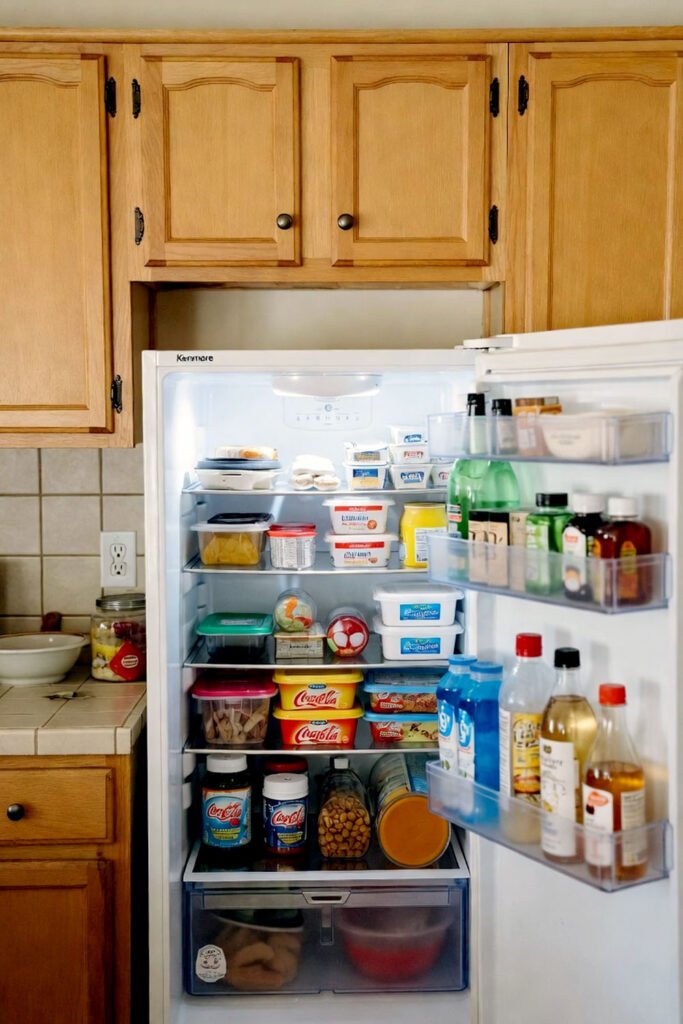
Simple Steps to Stop Your Kenmore Refrigerator Making Noise
Check the Fan Inside Your Freezer
If the noise sounds like it’s coming from inside the fridge, it’s likely the evaporator fan. This fan blows cold air around to keep your ice cream frozen. Sometimes ice builds up on the back wall and the fan blades start hitting it. This makes a fast clicking or chirping sound that gets louder when you open the freezer door.
You should take the food out and remove the back panel to see what’s going on. If you see a lot of white frost, you can melt it away with a hair dryer on a low setting. Don’t get the plastic too hot or it might warp or crack. I always tell people to check if the fan blade is loose on the metal shaft too.
If the fan still makes a high-pitched squeal after the ice is gone, the motor is likely wearing out. These motors are small and they don’t cost much to replace if you do it yourself. You just unplug the old one and snap the new one into place. It's a very satisfying fix that makes the freezer silent again almost instantly.
- Look for ice frost around the fan blades.
- Use a hair dryer to melt the ice.
- Make sure the fan blade isn’t loose.
- Listen for a squealing sound from the motor.
Clean the Dust Under the Fridge
The back of your fridge is a huge magnet for dog hair and dust bunnies. There is a fan down there called the condenser fan that keeps the motor cool. When it gets covered in thick gunk, it has to work much harder and starts to growl. This is one of the most common reasons for a noisy kitchen appliance.
You should pull the fridge away from the wall and take off the bottom cover. Use a vacuum with a long hose to suck out all the dirt you see around the fan and the coils. I once pulled a whole sock out of a fan that was making a terrible banging sound. Keeping this area clean also helps your fridge stay cold without using as much power.
If the fan is clean but still noisy, check the little rubber pieces that hold it in place. These can get dry and hard, which makes the motor vibrate against the metal frame. You can sometimes put a little bit of rubber padding there to cushion the vibration. A quiet fan means a happy compressor and a much lower electric bill for you.
- Vacuum the coils and the fan motor.
- Check for trash stuck in the blades.
- Look for worn-out rubber mounting bits.
- Make sure the fan spins without sticking.
Level the Feet on the Floor
If your fridge isn’t sitting flat, it’s going to rattle like a drum. Floors are often a little bit crooked, and that makes the fridge tilt to one side. This tilt puts pressure on the internal parts and makes them vibrate against the outer shell. It's a low humming sound that can be very annoying when the house is quiet.
You should put a level on top of the fridge to see if it's straight. If it wobbles when you push it, you need to adjust the front legs. You can usually turn them by hand or with a pair of pliers to make them taller. A solid connection with the floor stops the shaking and keeps the doors aligned.
I always suggest making the front just a tiny bit higher than the back. This trick makes the doors swing shut all by themselves so you don’t leave them open by mistake. If the fridge is rock solid on the floor, the internal motors won’t shake the whole cabinet. It's the easiest way to stop a rattle in under two minutes.
- Use a level to check the fridge top.
- Twist the front feet to stop wobbling.
- Make the front slightly higher than back.
- Check if the fridge hits the wall.
Secure the Plastic Water Tray
Underneath your fridge, there is a plastic pan that catches water during the defrost cycle. This pan usually just sits on a couple of clips or on top of the compressor. If it’s not sitting perfectly, it will dance around and hit the metal frame. This creates a buzzing sound that drives most people totally crazy.
You should reach under the fridge and see if the tray moves when you touch it. If it feels loose, try to snap it back into its plastic clips. Sometimes the clips break off over time because of the heat from the motor. If that happens, don’t worry because you can fix it with a simple piece of tape.
I like to use a little bit of heavy duct tape or a small piece of foam to keep the tray still. You just want to stop it from jumping around when the motor is running. This is a classic “hidden” noise that many repair guys charge a lot of money to fix. You can do it yourself for free with stuff you have in your junk drawer.
- Feel for a loose tray under the fridge.
- Snap the tray back into its clips.
- Use tape to stop the plastic rattling.
- Check for water sitting in the pan.
Listen to the Water Valve
If you hear a loud buzzing only when the fridge is making ice, the water valve is the problem. This valve is a little gate that opens to let water flow into the ice tray. Over time, minerals from your tap water can build up inside and make the valve struggle. This results in a loud vibrating sound that lasts for a few seconds.
You should check the plastic water tube at the back to see if it's hitting the wall. If the tube is shaking against the drywall, it will sound much louder than it actually is. You can tape the tube down or move the fridge an inch away from the wall. This simple move often stops the “hammering” sound you hear.
If the buzzing is really loud and the ice tray isn’t filling up, the valve might be dying. Replacing this part is pretty easy because it just has two wires and one water clip. Just remember to turn the water off at the wall before you unscrew anything. A new valve will be silent and give you plenty of ice for your drinks.
- Listen for buzzes during the ice fill.
- Move the water line away from the wall.
- Check for small leaks behind the fridge.
- Replace the valve if ice stops moving.
Tighten Your Shelves and Bins
Sometimes the noise isn’t a broken part at all, but just your groceries. The normal vibration of the fridge can make glass jars and plastic bins rattle against each other. I’ve been on many service calls where I just moved a bottle of pickles to fix the problem. It's funny how a small jar can sound like a big mechanical failure.
You should check if your door bins are snapped in all the way. If a bin is a little loose, it will rattle every time the compressor starts up. You can put a tiny piece of folded paper behind the bin to make it fit tighter. This kills the vibration and stops the noise without needing any real repairs.
Check the glass shelves too to see if they are sitting flat on their tracks. If a shelf is crooked, it will vibrate against the plastic side walls of the fridge. Make sure all your heavy items are spread out evenly instead of all being on one side. A balanced fridge is a much quieter fridge in the long run.
- Move glass bottles so they don’t touch.
- Make sure door bins are snapped in.
- Level out the weight on your shelves.
- Put felt pads under vibrating items.
Does a Noisy Fridge Use More Energy?
A loud fridge is usually a sign that it is working too hard to stay cold. When the fans are dirty or the motor is struggling, the fridge has to run for a much longer time. This means it is pulling more power from your wall every single hour. A noisy kenmore refrigerator making noise is often a warning that your power bill is about to go up.
Cleaning out the dust and fixing the fans helps the fridge move heat away much faster. When the heat can escape, the motor can turn off sooner and rest. You will notice that a quiet fridge doesn’t kick on nearly as often as a dirty, noisy one. Taking ten minutes to clean it can save you a good chunk of money on your electric bill.
It is always cheaper to fix a small noise now than to wait for the whole thing to break. A fan that stops spinning can cause the expensive compressor to overheat and burn out. Buying a small part today is a lot better than buying a whole new fridge next week. Your ears and your bank account will thank you for taking care of it.
- Clogged fans make the motor run longer.
- Extra heat makes the compressor work hard.
- Long run times increase your electric bill.
- Regular cleaning keeps the fridge efficient.
- Small repairs prevent big expensive breaks.
- A quiet fridge stays cold much easier.
| Part Location | Type of Noise | Easy Fix |
| Freezer Back | Clicking or Chirping | Melt ice or swap fan motor |
| Bottom Back | Grinding or Growling | Vacuum dust and pet hair |
| Front Floor | Rattling or Shaking | Twist the leveling legs |
| Water Line | Buzzing or Banging | Move tube away from the wall |
| Underneath | Light Buzzing | Tape down the plastic pan |
| Inside Fridge | Fast Rattling | Move jars and tighten bins |
Final Thoughts
You really can handle your kenmore refrigerator making noise on your own without any stress. Most of these fixes just take a little bit of cleaning or a quick adjustment with your hands. Start with the easy stuff like leveling the legs or moving your jars around before you worry about the big parts. You’ve got this, and you’ll be back to a peaceful kitchen in no time.
Frequently Asked Questions (FAQs)
Is it normal for my fridge to make a popping sound?
Yes, it’s usually just the plastic inside the fridge expanding or shrinking as the temperature changes. This happens a lot during the defrost cycle when the heater turns on. It sounds a bit like a loud crack or pop, but it is totally normal and doesn’t mean anything is broken.
Can I fix a noisy fan without buying parts?
Sometimes you can fix it just by cleaning the blades or melting away ice buildup. If the noise is caused by dust or frost, a good cleaning will stop the sound instantly. However, if the motor itself is squealing because the bearings are old, you will eventually need to buy a new one.
Do I need to unplug the fridge to clean the coils?
You definitely should unplug the power cord before you get behind the fridge. It’s safer for you and prevents any accidents with the moving fan blades or electrical parts. It only takes a second to pull the plug, and it gives you total peace of mind while you work.
Is a humming sound always a bad sign?
A soft hum is very normal for any fridge because the compressor is a motor that has to run to keep things cold. You should only worry if the hum gets very loud or if it sounds like metal hitting metal. If the sound hasn’t changed in years, your fridge is likely doing just fine.
Can high water pressure make my fridge noisy?
Yes, if your home water pressure is too high, it can make the water valve vibrate loudly when it opens. You can try turning the water valve behind the fridge slightly to the right to lower the flow. This often stops that loud “bang” you hear when the ice maker fills up.
How often should I vacuum under my fridge?
I recommend doing a quick vacuum at least twice a year. If you have pets that shed a lot of hair, you might want to do it every three months. Keeping the area clean stops the fan from getting noisy and helps the motor stay cool so it lasts much longer.
Why does my fridge make noise after I close the door?
That is usually the sound of the air pressure equalizing or the fan kicking back on to cool the cabinet. Sometimes the drain tube will make a gurgling sound as the warm air leaves. It's a very normal part of how a fridge works and isn’t something you need to fix.
Can a dirty seal make the fridge louder?
If the rubber door seal is dirty or torn, cold air escapes and the fridge has to run constantly to stay cold. This extra work makes the motors louder and can cause ice to build up on the fans. Cleaning your door seals with warm soapy water can actually help keep the fridge quiet.
