
As an Amazon Associate, I earn from qualifying purchases at no extra cost to you.
LG Refrigerator Error Code CH: Fix It Fast Now the Easy Way

Have you ever noticed how appliances only break when you have a full load of groceries? I once saw a fridge quit right after a huge Sunday shop. It's stressful when you see those blinking letters on the screen. This guide focuses on the LG Refrigerator Error Code CH and what it means for your kitchen. You will learn how to read these codes and fix them without calling a pro.
First, you should unplug your fridge for ten minutes to reset the main control board. If the code stays, check the small copper sensor on the back of the cooling coils for any loose wires. Look at the condenser fan to see if dust or pet hair is stopping it from spinning freely. You can also use a hair dryer on low heat to melt any hidden ice near the vents. If these steps fail, test the thermistor with a digital meter to see if it still works.
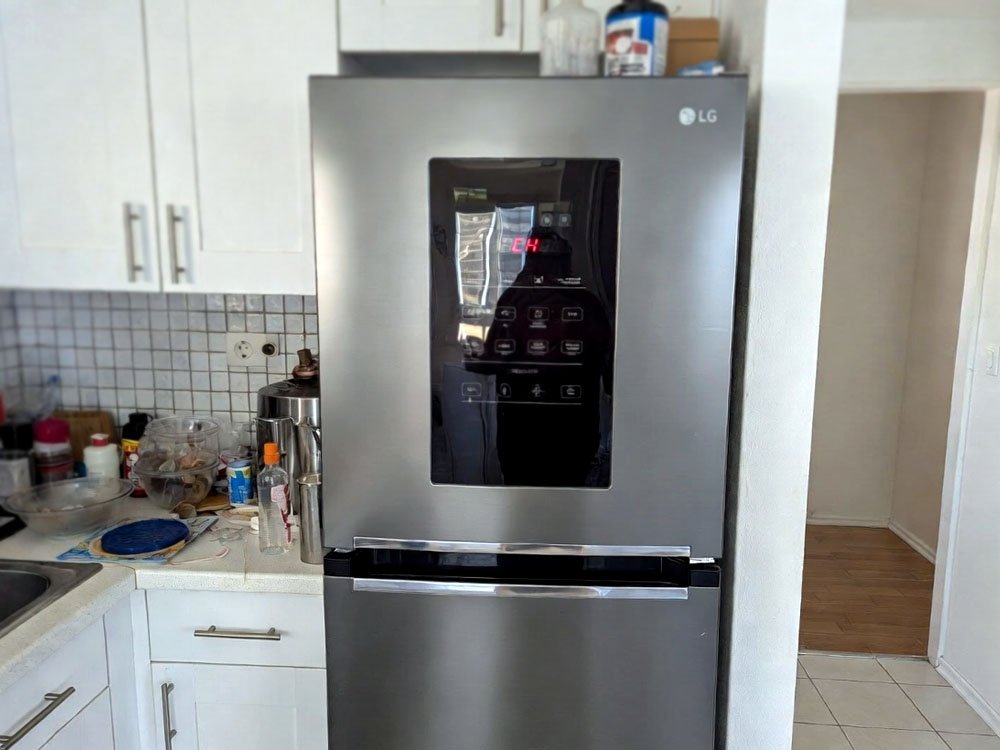
Why Does My LG Refrigerator Show the CH Error Code?
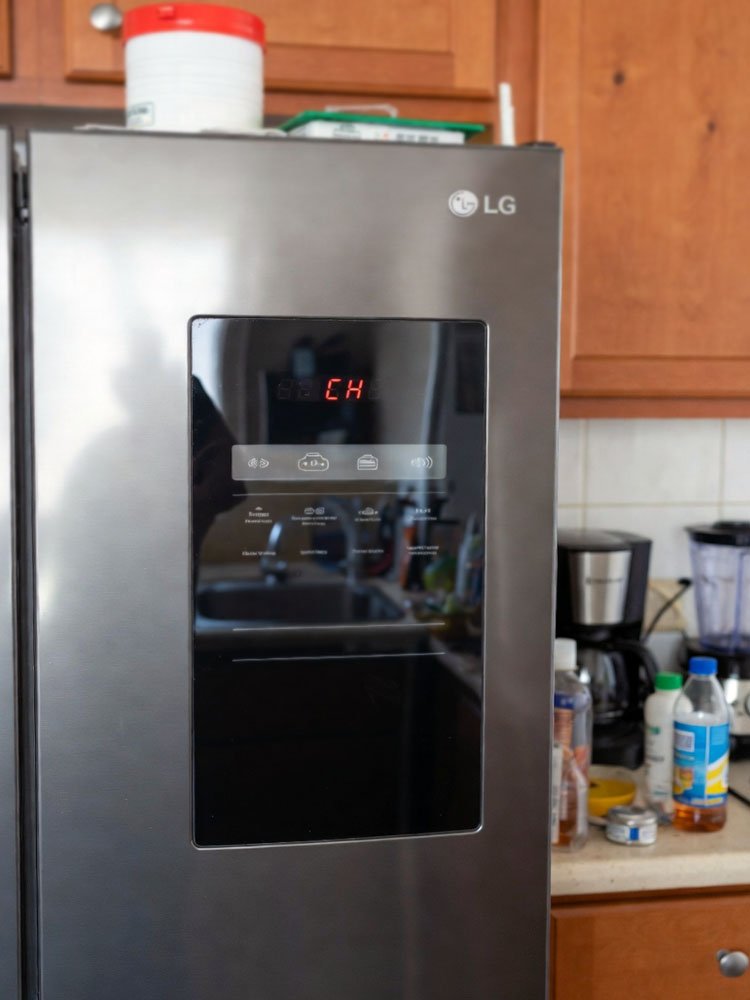
The CH code usually points to a cooling headache inside your machine. It mostly means the system sees a problem with the communication or the sensors. Your fridge is very smart so it talks to you through these letters. It wants to protect the compressor from burning out. If the brain of the fridge doesn’t get the right signal, it throws this code to stop everything.
Sometimes the problem is just a simple glitch in the software. Modern fridges are like little computers and they can get confused. A power surge or a quick flicker in your lights can trigger a false alarm. Other times, it means a part is actually wearing out. You don’t need to panic yet because most of the time it's something you can handle with a bit of patience.
Think of it like a safety switch for your food. The fridge knows the temp is wrong and it wants you to look. You should check your manual but usually, it’s about the sensors or the fan. If the air doesn’t move, the fridge can’t stay cold. Once you find the root cause, the code will go away and your milk will stay fresh.
- Check if the power cord is pushed all the way into the wall.
- Look for any frost buildup on the back wall of the freezer.
- Listen for a clicking sound coming from the bottom of the unit.
- Ensure the doors are sealing tight without any gaps in the rubber.
- Clean the coils under the fridge with a vacuum or a soft brush.
- Try a hard reset by keeping the power off for a long time.
6 Steps to Fix Your LG Refrigerator Error Code CH Like a Pro
Check the Main Power Supply and Wall Outlet
Start with the basics because I've seen people spend hundreds on parts when the plug was just loose. Pull your fridge out and make sure the plug is snug in the socket. Sometimes the vibrations from the motor can slowly wiggle the cord out over time. If you use a power strip or an extension cord, get rid of it. Fridges need a lot of juice and those strips can cause voltage drops that trigger error codes.
You should also check your home circuit breaker in the garage or basement. If the breaker tripped halfway, it might provide enough power to light up the display but not enough to run the compressor. Flip it all the way off and then back on again to be sure. This simple move clears out many “ghost” errors that aren’t actually hardware failures. It's the easiest win in the book.
One insider secret is to look for scorch marks on the outlet. If the plastic looks brown or melted, you have an electrical problem, not a fridge problem. An unsteady flow of power makes the sensors go crazy. If the outlet looks clean and the plug is tight, you can move on to the next step. Always rule out the house power first.
- Unplug the fridge and wait exactly ten minutes.
- Plug a lamp into the same outlet to test for steady power.
- Avoid using GFCI outlets if possible as they trip too often.
- Check the cord for any flat spots or bite marks from pets.
Inspect the Condenser Fan and Motor
Now you need to look at the back of the fridge near the bottom. This is where the condenser fan lives and its job is to keep things cool. If this fan stops, the whole system overheats and gives you the CH code. I often find a stray sock or a mountain of dust bunnies stuck in the blades. If the fan can't spin, the heat has nowhere to go.
Grab a flashlight and see if the blades move easily when you push them with a pen. If they feel stiff or gritty, the motor bearings are likely shot. You can try to clean it out with compressed air first. A dirty fan has to work twice as hard and that extra heat tells the sensor something is wrong. It's a very common reason for communication errors.
Here is a pro tip: if the fan is spinning but making a loud chirping noise, it’s dying. You can’t really oil these small motors so you'll just have to swap it out. A working fan should be almost silent. If you see it vibrating a lot, check if the mounting screws are loose. Keeping this area clean will add years to the life of your appliance.
- Remove the bottom back panel with a Phillips head screwdriver.
- Spin the fan blade by hand to check for smooth rotation.
- Use a vacuum hose to suck out all the thick grey dust.
- Look for any wires that might be rubbing against the fan.
Test the Evaporator Thermistor Sensor
The thermistor is a tiny part that tells the brain what the temperature is. If it lies to the brain, you get a CH error. This part is usually hidden behind the back panel inside the freezer. It looks like a small plastic bulb on the end of two wires. Over time, moisture gets inside and ruins the internal chemistry of the sensor.
You can test this part if you have a cheap multimeter tool. You want to see if the resistance changes when the sensor gets cold or warm. If the reading stays the same no matter the temp, it's broken. It’s a very cheap part to buy but a bit of a pain to reach. You have to take out all the shelves and the back cover.
When you put the new one in, make sure it clips firmly onto the copper pipe. If it hangs loose in the air, it won’t get an accurate reading. I always use a little bit of electrical tape to make sure the wires don’t vibrate loose. This small sensor is often the “secret” fix that repairmen charge a lot of money to swap.
- Set your multimeter to the Ohms setting for the test.
- Dip the sensor in ice water to see if the numbers move.
- Look for any cracks in the plastic casing of the sensor.
- Ensure the wire connector is clicked in until you hear a pop.
Clean the Condenser Coils Thoroughly
Most people forget that a fridge needs to breathe just like we do. The coils under or behind your fridge shed the heat taken from your food. If they are covered in a thick blanket of dust, the heat stays trapped. This causes the system to work overtime until it eventually gives up. The CH code is often a cry for help because the system is choking.
You should do this every six months if you have cats or dogs. Use a long, skinny brush made for coils to get deep into the gaps. You will be shocked at how much dirt comes out of there. After brushing, use a vacuum to clean up the mess on the floor. A clean coil means the compressor doesn’t have to run as long or as hard.
My favorite trick is to use a cardboard tube to direct the vacuum suction. It helps you reach those tight spots without moving the whole fridge. If the coils feel oily, you might have a tiny leak, which is a bigger issue. But usually, it's just plain old dust. Once they are shiny and clean, the error code often disappears on its own.
- Pull the fridge away from the wall to get more space.
- Wear a mask so you don’t breathe in the old dust.
- Check the floor underneath for any signs of water leaks.
- Blow out the hard-to-reach spots with a can of air.
Look for Frost Build Up on Vents
If air can’t flow between the freezer and the fridge, the sensors get very confused. This often happens if a bag of frozen peas blocks the vent in the back. Or, if the door was left open, moisture from the room turns into ice inside the walls. This ice blocks the air paths and causes the CH error. You might see the freezer is icy while the fridge is warm.
You can usually tell if this is the problem by looking at the back wall. If you see snow or thick ice, you have a defrost problem. The easiest fix is to put your food in a cooler and leave the fridge off for 24 hours. This “manual defrost” lets all the hidden ice melt away. It's much safer than trying to pick the ice off with a knife.
I've seen many people stab their fridge trying to remove ice, so please don’t do that. Just let it melt naturally. If the ice comes back in a week, your defrost heater might be broken. But many times, it's just a one-time thing because a kid left the door open. A full melt-down fixes more problems than you would think.
- Move any large boxes away from the back vents inside.
- Check if the light turns off when you close the door.
- Feel for a cold breeze coming from the freezer into the fridge.
- Use a flashlight to look into the vent slats for ice.
Examine the Control Board for Damage
The control board is the brain of your LG fridge. It is usually located in a small box on the back or the top of the unit. If there was a power surge, the board might have a burnt spot. You can’t fix a board; you can only replace it. If you've checked everything else and the CH code remains, the brain might be the culprit.
Open the plastic cover and look for any black marks or a smell like burnt plastic. Sometimes a capacitor will look swollen like a little tin can that is about to pop. If you see this, you need a new board. It's a bit pricey but it's much cheaper than buying a whole new refrigerator. Just make sure you get the exact model number for your fridge.
One human tip: take a photo of the wires before you unplug anything. There are many colorful wires and it's easy to forget where they go. Pushing the connectors in firmly is key because a loose wire can cause the same error code. If the board looks clean and smells fine, double-check your sensors one last time.
- Always unplug the power before touching the control board.
- Check the fuse on the board to see if it's blown.
- Look for “cold solder joints” which look like cracked metal.
- Press on all the wire harnesses to ensure they are tight.
What Should I Do If the Code Keeps Coming Back?
If that pesky CH code keeps popping up, you might have an intermittent wire issue. This means a wire is broken inside the plastic coating but still touches sometimes. It can be very frustrating to track down. You should check the wiring harness that goes through the door hinge. Since the door opens and closes every day, those wires get bent a lot and can eventually snap.
You should also look at your house’s ambient temperature. If your fridge is in a very hot garage, it might struggle to keep up. LG fridges like to be in a room that is between 55 and 90 degrees. If it’s too hot, the system works too hard and triggers a thermal error. Sometimes just moving the fridge to a cooler spot or improving airflow fixes the whole thing.
Lastly, think about the age of your machine. If it's over ten years old, the compressor might be getting weak. It might still run but it can’t build up enough pressure. If you've replaced the sensors and cleaned the coils but the code stays, it's time to call a pro. They can hook up gauges to check the gas levels. Don’t be afraid to ask for help if the easy fixes don’t work.
- Keep a log of when the error happens to find a pattern.
- Check the door gaskets for any tears or air leaks.
- Verify that the fridge is level and not tilting forward.
- Make sure there is at least two inches of space around the sides.
- Listen for any strange buzzing or vibrating sounds.
- Try plugging the fridge into a different circuit in the house.
Final Thoughts
Fixing an LG Refrigerator Error Code CH isn’t as scary as it looks. Most of the time, it's just a cry for a little bit of cleaning or a quick reset. You have the power to save your groceries and your money. Just take it step by step and don’t rush the process. You’ve got this, so grab your tools and get started.
| Part Name | Possible Issue | Difficulty | Tool Needed |
| Power Cord | Loose or damaged | Very Easy | None |
| Condenser Fan | Blocked by dust | Easy | Vacuum |
| Thermistor | Failed sensor | Medium | Multimeter |
| Evaporator Coil | Frosted over | Medium | Hair dryer |
| Control Board | Burnt circuit | Hard | Screwdriver |
| Door Gasket | Air leaking in | Easy | Soapy water |
Frequently Asked Questions (FAQs)
Is it safe to use my fridge while the CH code is showing?
It is not a good idea to keep using it for long. The code means something isn’t working right. Your food might stay cold for a little while, but the temp will eventually rise. This can lead to spoiled milk or melting ice cream. It is best to fix it fast so you don’t get sick from bad food.
Can I reset the CH error code myself?
Yes, you can try a simple hard reset. Unplug the fridge from the wall and wait for ten full minutes. This lets the electricity drain out of the capacitors. When you plug it back in, the computer starts fresh. If it was just a small glitch, the code will go away and stay away.
Do I need special tools to fix this error?
Most of the time, you only need basic household tools. A Phillips head screwdriver and a flashlight are usually enough. If you want to be very precise, a digital multimeter helps you test the sensors. You can find these for cheap at any hardware store. A vacuum with a hose is also very helpful for cleaning.
Is the CH code related to the compressor?
Sometimes it can be, but don’t jump to the worst conclusion first. The code is usually about the sensors or the communication between parts. While a bad compressor can cause cooling issues, the CH code often points to the parts that help the compressor do its job. Check the fan and the sensors before you worry about the big motor.
Can a dirty fridge cause the CH error?
It actually can. If the coils under the fridge are covered in thick dust, the system overheats. This extra heat can trigger sensors that aren’t used to those high temps. Keeping the back and bottom of your fridge clean is the best way to prevent these codes from ever showing up in the first place.
Do I have to defrost the whole fridge?
If you see a lot of ice on the back wall, then yes. A manual defrost is a great “reset” for the whole cooling system. It clears out ice from the hidden air tunnels that you can’t see. Just make sure you have a place to keep your food cold while you wait for the ice to melt.
Is the CH error code common for LG models?
It is a fairly common code for many modern LG models. Because these machines use many sensors to save energy, they are more sensitive to small changes. It doesn’t mean your fridge is bad. It just means the computer is doing its job by watching the system closely. Many people see this code at least once.
Can I fix the control board instead of buying a new one?
Most modern control boards are too complex to fix at home. They use tiny parts that are hard to solder. If the board is truly broken, it is much safer and faster to just buy a replacement. Trying to fix a board yourself could cause a fire if you aren’t an expert in electronics.
