
As an Amazon Associate, I earn from qualifying purchases at no extra cost to you.
Refrigerator Leaking Water on Floor (Fix It Fast)

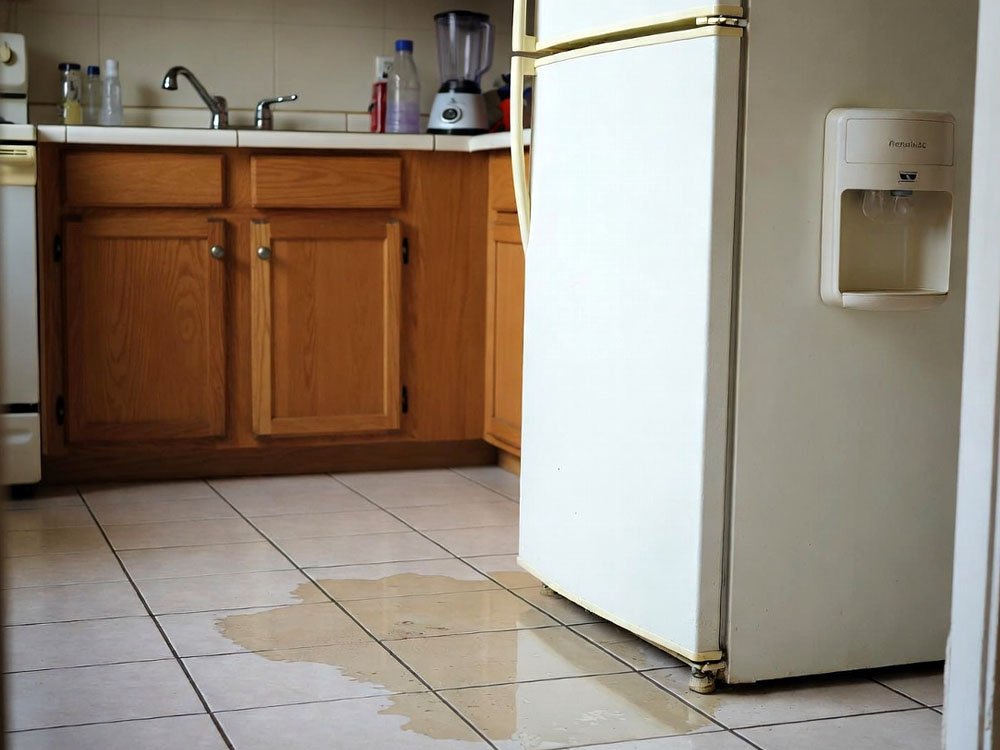
If you find a puddle in your kitchen, you might think your fridge is dying. Most people panic and call a repairman right away, but I have seen this a thousand times. Usually, a refrigerator leaking water on floor is just a small cry for help from a simple part. It is often a quick fix you can handle yourself.
First you should pull the fridge away from the wall to see where the water starts. Then you must check the defrost drain for any ice or food bits that might block it. You should also look at the water inlet valve at the back to see if it has a tiny drip. If that is fine, check the water filter to make sure it is locked in tight. Next you can inspect the drain pan under the fridge for cracks. Lastly you should clean the door seals to make sure no warm air gets inside.
Why is My Refrigerator Leaking Water on Floor Today?
You might wake up and see a big mess near the front of your fridge. This usually happens because the defrost drain is clogged up with gunk. When the fridge goes through its melting cycle, that water has nowhere to go. It overflows from the internal gutter and runs down to the floor.
Another common reason is a loose water line connection at the back. If you have an ice maker, a tiny plastic tube carries water to it. Over time, these tubes can get brittle or the nuts can wiggle loose. Even a tiny drip will turn into a huge puddle if you leave it for a few hours.
You should also check your freezer door to see if it closes all the way. If the seal is dirty, warm air enters and creates too much frost. This frost melts fast and overwhelms the drainage system. It is a simple problem that looks much scarier than it actually is.
- Clean the rubber door seals with warm soapy water.
- Check if the fridge is level so water flows back.
- Look for ice buildup on the back wall of the freezer.
- Make sure the water filter is the right model for your unit.
- Empty the ice bin to see if it is overflowing.
- Tighten the plastic nuts on the water line behind the fridge.
How to Fix Your Leaking Fridge Like a Pro
Clear the Blocked Defrost Drain
The defrost drain is a small hole that lets melted ice escape. It often gets clogged with crumbs or even a stray pea. When this happens, water backs up and leaks out the front door. You will usually find this hole at the back of your freezer or behind a small panel.
I always tell people to use a turkey baster for this job. Fill it with hot water and squirt it directly into the drain hole. This melts any hidden ice blocks and flushes out the slime. You might have to do this a few times until you hear the water go down.
If the water still stays there, try using a flexible piece of weed eater string. Gently poke it down the hole to break up the solid gunk. Don’t use anything sharp like a screwdriver or you might poke a hole in the tube. Once it’s clear, your floor will stay dry.
- Locate the drain hole near the bottom of the cooling coils.
- Flush the line with a mix of hot water and bleach.
- Ensure the drain tube at the back isn’t pinched.
- Listen for water trickling into the pan below.
Check the Water Inlet Valve
The water inlet valve is the gatekeeper for your ice and water dispenser. It lives at the bottom back of your fridge behind a thin metal cover. If this valve cracks, it will drip constantly even when you aren’t using water. You will see a slow trail of water coming from under the back.
Look for white crusty mineral buildup on the valve body. This is a dead giveaway that it has a slow leak. Sometimes the solenoid gets stuck open and lets too much water through. If you see water spraying, turn off the house water valve immediately.
Replacing this part is easier than you think. You just need to unscrew two bolts and swap the wires. Always take a photo of the wires before you pull them off. This ensures you put everything back in the right spot the first time.
- Unplug the power before touching any electrical valves.
- Use a towel to catch water when you pull the tubes.
- Check the plastic tubing for any tiny pinholes.
- Ensure the compression nut is tight but not crushed.
Inspect the Drain Pan
The drain pan sits at the very bottom of your fridge. Its job is to hold the defrost water while the fan blows air over it to make it evaporate. If the pan is cracked, the water hits the floor instead of staying put. This is a common issue in older fridges made of thin plastic.
Sometimes the pan isn’t broken, but it’s just plain gross. Dust and pet hair can build up and act like a sponge. This mess siphons the water out of the pan and onto your tile. I recommend sliding the pan out and giving it a good scrub once a year.
Check if the pan is sitting level in its tracks. If the fridge is tilted forward, the pan might overflow before the water can evaporate. You can adjust the front legs of the fridge to tip it back slightly. This helps the water stay in the deep part of the pan.
- Slide the kick plate off the front to find the pan.
- Use a flashlight to look for hairline cracks in the plastic.
- Clean out any mold or slime with a disinfecting wipe.
- Check if the condenser fan is spinning to help evaporation.
Tighten the Water Filter Housing
A lot of leaks start right at the water filter. If you didn’t twist it in all the way, the seal won’t hold under pressure. You might notice water dripping from the ceiling of the fridge compartment. This water then runs down the back and pools at the bottom.
I have seen many people buy cheap off-brand filters that don’t fit quite right. These can leak because the O-rings are a slightly different size. If you just changed your filter and now have a leak, that is likely the culprit. Always check the seal for any nicks or tears.
Try taking the filter out and putting it back in again. You should feel a distinct “click” or a firm stop when it is locked. If the housing itself is cracked, you might need a new filter head assembly. This is a common spot for leaks in brands like Samsung or GE.
- Remove the filter and check the rubber rings for dirt.
- Lubricate the seals with a tiny bit of food-grade silicone.
- Wipe the inside of the housing to check for hidden cracks.
- Run a gallon of water through to bleed out any air.
Fix the Door Gaskets
The rubber seals around your doors are called gaskets. If they get hard or dirty, they let warm air into your cold fridge. This causes the fridge to work too hard and create massive amounts of frost. When that frost melts during the defrost cycle, it’s too much for the drain.
You can test your seals with a simple dollar bill. Close the door on the bill and try to pull it out. If it slides out easily, your seal is too loose and needs help. You can often fix this by cleaning the rubber with warm water and soap.
Sometimes the rubber gets squashed and won’t bounce back. Use a hair dryer on a low setting to gently warm the rubber up. This makes it soft again so it can stretch and touch the fridge frame. A tight seal stops the moisture that causes those annoying leaks.
- Look for black mold spots that might be propping the seal open.
- Rub a thin layer of Vaseline on the hinge side of the seal.
- Check if the fridge shelves are hitting the door.
- Ensure the fridge is tilted back so the door closes itself.
Level the Refrigerator Properly
Most people don’t know that a fridge needs to be slightly tilted back. If it sits perfectly flat or tilts forward, the water won’t flow toward the drain hole. Instead, it will pool in the bottom of the fridge and leak out. This also keeps the door from swinging shut on its own.
You can adjust the height by turning the front legs. Use a wrench or even a screwdriver depending on your model. You want the front to be about half an inch higher than the back. This uses gravity to keep all the water moving in the right direction.
Check the level by opening the door halfway and letting go. It should slowly drift closed without you touching it. If it stays open or swings wider, your fridge is not level. A well-leveled fridge is a dry fridge and it also runs much quieter.
- Use a carpenter’s level on the top of the cabinet.
- Check that all four feet are touching the ground firmly.
- Ensure the floor under the fridge isn’t sagging or soft.
- Adjust the legs while a friend tilts the fridge back.
Is It Normal for a Fridge to Have Some Water?
A little bit of moisture inside your fridge is actually quite common. Refrigerators work by removing heat and moisture from the air. This moisture usually turns into tiny droplets on the back wall. This is a normal part of how the cooling coils work during their daily cycle.
However, you should never see a pool of water on the shelves or the floor. If the water is collecting in the crisper drawers, your drain is likely starting to clog. You want the moisture to stay in the air or go down the drain. Anything else means there is a problem that needs your attention.
If you see ice forming on the floor of the freezer, that is a big red flag. It means the water is freezing before it can escape through the drain tube. You need to melt that ice and clear the path. A healthy fridge keeps its water hidden and moves it safely to the bottom pan.
- Wipe down the back wall if you see heavy condensation.
- Keep your food covered to reduce moisture in the air.
- Check that your temperature is set to 37 degrees Fahrenheit.
- Don’t block the air vents with large boxes of food.
- Make sure the “energy saver” switch is off if it’s humid.
- Clean the condenser coils so the fridge doesn’t sweat.
Final Thoughts
You don’t need a degree to fix a refrigerator leaking water on floor today. Most of the time, a little cleaning and a quick adjustment will do the trick. Just take your time and look at the simple things first. You’ve got this, and your kitchen floor will be dry again in no time. If you feel stuck, just remember that every pro started exactly where you are right now.
| Part Name | Common Problem | Easy Fix |
| Defrost Drain | Clogged with food or ice | Flush with hot water |
| Water Filter | Not installed correctly | Re-seat and tighten |
| Door Gasket | Dirty or warped | Clean with soap or use hair dryer |
| Drain Pan | Cracked or overflowing | Replace or level the fridge |
| Inlet Valve | Leaking at connection | Tighten nut or replace valve |
| Ice Maker | Overfilling the tray | Adjust water level screw |
Frequently Asked Questions (FAQs)
Is it dangerous if my fridge is leaking water?
It is not usually a danger to your life, but it can hurt your home. Water can rot your wood floors or cause mold to grow under the cabinets. Also, you might slip and fall on the wet tile. You should fix it fast to save your floor.
Can a clogged filter cause a leak?
Yes, it certainly can. If the filter is old or not put in right, the pressure builds up. This pressure forces water out of the seals and onto your floor. I always suggest changing your filter every six months to keep the water flowing smoothly and safely.
Do I need to turn off the water to fix a leak?
If the leak is coming from the ice maker or the back of the fridge, yes. You should find the shut-off valve behind the fridge or under the sink. Turning the water off stops the mess while you work. It gives you peace of mind while you explore.
Is it expensive to fix a leaking refrigerator?
Most of the fixes I mentioned cost almost nothing. Cleaning a drain or leveling the feet is totally free. If you need a new valve or a filter, it might cost between fifty and a hundred dollars. Doing it yourself saves you the big bill from a repairman.
Can I use a vacuum to clear the drain?
You can use a wet-dry vacuum to suck out a clog. Put the hose over the drain hole and hold a wet rag around it to make a seal. This is a great way to pull out hair or gunk that won’t wash away with water. Just make sure the vacuum is for liquids.
Do I need special tools to level my fridge?
You usually only need a simple wrench or a flat-head screwdriver. Most fridge legs have a notch or a nut that you can turn easily. Sometimes you don’t even need tools because the feet turn by hand. A simple level tool helps but you can also use a cup of water.
Is a leaking fridge always a sign of a broken part?
Not at all. Many leaks are just about maintenance. Dust on the coils or a dirty door seal are not broken parts. They are just things that need a little love. I find that eighty percent of leaks are solved with just a good cleaning and some patience.
Can I leave the leak alone for a few days?
I wouldn’t recommend it. Even a small drip can travel under your baseboards and cause big trouble. It can also make your fridge run constantly, which raises your power bill. It is much better to spend twenty minutes now than hundreds of dollars later on new flooring.
