
As an Amazon Associate, I earn from qualifying purchases at no extra cost to you.
Samsung Refrigerator Making Noise: How to Fix It Like a Pro

I once spent four hours driving through a snowstorm just to find out a customer's fridge was “screaming” because a stray frozen pea had wedged itself into the fan blade. It's funny how a tiny green vegetable can sound like a jet engine taking off in your kitchen. If your Samsung refrigerator making noise is keeping you up at night, don’t panic yet. Most of these sounds come from parts that just need a little nudge or a quick cleaning rather than a total replacement.
To fix the sound, you should first pull the fridge away from the wall to check for vibrating coils or a dirty compressor area. Next, listen closely to tell if the hum comes from the freezer or the back of the unit. You can often stop the rattling by leveling the legs with a simple wrench or clearing ice buildup around the internal fan. Always defrost the unit manually if you hear a loud grinding sound. Clean the condenser coils every six months to keep the motor quiet and happy.
Why is My Samsung Refrigerator Making Noise?
Your fridge isn’t just a box of cold air, it’s a complex machine with moving parts that work 24 hours a day. Most sounds happen because the cooling system has to work harder than it wants to. When dust builds up on the back or ice blocks a fan, the motor starts to groan under the pressure. It's usually a cry for help rather than a sign that the whole machine is dying on you.
Think of the noise like a heartbeat for your kitchen. A steady, low hum is perfect, but clicks and bangs usually mean something is loose or stuck. Fans are the most common culprits because they spin at high speeds and can hit ice or wires. If the sound stops when you open the door, you know for sure it’s a fan issue inside the cabinet.
You also have to consider the environment around the fridge. If it sits on an uneven floor, the entire frame can vibrate against the cabinets or walls. This creates a deep buzzing that feels like it's coming from everywhere at once. I always tell my friends to check the simple stuff before they call me to bring my heavy tool bag over.
- Check if the fridge is touching the wall.
- Make sure the floor is perfectly level.
- Look for ice buildup in the freezer.
- Listen for clicking near the bottom back.
- Verify the water line isn’t vibrating.
- Watch for a dusty condenser fan.
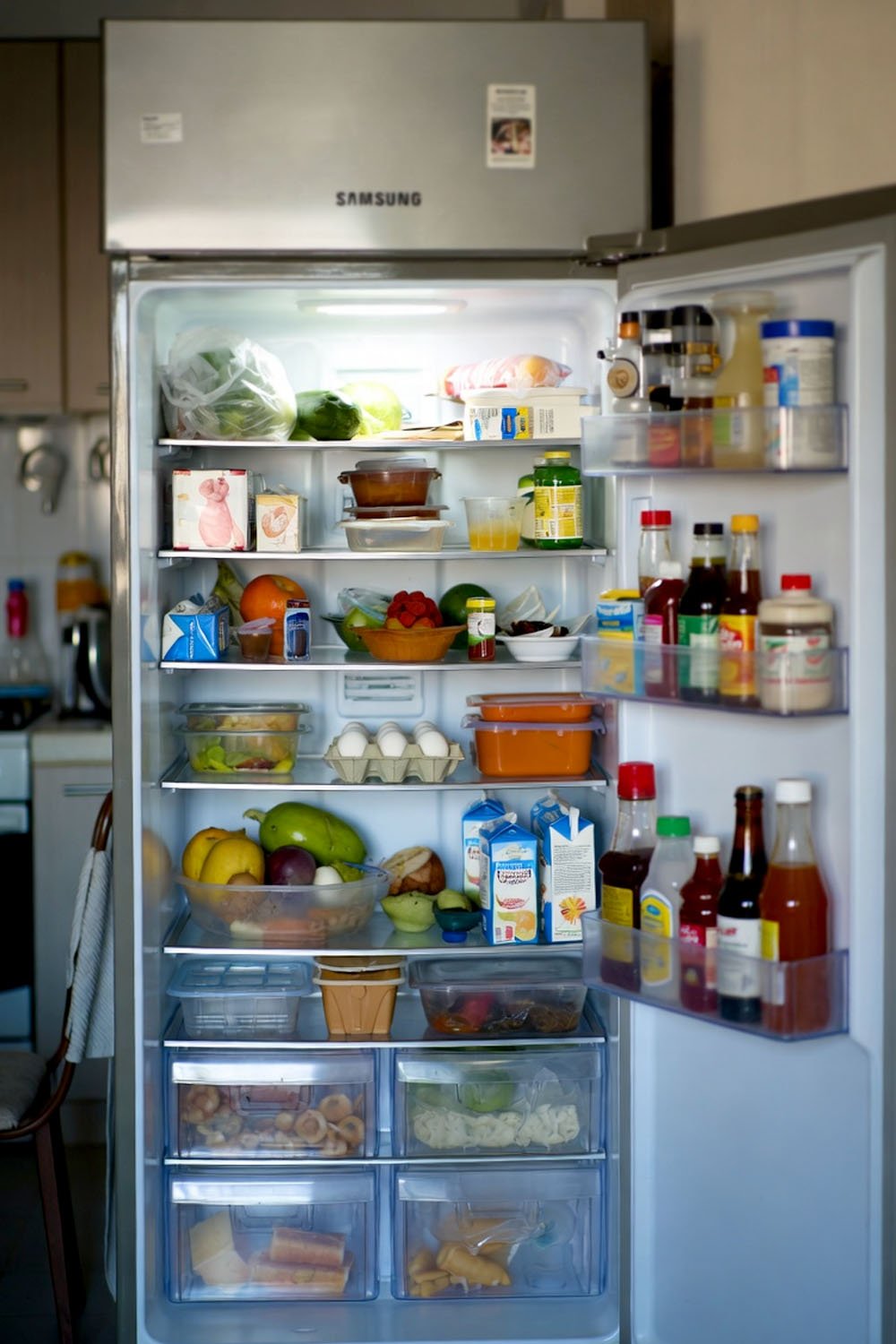
Quick Steps to Stop Your Samsung Refrigerator Making Noise
Check the Evaporator Fan for Ice
The evaporator fan lives behind the back panel of your freezer and moves cold air around. If your fridge starts chirping or squealing, ice has likely built up around the blades. This happens when the defrost heater misses a spot or the door stays open too long. The fan hits that ice and creates a racket that sounds much worse than it actually is.
You can try a “forced defrost” mode using the buttons on your screen to melt that ice without tools. If that doesn’t work, you’ll need to empty the freezer and pull that back panel off. I've seen fans completely encased in ice because of a tiny air leak in the door seal. Once you clear the ice, the fan should spin freely and quietly again.
Keep an eye on the rubber gasket around the door while you’re at it. A loose seal lets warm air in, which creates the moisture that turns into fan-clogging ice. I always rub a little Vaseline on the hinge side of the seal to keep it supple and tight. This prevents the ice from coming back and keeps your kitchen silent.
- Hold the Power Freeze and Fridge buttons.
- Listen for a change in the fan pitch.
- Check the back wall for frost patches.
- Clean the drain tube to prevent clogs.
Clean the Condenser Coils and Fan
The condenser fan is located at the bottom back of your fridge, near the compressor. This area is a total magnet for pet hair and dust bunnies that choke the airflow. When the fan can’t move air, the compressor gets too hot and starts to buzz loudly. It's like trying to run a marathon while breathing through a tiny straw.
Grab a vacuum with a narrow hose and get all that gunk out of there. You should see a small fan near a big black metal tank, which is the compressor. If the fan looks bent or wobbly, that's your noise source right there. A clean fan doesn’t have to work as hard, so it stays much quieter during the day.
While you’re back there, look for any copper pipes that might be touching each other. Sometimes they vibrate together and create a high-pitched “zing” sound that drives people crazy. You can gently pull them apart or wrap them in a bit of foam. This is a classic pro trick that saves a lot of money on parts you don’t actually need.
- Unplug the fridge before touching the back.
- Use a soft brush to loosen stubborn dust.
- Check if the fan blade is cracked.
- Ensure the back cover is screwed on tight.
Level the Fridge Legs Properly
If your fridge sounds like a vibrating massage chair, the legs are probably not hitting the floor evenly. Samsung fridges are heavy, and they can settle into floorboards over time. When one corner is even a tiny bit off the ground, the whole metal cabinet acts like a speaker for the motor’s vibration. It's a very common reason for a loud humming sound.
Pop off the plastic cover at the very bottom of the front. You'll see two adjustable feet that you can turn with a flat-head screwdriver or a wrench. You want the front of the fridge to be slightly higher than the back. This helps the doors swing shut on their own and keeps the internal parts balanced.
I always use a spirit level on top of the fridge to be 100% sure. If the bubble is centered, the internal fans and the compressor will sit in their rubber mounts correctly. This absorbs the natural shake of the motor. It’s a five-minute fix that makes a world of difference for your ears and your sanity.
- Turn the legs clockwise to raise them.
- Check for wobbling by pushing the corners.
- Ensure the wheels aren’t carrying the weight.
- Verify the fridge isn’t tilted sideways.
Inspect the Water Inlet Valve
Does your fridge make a loud chattering or buzzing sound every hour? That's usually the water inlet valve trying to fill the ice maker. If your water is turned off or the line is kinked, the valve vibrates because it’s dry. It's a very distinct, sharp sound that only lasts for about five to ten seconds at a time.
Check the shut-off valve behind the fridge or under your sink to make sure it’s fully open. If you recently moved the fridge, you might have pinched the plastic tubing against the wall. A restricted flow makes the valve work way too hard and causes that annoying buzz. It’s a simple plumbing check that often solves the “ghost” noises.
If the sound happens and you see no ice in the bucket, the valve might just be old and failing. These parts have a small solenoid coil that can hum when it gets weak. Replacing a valve is a cheap and easy DIY job that doesn’t require a pro. Just remember to turn the water off before you start unscrewing things.
- Straighten any kinks in the water line.
- Flush the line to remove air bubbles.
- Check the water pressure in your house.
- Replace the filter if it’s very old.
Tighten the Compressor Mounting Bolts
The compressor is the heart of your fridge, and it sits on thick rubber grommets to keep it quiet. Over the years, the bolts holding it down can wiggle loose, or the rubber can harden and crack. When this happens, the compressor shakes against the metal base pan. This creates a deep, metallic rattling that can be heard in the next room.
You'll need to look at the very bottom of the back of the unit. Give the compressor a tiny wiggle with your hand while the fridge is unplugged. It should move a little bit on its rubber feet but shouldn’t clank against anything. If it feels loose, just tighten those mounting bolts a quarter turn to snug it back down.
Sometimes, the rubber mounts get so dry they start to squeak. A tiny drop of silicone lubricant on the rubber can stop that noise instantly. Be careful not to over-tighten the bolts, though. The compressor needs a little bit of room to move, or the vibration will travel straight into the floor.
- Check the rubber feet for dry rot.
- Ensure no wires are touching the compressor.
- Look for oily residue near the bolts.
- Listen for a “thump” when the motor stops.
Adjust the Internal Shelves and Bins
Sometimes the “mechanical” noise you hear is actually just a jar of pickles rattling against a shelf. I've seen people ready to buy a new fridge when all they needed to do was move a carton of eggs. Because the fridge vibrates naturally, anything loose inside will dance around and make a clicking or tapping sound.
Go through your fridge and make sure all the glass shelves are snapped firmly into their tracks. Sometimes a heavy gallon of milk can push a shelf slightly out of place. Also, check the door bins to see if they are seated all the way down. If a bin is loose, it will rattle every time the compressor kicks on.
Don’t forget to check the items stored on top of the fridge. A stray tray or a box of cereal can vibrate against the top metal panel and sound like it’s coming from inside. Clear the top of the unit and see if the noise vanishes. It's the easiest fix in the world and costs absolutely zero dollars.
- Rearrange glass bottles so they don’t touch.
- Snap all crisper drawers into their slots.
- Remove everything from the top of the fridge.
- Check for loose light covers inside.
Is it Normal for a New Fridge to Make Sounds?
New fridges actually make more weird sounds than the old ones did back in the day. Modern units use a different kind of refrigerant that flows at higher pressures, which causes gurgling or bubbling. You might also hear a loud “crack” or “pop” occasionally. That's just the plastic liner inside expanding and contracting as the temperature changes during a defrost cycle.
When you first plug it in, the compressor will run at high speed for a few hours to get cold. This will be louder than the normal operating volume you’ll hear later. Don’t worry if it sounds like a small airplane for the first day. Once it reaches the right temperature, the computer tells the motor to slow down and get quiet.
If the noise is constant and high-pitched, that might be a problem, but occasional clicks are usually just the timers and valves doing their jobs. Modern Samsung fridges are very smart, and they constantly adjust their fans to save power. You'll get used to the “language” of your fridge after a week or two of living with it.
- Bubbling is just refrigerant moving around.
- Popping is usually the internal plastic expanding.
- Hissing happens during the defrost heater cycle.
- Dripping is water falling into the drain pan.
- Clicking is the thermostat turning things on.
- Whirring is the normal sound of high-speed fans.
Final Thoughts
Living with a Samsung refrigerator making noise is stressful, but you really can handle most of these fixes yourself. Start with the easy stuff like leveling the legs or cleaning out the dust from the back. Usually, a little bit of maintenance is all it takes to get that peaceful, quiet kitchen back. You’ve got this, so grab a screwdriver and start investigating!
| Noise Type | Likely Cause | Fix Difficulty | Tool Needed |
| Loud Screeching | Evaporator Fan Ice | Medium | Hair Dryer / Defrost |
| Deep Buzzing | Unlevel Floor | Easy | Wrench / Level |
| Rapid Clicking | Water Inlet Valve | Medium | Screwdriver |
| Rhythmic Rattling | Loose Condenser Fan | Medium | Vacuum / Brush |
| Metallic Clanking | Compressor Mounts | Hard | Socket Wrench |
| Gurgling | Refrigerant Flow | Normal | None (It’s fine) |
Frequently Asked Questions (FAQs)
Is it dangerous if my fridge is buzzing?
A light buzz is usually fine and just means the motor is running. However, if the buzz is very loud or smells like burning plastic, you should unplug it right away. This could mean the compressor is overheating or an electrical part is failing. Most of the time, it’s just a dirty fan.
Can I fix a noisy fan myself?
Yes, you can definitely fix a noisy fan. Most fans in a Samsung fridge are easy to reach with a basic screwdriver. You just need to remove the back panel inside the freezer or the one at the bottom rear. Just make sure to unplug the power before you put your fingers near any blades.
Do I need to call a repairman for popping sounds?
You probably don’t need a pro for popping sounds. This is usually just the sound of the plastic inside the fridge changing size as it gets cold or warm. It happens most often during the defrost cycle. Unless the fridge isn’t cooling, those pops and cracks are a normal part of its life.
Is it normal for the ice maker to be loud?
Ice makers are surprisingly noisy little machines. You will hear the sound of cubes falling into the plastic bin and the hum of the water valve opening. If you hear a loud grinding, there might be a jammed cube in the twist mechanism. Clearing the jam usually stops the extra noise.
Can a dirty fridge cause more noise?
It absolutely can! When dust coats the coils on the back, the fridge can’t get rid of heat easily. This forces the compressor to run much longer and much louder than it should. Keeping the back of your fridge clean is the best way to keep it quiet for years.
Do I have to defrost my Samsung fridge manually?
Sometimes you do, even if it’s “frost-free.” If a sensor fails, ice can build up on the fan blades. Turning the fridge off for 24 hours with the doors open will melt all that hidden ice. This often fixes “phantom” noises that won’t go away with regular cleaning.
Is a high-pitched whine a bad sign?
A very high-pitched whine can mean the electronic control board or the compressor is struggling. Check the condenser fan first, as a spinning blade hitting a wire can also make that sound. If cleaning the fan doesn’t help, it might be time to have a technician look at the motor.
Can the floor type affect the noise?
Yes, hard floors like tile or hardwood reflect sound much more than carpet or linoleum. If your fridge is on a hard surface, the vibration can bounce around and sound much louder. Placing a thick rubber mat under the fridge can dampen the vibrations and make your kitchen much quieter.
