
As an Amazon Associate, I earn from qualifying purchases at no extra cost to you.
Why is My Refrigerator Leaking Water Inside (Fix It Now)

If you see a puddle under your crisper drawer, you aren’t alone because I see this every day in my repair shop. It usually happens right when you buy a giant bag of expensive cherries. You might wonder why is my refrigerator leaking water inside when everything seems fine. It’s usually just a tiny bit of ice or gunk causing trouble.
Check the drain hole at the back for any food bits or slime that might block the path. Use a small turkey baster or a piece of flexible wire to gently poke through the clog until the water flows. Pour a little bit of warm water down the tube to melt any hidden ice chunks that stopped the flow. Level the front legs of your fridge so it tilts back slightly to help the water move correctly. Wipe down the rubber door seals with soapy water to make sure they close tight and keep the warm air out.
Why Does Water Keep Building Up at the Bottom of My Fridge
A wet floor inside your fridge usually means the defrost system is acting up. Your fridge has a small hole to catch water during the melting cycle. If that hole gets plugged with a stray pea or a piece of onion skin, the water has nowhere to go. It just spills out over the edge and hides under your vegetable bins until you find a swamp.
Another big reason involves the air around us. If your door doesn’t close all the way, warm air rushes in and hits the cold coils. This creates a lot of extra moisture that the drain can’t handle fast enough. You might see drops on the ceiling of the fridge or on the shelves too. It’s like a tiny rainstorm happening right next to your milk.
Lastly, check your ice maker and water line connections if you have them. A tiny drip from a loose nut can travel along the plastic tubing and look like a leak from inside. You should pull the fridge out and look at the back to be sure. Most of the time, a quick cleaning of the drain tube fixes the whole thing in minutes.
- Look for a small hole at the back of the fridge.
- Clean the drain pan located under the unit.
- Check if your fridge is sitting level on the floor.
- Inspect the door gaskets for any tears or gaps.
- Stop overstuffing the shelves to let the air move.
- Clear away any frost buildup on the back wall.
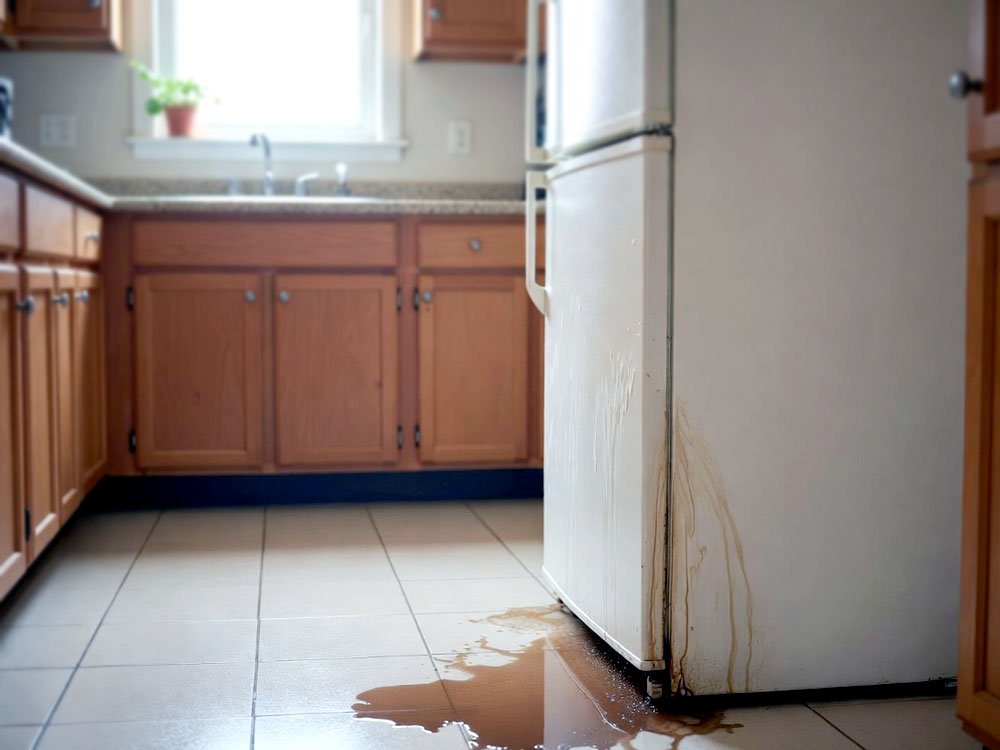
6 Quick Steps to Stop the Water and Fix the Leak Your Refrigerator
Check the Defrost Drain for Clogs
The most common culprit is a clogged defrost drain. This small opening lives at the back of your fridge and its job is to carry away melted ice. Over time, bits of food or even dust get stuck in there and turn into a thick sludge. When the water can’t go down the tube, it backs up and flows into the main cabin.
You can fix this easily with things you already have in your kitchen. I like to use a mix of warm water and a tiny bit of bleach or vinegar. Use a straw or a pipe cleaner to gently wiggle the debris loose from the opening. You will know it is clear when you hear the water splashing into the pan below.
My secret tip is to use a hair dryer on a low setting if you think the clog is actually ice. Sometimes the drain tube freezes solid because the fridge is too cold. Just blow the warm air toward the hole for a few minutes. This melts the ice bridge and lets the water flow naturally again without any heavy tools.
- Find the drain hole behind the vegetable drawers.
- Use a flexible wire to push out the gunk.
- Flush the tube with a cup of warm water.
- Listen for water hitting the drain pan at the bottom.
Inspect the Door Gasket and Seals
Your door seal is a giant rubber magnet that keeps the cold in and the heat out. If it gets dirty or warped, it lets humid air sneak inside your fridge. This moisture turns into water droplets that pool at the bottom. I see people forget to clean these seals for years, which causes them to dry out and crack.
To test your seal, try the dollar bill trick. Close the door on a dollar bill and try to pull it out. If it slides out easily, your seal is too loose and needs a fix. You should wipe the entire rubber strip with warm, soapy water to remove sticky jelly or crumbs. This helps the magnet grab onto the metal frame much better.
If the seal looks crushed, you can actually save it with a bit of heat. Use a blow dryer to warm up the rubber until it feels soft and flexible. Then, gently pull it outward with your fingers to reshape it. This little trick saves you from buying a new seal that can cost a lot of money.
- Clean the rubber with a soft cloth and soap.
- Check all four corners for any visible gaps.
- Apply a thin layer of Vaseline to keep rubber soft.
- Make sure no tall bottles are blocking the door.
Level the Fridge Legs Properly
Many people don’t realize their fridge needs to be slightly tilted. If the front of the fridge is lower than the back, the water won’t run toward the drain. It will sit in the tracks and eventually spill over into the food area. You want the front to be just a tiny bit higher than the back.
You can adjust this by turning the little feet at the bottom of the unit. Most fridges have hex bolts or plastic screws that you can turn with a wrench or even your hand. Give them a few turns until the fridge looks like it is leaning back very slightly. This also helps the door swing shut on its own if you forget it.
A good way to check this is by using a level tool or just watching the door. If you open the door halfway and let go, it should slowly close by itself. If it stays still or swings wider, you need to raise the front legs more. This simple change keeps the water moving in the right direction every single time.
- Remove the bottom grill to see the leveling legs.
- Turn the legs clockwise to raise the front.
- Use a carpenter’s level on the top of the fridge.
- Ensure all four feet are touching the floor firmly.
Look at the Water Tank and Lines
If your fridge has a water dispenser, it has a lot of hidden plastic tubing. These tubes can crack or get a pinhole leak over time. Sometimes the water tank behind the crisper drawers gets a tiny split. This will cause a steady leak that fills up the bottom of your fridge very quickly.
You should pull out your drawers and look at the plastic tank or the coiled tubing. Dry everything off with a towel and then watch closely for a few minutes. If you see a tiny bead of water forming on the plastic, you found the leak. Replacing these lines is usually a quick job that requires just a pair of pliers.
I always tell people to check the plastic nuts where the lines connect. Sometimes they just vibrate loose because the fridge motor runs all day. Give them a quick tighten with your fingers or a small wrench. This often stops a “mysterious” leak without costing you a single penny for new parts.
- Dry the area completely to find the leak source.
- Check the connections at the back of the fridge.
- Replace any cracked or brittle plastic tubing.
- Look for frozen lines if the water stops flowing.
Clean the Evaporator Fan and Area
The evaporator coils get very cold and create moisture as they work. There is a fan that blows air over these coils to keep the fridge cool. If the area around these coils gets too much ice, the water will overflow the internal tray. This often happens if you leave the door open too long while putting away groceries.
You might hear a buzzing or clicking sound if ice is hitting the fan blades. If you hear that, it means your fridge is struggling to stay dry inside. You might need to empty the fridge and let it sit unplugged for a few hours. This is a “manual defrost” and it clears out all the hidden ice in the walls.
Make sure you don’t block the air vents with big boxes of pizza or large milk jugs. The air needs to move freely so the moisture can reach the drain. If the air gets trapped in a corner, it turns into frost and then into a puddle. Keeping your fridge tidy actually helps it stay dry and leak-free.
- Listen for strange noises coming from the back wall.
- Keep food at least two inches away from the vents.
- Check for heavy frost on the back of the freezer.
- Unplug the unit for a full day to melt deep ice.
Examine the Ice Maker Assembly
The ice maker is a complex little machine that uses a lot of water. If the fill tube is misaligned, the water might miss the tray and spill inside. This water then freezes and melts repeatedly, leading to a big mess at the bottom. I often find that ice cubes get stuck and hold the water valve open.
Check the little arm that tells the ice maker when to stop. If it’s stuck or broken, the machine might try to make too much ice or overflow the mold. Look inside the ice bin for any giant clumps of ice. Clumps mean that water is dripping from somewhere above and freezing your ice cubes together.
One expert secret is to check the water pressure in your home. If the pressure is too low, the water valve might not close all the way when it’s done. This causes a slow, constant drip into the freezer that ends up as a puddle in your fridge. A quick check of your home’s main water valve might be the fix you need.
- Check if the ice maker mold is overfilling.
- Clear away any ice stuck in the delivery chute.
- Make sure the water fill tube is in the right spot.
- Look for leaks at the water inlet valve on the back.
How Can I Prevent My Refrigerator From Leaking Water Again
Keeping your fridge dry is mostly about good habits and quick checks. You should make it a point to wipe down your door seals every month with a wet cloth. This simple act keeps the rubber soft and stops the warm air from getting inside. Also, try to keep your fridge about three quarters full so the air can flow perfectly around your food.
Don’t forget to check the drain hole whenever you do a deep clean of your shelves. If you see a tiny bit of water sitting there, blow some air through it or use a pipe cleaner. It is much easier to clear a small clog now than to mop up a giant puddle later. Most leaks are just basic maintenance issues that take five minutes to fix.
Lastly, be mindful of how you store your leftovers and liquids. Put lids on everything to keep the humidity low inside the fridge. High humidity makes the cooling system work harder and creates more water for the drain to handle. If you follow these easy steps, your fridge will stay bone dry and your floor will stay safe.
- Wipe the door seals once every single month.
- Keep the fridge at the right temperature setting.
- Avoid pushing food against the back wall.
- Clear the drain hole twice every year.
- Check the floor for wet spots every week.
- Cover all your food to reduce inside moisture.
Final Thoughts
You now have the secrets to solve the mystery of why is my refrigerator leaking water inside without calling a repairman. Most of the time, you just need a little warm water and a bit of patience to clear a clog. Take a deep breath and look at the simple stuff first like the drain or the door. You’ve got this, and your kitchen will be dry again in no time.
| Problem | Likely Cause | Quick Fix |
| Water under drawers | Clogged drain hole | Flush with warm water |
| Water on shelves | Door seal gap | Clean or heat the seal |
| Puddle behind fridge | Loose water line | Tighten the plastic nut |
| Ice in the fridge floor | Frozen drain tube | Use a hair dryer on low |
| Wet spots on ceiling | High humidity | Cover all food and liquids |
| Constant dripping | Cracked water tank | Replace the plastic tank |
Frequently Asked Questions (FAQs)
Is it dangerous if my fridge is leaking water inside?
It is not usually dangerous for your health, but it can ruin your food or your floor. Water can cause mold to grow if you leave it too long. Also, the water might leak out and make your kitchen floor very slippery. You should fix it soon to prevent wood rot or floor damage.
Can a dirty door seal cause a water leak?
Yes, it definitely can because it lets warm air inside. When warm air meets the cold parts of your fridge, it turns into water. This is called condensation and it looks just like a leak. Cleaning your seals with soap and water is the fastest way to stop this from happening.
Do I need to call a plumber for a fridge leak?
Most of the time, you do not need a plumber or a repair person. You can fix common issues like a clogged drain or a loose leg yourself. If the leak is coming from the main water pipe in your wall, then you might need a plumber. Try the easy steps first.
Is it normal for some water to be in the drain pan?
Yes, it is perfectly normal to have a little water in the pan under your fridge. The heat from the compressor is supposed to evaporate that water into the air. You only have a problem if the water overflows onto your floor or stays inside the fridge instead of draining.
Can I use a vacuum to clear a clogged fridge drain?
You can use a wet-dry vacuum to suck out a clog if you have one. Just put the hose over the drain hole and make a tight seal with your hand. This is often faster than using a wire or a straw. It pulls the gunk out instead of pushing it down.
Do I have to defrost my fridge if it leaks?
If you see a lot of ice on the back wall, a full defrost is a great idea. Turn the fridge off and leave the doors open for a whole day. This melts all the hidden ice that might be blocking your drain tubes or fans. It's like a fresh start.
Is it okay to use bleach in the drain tube?
You can use a very small amount of bleach mixed with water to kill mold. Usually, one teaspoon of bleach in a cup of warm water is plenty. This keeps the slime from growing back and clogging your drain again. Just be careful not to spill it on your clothes or food.
Can a tilted floor cause the fridge to leak?
Yes, if your floor is not level, the water might not reach the drain hole. The water follows the path of gravity and will pool in the lowest corner of the fridge. Adjusting the feet of the fridge can fix this problem in just a couple of minutes.
