
As an Amazon Associate, I earn from qualifying purchases at no extra cost to you.
Why is my Refrigerator Sweating Inside and How to Fix It

I once saw a fridge so wet inside it looked like it had just finished a marathon in the desert. Most people think their fridge is dying when they see water on the walls. It’s usually just a simple case of humid air hitting cold plastic. This is why is my refrigerator sweating inside.
First you should check if the door seal feels tight by closing it on a thin piece of paper. If the paper slides out easily then you need to clean or replace the rubber gasket. You must also turn down the humidity settings on your crisper drawers to let the air flow better. Stop leaving the door open while you decide what to eat for dinner tonight. Clean the drain hole at the back with a mix of warm water and baking soda. Make sure you don’t push food right against the back wall of the fridge. Lastly check your internal temperature settings to ensure they stay between 37 and 40 degrees.
Why Does Water Form on the Inside of my Fridge?
Water shows up when warm air meets cold surfaces. Think of a cold soda can on a hot summer day. Your fridge works the same way. When you open the door, warm room air rushes inside and turns into liquid drops on the shelves. This is normal to an extent, but too much water means your fridge is working way too hard.
If you live in a place with high humidity, your fridge might sweat more often. The cooling coils pull moisture out of the air as they work. If that moisture has nowhere to go, it sits on your shelves. Sometimes, even hot leftovers can cause a tiny rainstorm inside your appliance. You want to keep the air moving so the water can evaporate or drain away like it’s supposed to.
Old seals are the most common reason for a wet fridge. A tiny gap lets in a constant stream of warm air. This creates a never ending cycle of condensation. You might notice the motor running all the time too. Fixing the air leak usually stops the sweating almost instantly. It saves your food and your electric bill at the same time.
- Check the rubber seal for cracks or mold.
- Look for food blocking the air vents.
- Make sure the fridge is level on the floor.
- Wipe down the walls with a dry cloth.
- Keep the door closed as much as possible.
- Lower the house humidity if it’s very high.
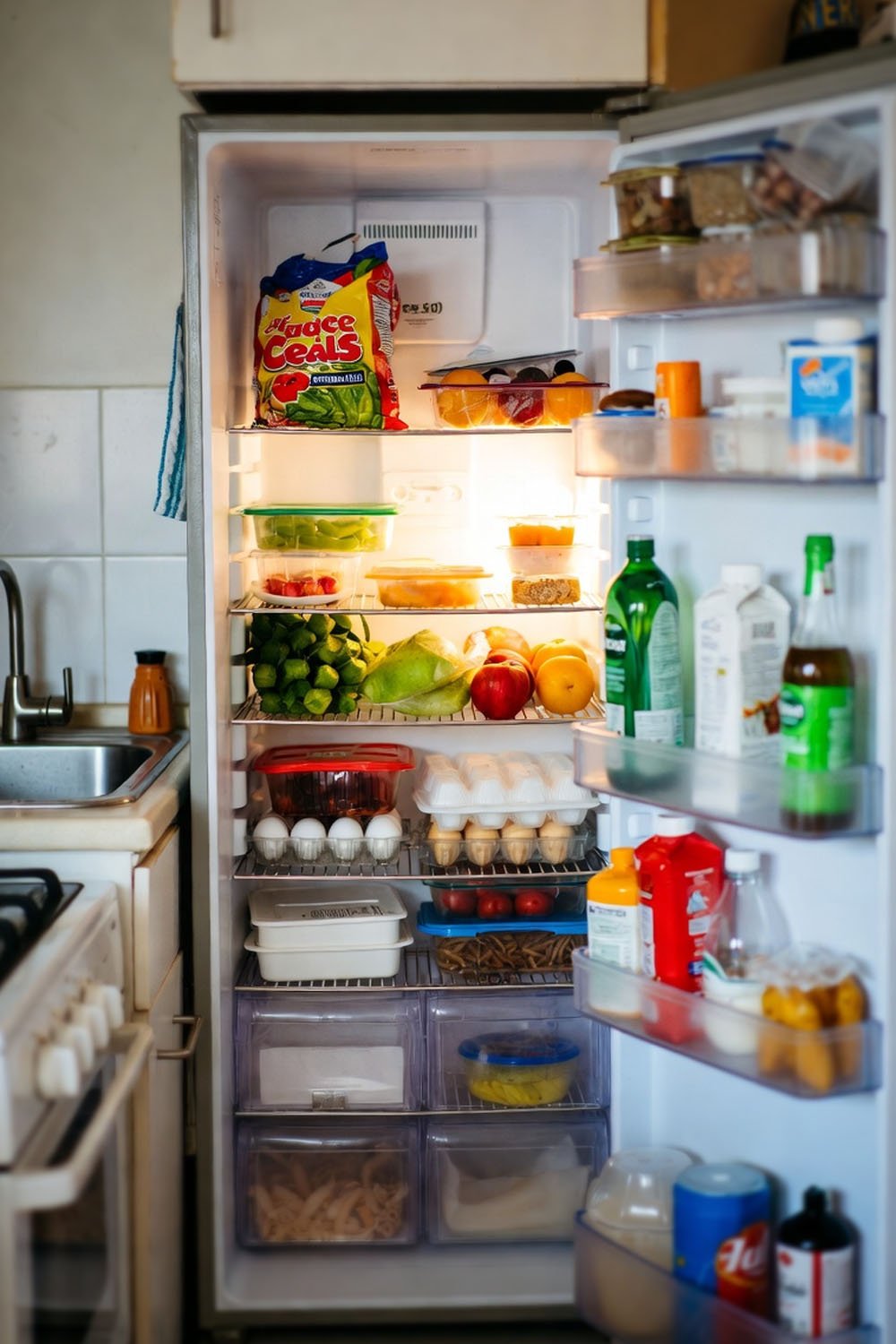
How to Stop Your Fridge From Sweating (Quick and Easy Steps)
Check the Door Gasket for Leaks
The rubber seal around your door is the only thing keeping the cold in and the heat out. Over time, these seals get brittle or covered in spilled juice. When they don’t stick to the fridge frame, warm air sneaks inside. I always tell my friends to do the flashlight test. Put a bright light inside the fridge at night and close the door. If you see light glowing through the cracks, your seal is toast.
You can often fix a leaky seal without buying a new one. Take a warm, wet rag and wipe away any crumbs or sticky spots on the rubber. Then, rub a very thin layer of Vaseline along the side that touches the fridge. This helps the rubber grab onto the metal and creates a much tighter bond. It's a cheap trick that saves me a lot of service calls.
If the rubber is actually torn or flat, you have to replace it. A new gasket is much cheaper than a new fridge or a huge power bill. You can usually pop the old one out and press the new one into the groove. Just make sure you soak the new seal in warm water first. This makes it soft and easy to work with so it fits perfectly on the first try.
- Wipe the seal with soapy water.
- Apply petroleum jelly to the rubber.
- Use a hair dryer to soften stiff spots.
- Check if the door hinges are straight.
Clear the Defrost Drain Hole
Every fridge has a tiny hole at the back to let water escape. This water usually flows down a tube into a pan underneath the fridge where it evaporates. If this hole gets plugged with a stray pea or a piece of plastic wrap, the water backs up. It has nowhere to go but onto the floor of your fridge. I see this happen in about half of the wet fridges I fix.
You can usually find the drain hole on the back wall near the bottom. It might be hidden behind a small plastic panel or a crisper drawer. If you see a puddle under your vegetable bins, this is almost certainly your problem. Use a soft pipe cleaner or a straw to gently poke through the clog. Don’t use anything sharp like a screwdriver because you might puncture the drain line.
Once you clear the solid junk, flush the hole with a turkey baster full of warm water. I like to add a teaspoon of bleach or vinegar to the water. This kills any slime or mold growing inside the tube. If the water doesn’t disappear quickly, keep flushing until it runs clear. You will hear a satisfying “glug” sound when the line is finally open and working again.
- Remove the bottom crisper drawers.
- Locate the small hole or trough.
- Flush with warm water and vinegar.
- Listen for water hitting the drain pan.
Adjust the Internal Temperature Settings
If your fridge is set too cold, it might actually sweat more. This sounds weird, but a super cold interior causes fast condensation when the door opens. The sweet spot is usually around 37 degrees. If you go much lower, you risk freezing your milk and making the back wall icy. When that ice melts during a defrost cycle, it can look like the fridge is sweating.
Check your dials or digital display to see where you’re at. Sometimes these knobs get bumped when you’re shoving a big pizza box inside. If your fridge uses a dial from one to ten, five is usually the safest bet. Use a cheap thermometer to get a real reading of the air inside. Don’t trust the built-in sensors too much since they can wear out over time.
You should also check the freezer temperature. If the freezer is struggling, it can cause the fridge side to act up. Keep the freezer at zero degrees for the best results. If you notice frost building up on the freezer walls, that moisture will eventually migrate to the fridge. Keeping both sides balanced is the secret to a dry and happy kitchen appliance.
- Set the fridge to 37 degrees.
- Set the freezer to 0 degrees.
- Avoid the “extra cold” settings.
- Use an independent thermometer to check.
Organize Food for Better Airflow
Air needs to move around inside the fridge to keep things dry. If you pack your shelves like a game of Tetris, the cold air gets trapped. This creates “cold spots” where moisture loves to settle. I often see people lean large bags of greens right against the back wall. This blocks the air vents and makes the fridge sweat like crazy in the corners.
Try to keep an inch of space between your items and the walls. This allows the internal fan to circulate air evenly over every shelf. If you have a “cool zone” or a special meat drawer, make sure it isn’t overflowing. Use clear bins to organize your snacks so air can flow under and around them. It also makes it easier to see what you have so you don’t leave the door open too long.
Think about the humidity sliders on your crisper drawers too. These little tabs actually work if you use them right. Leafy greens like high humidity, but fruits usually like it low. If your drawers are dripping with water, slide the tab to the “low” or “open” position. This lets some of the trapped moisture escape into the main fridge area where the cooling system can handle it.
- Leave gaps between food containers.
- Keep the back vents clear.
- Open crisper vents to lower moisture.
- Don’t overfill the door shelves.
Let Hot Food Cool Down First
Putting a steaming pot of chili straight into the fridge is a recipe for a soggy mess. That steam has to go somewhere, and it usually ends up as water on your ceiling and shelves. It also raises the temperature of everything around it. This makes the compressor work overtime to bring the heat back down. I always tell my customers to let food sit on the counter for a bit.
You don’t want to leave it out all night, but twenty minutes makes a huge difference. Once the steam stops rising, it’s usually safe to put away. If you're in a hurry, put the food in smaller, shallow containers. This helps the heat escape faster so it doesn’t create a localized weather system inside your fridge. It’s a simple habit that stops a lot of sweating issues before they start.
If you must put something warm inside, cover it tightly with a lid or wrap. This keeps the moisture inside the container instead of letting it coat your fridge walls. Most people forget that even cold leftovers release moisture if they aren’t covered. Glass containers with snap-on lids are the best for this. They keep the smells and the water exactly where they belong.
- Wait for steam to stop rising.
- Use shallow containers for fast cooling.
- Seal all leftovers with tight lids.
- Avoid putting large hot pots inside.
Check the Exterior Environment
Sometimes the problem isn’t inside the fridge at all. If your kitchen is very hot or humid, the fridge has to fight harder. I see this a lot in houses without air conditioning or in fridges kept in garages. High heat outside the box makes the cold surfaces inside more likely to collect water. Even a nearby dishwasher or oven can cause a temporary sweat fest.
Make sure your fridge has enough breathing room on the outside. Most models need a few inches of space on the sides and back to dump heat. If the fridge is shoved tightly into a cabinet, the heat builds up. This makes the cooling system run longer, which can lead to more condensation inside. Pull it out an inch or two and see if the sweating stops.
Lastly, check your house’s humidity level with a simple gauge. If your home is over 50 percent humidity, your fridge is going to struggle. Running a dehumidifier in the kitchen during the summer can solve the problem instantly. It's often cheaper to dry out the room than it is to keep repairing a fridge that's working in a swamp-like environment.
- Move the fridge away from the wall.
- Check the room’s humidity level.
- Keep the fridge away from ovens.
- Clear dust from the bottom coils.
Can a Broken Fan Cause my Fridge to Sweat?
Yes, a broken evaporator fan is a major reason for moisture buildup. This fan is usually located in the freezer section and blows cold air into the fridge. If it stops spinning, the air inside stays still. Stagnant air gets warm and humid very quickly, which leads to heavy sweating on the walls and shelves. You might also notice that the fridge feels warm while the freezer is still freezing.
You can usually tell if the fan is dying by the sound. If you hear a high pitched squeal or a rattling noise, the fan motor is on its way out. If the fridge is silent but warm, the motor might be totally dead. Replacing a fan is a mid-level repair that most people can do with a screwdriver. It's much cheaper than replacing the whole unit.
When the fan fails, the cooling coils can also frost over completely. This blocks any air from moving at all. If you see ice building up on the back panel of the freezer, your fan is likely the culprit. Unplug the fridge and let it melt, then check the fan for any blockages like ice or a loose wire. Fixing the air movement is the best way to keep things dry.
- Listen for unusual motor noises.
- Check for air coming from vents.
- Look for ice in the freezer.
- Feel for warm spots in the fridge.
- Test the fan blade with your hand.
- Ensure the door switch works.
Final Thoughts
Solving the mystery of why is my refrigerator sweating inside doesn’t require a degree in engineering. Most of the time, it’s just a matter of cleaning a seal or moving a bag of carrots away from a vent. Take a deep breath and try these simple steps first. You’ve got this, and your groceries will thank you for the dry home. Start with the drain hole and go from there.
| Problem | Likely Cause | Easy Fix |
| Water on shelves | Blocked air vents | Rearrange food for airflow |
| Puddle at bottom | Clogged drain hole | Flush with warm water |
| Droplets on ceiling | Leaky door seal | Clean or replace gasket |
| Wet back wall | Hot food inside | Let food cool before storing |
| Constant sweating | High room humidity | Use a dehumidifier |
| Warm and wet | Broken evap fan | Replace the fan motor |
Frequently Asked Questions (FAQs)
Is it normal for a fridge to have some condensation?
A tiny bit of moisture can be normal if the weather is very humid or if you just opened the door. However, you should not see big drops or puddles. If you have to wipe it down every day, there is an issue with the air seal or the drainage.
Can I fix a clogged drain hole myself?
You can definitely handle this task without a pro. Use a turkey baster and warm water to flush out the debris. If the clog is stubborn, a soft pipe cleaner usually does the trick. Just be gentle so you don’t damage the plastic tubing inside the walls.
Do I need to replace my fridge if it sweats?
Not usually. Sweating is almost always caused by a maintenance issue rather than a total mechanical failure. Before you go shopping for a new one, check the seals and the drain line. Most people find that a ten dollar fix solves the problem for good.
Is it okay to use a hair dryer on the seals?
Yes, a hair dryer is a great tool for fixing a stiff door gasket. Use it on a low heat setting to soften the rubber so it can reshape itself. This helps the seal make full contact with the metal frame. Just don’t get it too hot or you might melt the plastic.
Can a dirty condenser coil cause sweating?
While dirty coils usually cause cooling problems, they can lead to sweating indirectly. When coils are dusty, the fridge runs much longer to stay cold. This extra run time can lead to more ice on the evaporator, which eventually melts and creates moisture inside the cabinet.
Do I have to cover all my food?
You really should cover everything you put in the fridge. Uncovered food releases moisture into the air as it sits. This moisture then turns into condensation on the cold walls. Using lids or wraps keeps the inside of your fridge much drier and prevents weird smells.
Is it bad if my crisper drawers are wet?
Wet drawers can make your vegetables rot much faster. This usually happens because the humidity setting is too high or the drawer is overstuffed. Open the vents on the drawer to let air circulate. You can also put a paper towel at the bottom to soak up extra water.
Can a tilted fridge cause water buildup?
If your fridge tilts forward, the door might not close all the way on its own. It can also prevent water from flowing into the drain hole at the back. Make sure your fridge is level or tilted slightly backward. This helps the door stay shut and the water flow correctly.
