
As an Amazon Associate, I earn from qualifying purchases at no extra cost to you.
Why is there Condensation in My Refrigerator (Fix It Fast)

I once found a literal puddle under a crisper drawer that was deep enough for a toy boat. Most people think their fridge is dying when they see water beads on the back wall. It’s actually just physics acting up because of why is there condensation in my refrigerator.
Check the door seals for any tiny gaps by using a flashlight inside the dark fridge at night. Clean the condenser coils under the unit to help the system breathe and shed heat. Level the front legs so the door swings shut on its own with a gentle nudge. Unclog the tiny drain hole at the back with a piece of flexible wire or a straw. Keep hot leftovers on the counter until they cool down before you put them inside. Arrange your groceries to allow air to flow around every single shelf and bin.
Why Do I See Water Droplets on My Fridge Walls
You might think your fridge is leaking from the inside, but it’s usually just basic humidity. When warm, wet air from your kitchen hits the cold plastic or metal walls, it turns back into liquid. This is exactly how dew forms on grass during a chilly morning. If you open the door too often or leave it cracked, you’re inviting the whole room’s moisture inside to settle.
A little bit of frost or a few drops on the back wall is actually normal for most modern units. These machines go through a defrost cycle where the ice melts and runs down a drain. The problem starts when that water has nowhere to go or if the air stays too humid. You’ll notice the droplets getting bigger or even freezing into thick sheets of ice if the balance is off.
I see this most often during the hot summer months when the AC isn’t running. Your fridge has to work double time to keep things cold while battling the thick air. If the internal light stays on because of a bad switch, that tiny bit of heat can also cause constant sweating. Check the simple things first before you assume the compressor is failing or call for a pro.
- Wipe down the walls with a dry cloth to see how fast the water returns.
- Check if your kids are leaving the door open while they decide on a snack.
- Verify the temperature is set between 37 and 40 degrees Fahrenheit.
- Look for any food items touching the back wall and moving them forward.
- Ensure the fridge is not pushed too tightly against the kitchen wall.
- Test the door gasket with a dollar bill to see if it slides out easily.
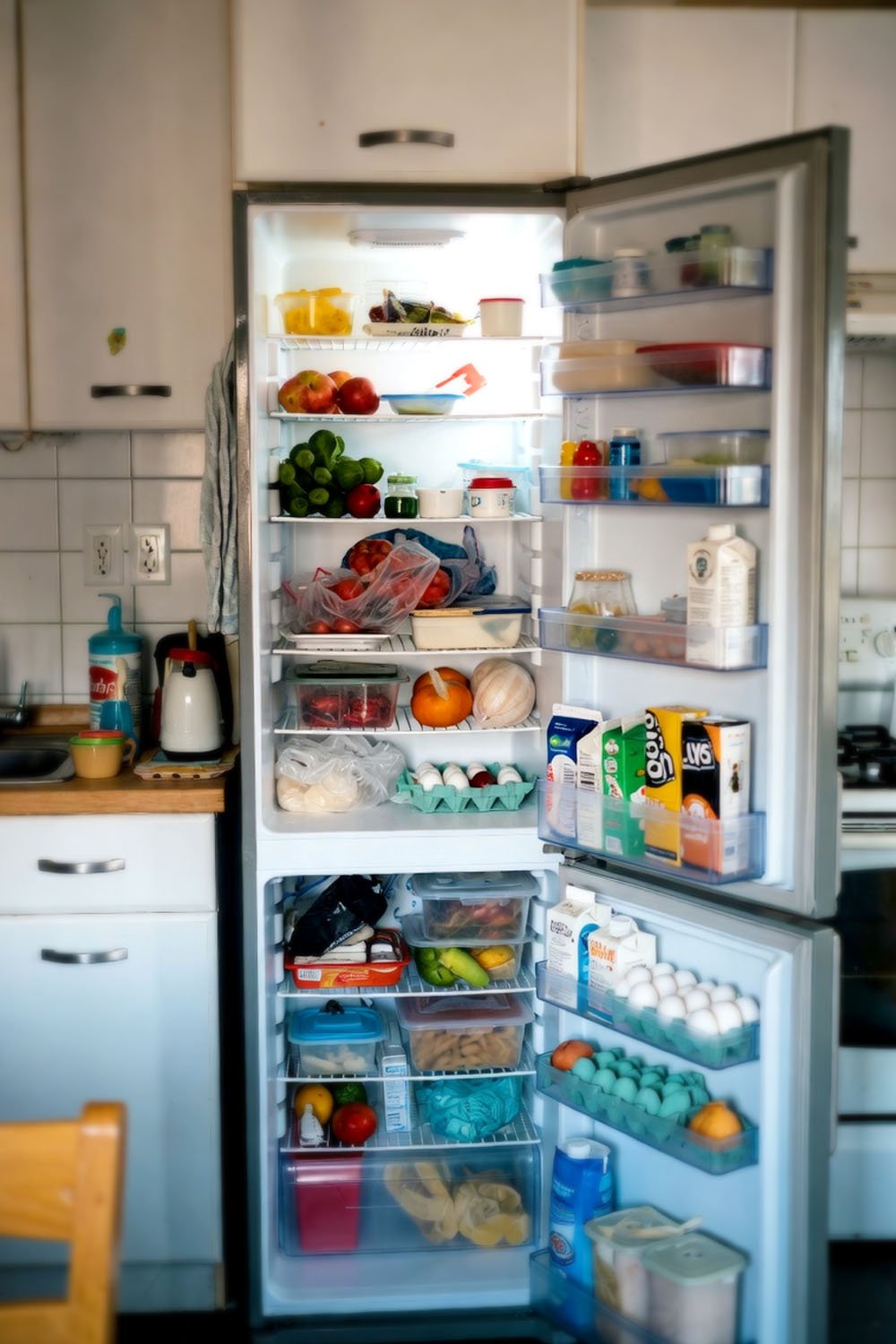
Ways to Fix Condensation in Your Refrigerator (Simple Steps)
Clean the Rubber Door Seals
The rubber gasket on your door is the only thing keeping the swampy kitchen air out of your cold milk. Over time, spilled jelly or crumbs get stuck in the folds and create tiny gaps. Even a hole the size of a pin lets in enough air to cause massive sweating. I always tell folks to scrub these seals with warm soapy water and a soft toothbrush.
Once the seal is clean, you need to check if it’s still soft and squishy. If the rubber feels hard or brittle, it won’t pull tight against the metal frame of the fridge. You can sometimes revive a stiff seal by rubbing a thin layer of Vaseline into the rubber. This helps it grab the surface better and fills in those microscopic cracks that allow air to leak through.
If you see a spot where the seal is crushed, try using a hair dryer on a low setting. Heat the rubber gently until it becomes flexible, then pull it back into its original shape. Close the door and let it cool down while it’s pressed against the frame. This “memory” trick saves my customers a lot of money on replacement parts every single year.
- Wash the seals every three months to prevent mold and sticky buildup.
- Check the bottom edge of the door where spills usually collect and harden.
- Use a flashlight inside the fridge to spot light leaking through the gaps.
- Replace the entire gasket if you find any visible rips or deep tears.
Clear the Defrost Drain Hole
Almost every fridge has a small hole at the back designed to catch melting ice. This water is supposed to travel down a tube into a pan underneath where it evaporates. If a stray pea or a piece of plastic wrap falls into that hole, the water backs up. Eventually, that water overflows and pools under your vegetable drawers or leaks onto the floor.
You can usually find this drain on the back wall, just above the floor of the main section. If you see a sheet of ice covering it, you’ll need to melt it with a turkey baster full of hot water. Don’t use a hair dryer inside here because you might melt the plastic liner of your fridge. Just keep flushing it with warm water until you hear it gurgling down into the pan.
I like to use a flexible piece of weed whacker line to poke through the tube once the ice is gone. It’s stiff enough to push out gunk but soft enough that it won’t puncture the drain line. If the water still won’t go down, the clog might be deeper in the back. Usually, a good flush with a mix of bleach and water keeps the algae from growing back.
- Look for a small V-shaped trough on the back wall of the unit.
- Avoid using sharp metal hangers that can poke holes in the plastic.
- Check the drain pan under the fridge for any bad smells or slime.
- Keep the area around the drain clear of any loose food or bags.
Level the Fridge Legs Properly
If your fridge leans forward, the door might feel closed when it’s actually hanging open a half-inch. This tiny crack is a disaster for humidity levels and makes the motor run until it dies. Most people forget that refrigerators have adjustable feet or rollers at the bottom. You want the front of the machine to be slightly higher than the back so gravity does the work.
Grab a carpenter’s level or even a round marble to check the slope of the top of the fridge. You should see the marble roll slowly toward the back of the machine. If it stays still or rolls toward you, the door won’t have enough weight to pull itself shut. Use a wrench to turn the front feet clockwise to raise the unit up just a bit.
I’ve seen many “broken” fridges that just needed a simple twist of a leg to stop the sweating. When the cabinet is level, the door hinges line up perfectly and the seal makes full contact. If your floor is uneven, you might need to use a shim or a piece of wood. A well-tilted fridge is the cheapest way to stop condensation from forming on your shelves.
- Adjust the legs so the door closes on its own from a 45-degree angle.
- Remove the bottom plastic grill to reach the leveling bolts or screws.
- Check the level from side to side as well to prevent shelf rattling.
- Ensure the fridge is stable and doesn’t rock when you pull the handle.
Manage Your Hot Food Better
Putting a steaming bowl of leftovers into a cold fridge is like asking for a rainstorm. That steam has nowhere to go, so it immediately clings to the cold surfaces as droplets. I know you want to get the food put away quickly, but you’re actually hurting your fridge. The extra heat makes the compressor work way too hard and spikes your electric bill.
Let your food sit on the counter for about twenty minutes to reach room temperature first. If you’re in a hurry, put the hot pot in a sink full of cold water to chill it fast. You also want to make sure every container has a tight lid or a good layer of wrap. Even cold food like cut watermelon can release enough moisture to cause a fog inside the cabinet.
I always suggest using glass containers with snap-on lids because they trap moisture better than foil. If you have a lot of open produce, keep it in the crisper drawers which are built to handle humidity. Don’t overstuff the shelves either, as air needs to move to keep things dry. Proper food storage is the secret to a dry and happy refrigerator interior.
- Use shallow containers to help food cool down faster on the counter.
- Avoid placing large pots of soup in the fridge while they are still hot.
- Cover all liquids and fruits that have high water content very tightly.
- Wait until the steam stops rising before you shut the fridge door.
Check the Internal Air Vents
Your fridge stays cold by blowing air from the freezer section through a series of small vents. If you stack a giant box of Costco pizza right in front of those vents, the air gets trapped. This creates “cold spots” and “warm spots” inside the same compartment. When those two air temperatures meet, you get condensation and eventually a lot of annoying frost.
Take a minute to find where the air comes out, usually at the top or the very back. Leave at least two inches of space around these openings so the air can circulate freely. I often see people cramming their fridges so full that the air can’t even move past the top shelf. If the air stays still, the moisture in the air will settle on your jars and bottles.
Think of your fridge like a lungs that need to inhale and exhale to stay healthy. If you block the vents, the sensors get confused and think the fridge is too warm. Then the cooling system stays on way too long, making the back wall freeze and then drip. Rearranging your groceries once a week can solve most of your moisture problems without any tools.
- Keep the top shelf clear of tall items that block the main air vent.
- Look for frost buildup directly on the vents which signals a bigger issue.
- Organize your shelves so there is a clear path for air to flow down.
- Don’t hang bags or organizers over the side vents in the freezer.
Fix the Ice Dispenser Flap
If your fridge has an ice maker in the door, there is a little trap door called a “chute flap.” This flap opens when you want ice and should snap shut immediately after. If a small cube gets stuck in the door, it stays open just a crack. This is like leaving a window open in a snowstorm, as warm air rushes right into the cold freezer.
When this happens, you’ll see water dripping down the front of the dispenser or ice building up in the chute. Check the flap by looking up into the dispenser with a flashlight to see if it’s seated flat. Sometimes the spring gets weak or the plastic gets warped from years of use. You can usually clean the edges of the flap to make sure it closes all the way.
I’ve fixed many “leaky” fridges just by clearing a single crushed ice chip from this door. If the flap is broken, it’s a cheap part that you can usually swap out in ten minutes. It's one of those hidden spots that most people never think to check. Keeping that little door tight will stop your fridge from sweating like it just ran a marathon.
- Inspect the dispenser area for any signs of melting ice or moisture.
- Listen for a “click” after you get ice to ensure the door shut.
- Clean any mineral deposits off the flap seal with a bit of vinegar.
- Test the flap by pushing it with your finger to see if it snaps back.
What Happens if I Ignore the Moisture
Leaving water to sit in your fridge is an invitation for mold and mildew to move in. Those black spots you see on the seals or in the corners are living organisms that love damp spots. Once mold starts growing, it can get into your food and make everything smell like an old basement. It also ruins the flavor of fresh items like butter or open milk.
Constant moisture also starts to rot the metal components and the wiring inside the walls. I’ve seen expensive fridges get tossed in the trash because the frame rusted out from the inside. Water can also seep into the light switches or the thermostat and cause a short circuit. Fixing a small drip now is much cheaper than buying a whole new appliance next month.
Lastly, a wet fridge is a sign of an inefficient fridge that is wasting your money. If there is water, it means the machine is struggling to keep a steady temperature. Your compressor will run constantly, which shortens its life and adds a lot to your monthly power bill. Taking ten minutes to dry it out and find the cause is the smartest thing you can do.
- Check the back of the crisper drawers for hidden mold growth.
- Sniff for a “musty” odor which means water is trapped somewhere.
- Watch for rust spots on the wire shelves or the bottom floor.
- Monitor your electric bill for any sudden or unexplained jumps.
- Look for soggy cardboard egg cartons or limp vegetables.
- Wipe down any standing water immediately to prevent floor damage.
Final Thoughts
You now have all the secrets to stop why is there condensation in my refrigerator without spending a fortune on a repairman. Most of these fixes just take a bit of cleaning and some common sense about how you store your food. Keep those seals clean and the vents clear to keep things dry. You’ve got this, so go grab a cloth and give that fridge some love.
| Problem | Likely Cause | Easy Fix |
| Water on back wall | Blocked drain hole | Flush with warm water |
| Sweaty door seals | Dirty or torn gasket | Clean with soap or replace |
| Puddles on floor | Clogged defrost tube | Clear with weed whacker line |
| Foggy shelves | Hot food inside | Let food cool before storing |
| Ice in dispenser | Flap stuck open | Remove stuck ice cubes |
| Damp crispers | Poor air circulation | Rearrange food away from vents |
Frequently Asked Questions (FAQs)
Is it normal to have some water on the back?
Yes, it is totally normal for many fridges to have small beads of water on the back wall. This happens during the cooling process and usually disappears during the defrost cycle. However, if that water turns into a thick sheet of ice or a puddle at the bottom, you have a problem.
Can a dirty coil cause condensation?
It sure can. When the coils under or behind your fridge are covered in dust and pet hair, they can’t release heat. This makes the whole unit run too hot and prevents it from removing moisture from the air. Vacuuming those coils twice a year will keep the interior much drier.
Do I need to replace my seals every year?
No, you shouldn’t have to replace them that often if you take care of them. Most door seals last five to ten years if you keep them clean. If you notice they are cracked, hard, or no longer magnetic, then it is definitely time to buy a new set.
Is it okay to use a hair dryer to melt ice?
I would be very careful with that. The plastic inside your fridge can melt or warp very easily if it gets too hot. If you must use one, keep it on a low setting and keep it moving. Using a bowl of hot water is much safer for the fridge.
Can I fix a clogged drain myself?
You absolutely can, and it’s one of the easiest DIY jobs. You just need some warm water and something flexible to poke through the hole. It saves you a hundred-dollar service call for something that takes less than ten minutes to do. Most people find it quite satisfying.
Do I have to leave my fridge empty to dry it?
You don’t have to empty the whole thing, but it helps to clear the area where the water is. This gives you room to wipe the walls and check the vents. If the moisture is everywhere, taking everything out for a deep clean is a great idea to start fresh.
Can high humidity in the house affect the fridge?
Yes, if your kitchen is very humid, every time you open the door, that wet air rushes in. This is very common in the summer or if you do a lot of boiling on the stove. Running a dehumidifier or a kitchen vent fan can help keep the fridge dry.
Is it bad if the water smells?
If the water in your fridge smells, it usually means there is bacteria or mold growing in the drain pan or the tubes. You should flush the system with a mixture of water and a tiny bit of bleach. This kills the germs and gets rid of that funky odor.
