
As an Amazon Associate, I earn from qualifying purchases at no extra cost to you.
How Much Water Does a 10 Minute Shower Use (Real Numbers)

Ten minutes doesn’t sound like much, until you realize water’s been running the whole time. Most folks never stop to think about gallons per minute, they just want to get clean and get on with the day. But here’s the thing, the real number depends a lot on your showerhead, your water pressure, and honestly, a few habits you probably don’t even notice you have. Stick around, and you’ll walk away knowing exactly how much water your own shower burns through, plus a few easy ways to cut it down.
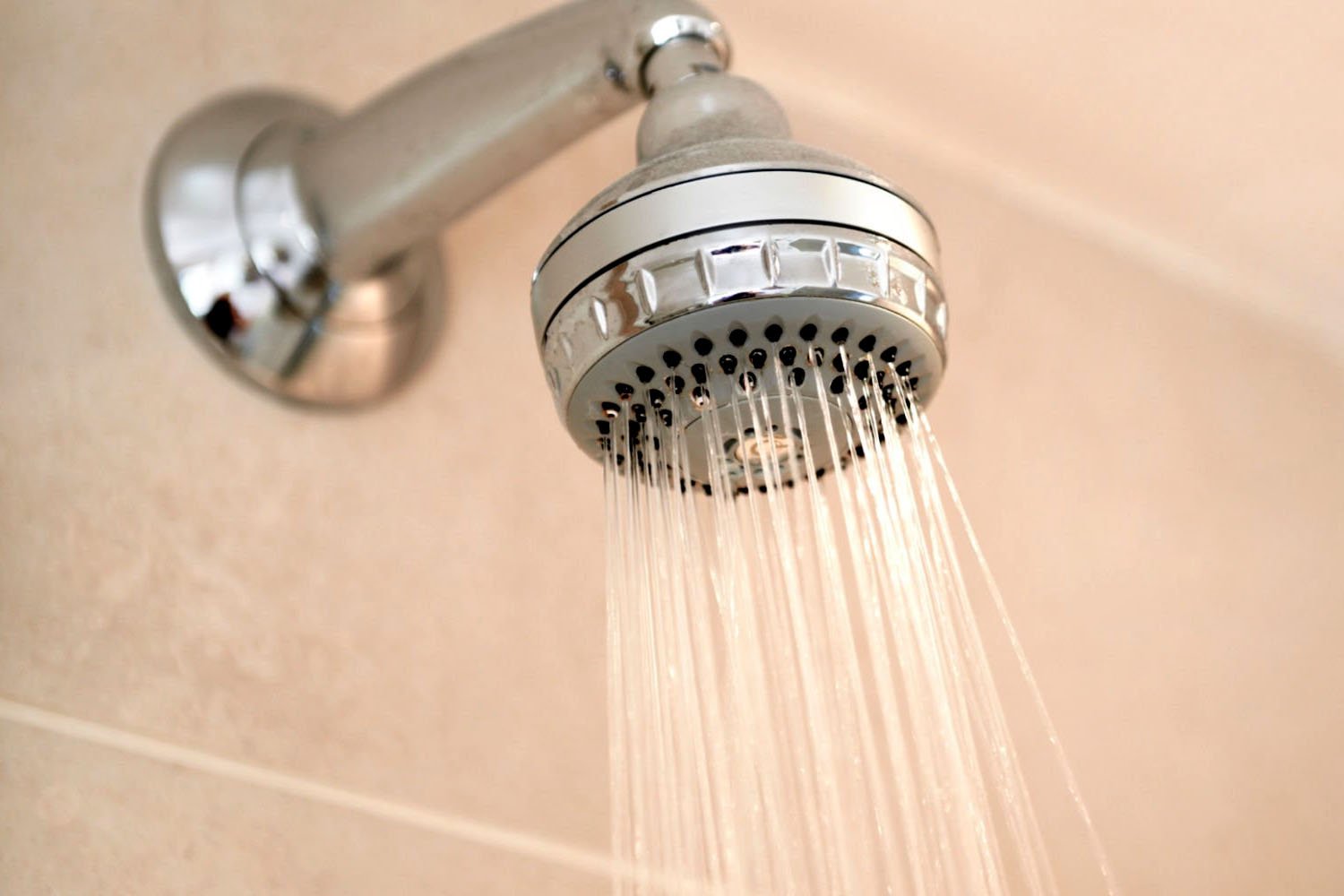
You can expect a 10 minute shower to use somewhere between 20 and 50 gallons, and yeah, that’s a huge range. Old showerheads are the worst offenders, some push out 5 gallons a minute or more, while newer low flow ones sip closer to 2. Go check your showerhead right now, there’s usually a little number stamped on it somewhere. Found it? Multiply that by 10, and boom, that’s roughly what your shower’s costing you in water.
Why Does Shower Length Matter for Water Use?
Every extra minute means more water down the drain, no way around that. Length and flow rate work as a team here, and honestly, one without the other doesn’t tell the whole story.
Showerhead Flow Rate Basics
Flow rate is just a fancy way of saying how much water comes out per minute, measured in GPM. Back in the day, a standard showerhead might blast out 5.5 GPM, which honestly seems wild now. Newer ones, thanks to federal rules that kicked in years ago, cap out around 2.5 GPM or even lower.
Old Showerheads Vs New Models
If your house still has its original showerhead, chances are that thing is the biggest water hog in the whole bathroom. Swap it for something WaterSense certified, and you’ll likely cut water use by 30 percent or more. Best part? You probably won’t even notice a drop in pressure.
Water Pressure And Usage
Here’s something people miss, strong water pressure pushes more gallons through, even if the showerhead itself is rated low. So if your place has that satisfying, strong pressure, your actual usage might be higher than the label promises. Worth doing a quick bucket test just to be sure.
Common Habits That Waste Water
Be honest, how often do you stand there shaving or just zoning out while water keeps running? Those extra minutes sneak up fast, turning what should’ve been a quick rinse into something way longer than planned.
Hot Water Tank Effects
Waiting around for hot water to show up wastes plenty before you’ve even stepped in. Homes with tankless heaters, or a recirculating pump, skip a lot of that waiting since hot water shows up almost right away.
Average Household Water Numbers
The average American household goes through nearly 300 gallons a day, and showers eat up a big chunk of that. Shave off even a couple minutes daily, and by the end of the year, that’s real savings sitting in your pocket.
Small tweaks really do add up, more than people expect honestly. None of these take much effort, and most cost basically nothing to try.
- Check your showerhead’s GPM rating on the box or base
- Test water pressure with a timed bucket fill
- Swap old fixtures for WaterSense certified models
- Skip running water before you actually step in
- Watch for hidden leaks near the shower valve
- Track your water bill monthly to spot changes early
How to Cut Water Use During a 10 Minute Shower
Small swaps, small habits, neither one needs a big budget or a plumber. Here’s what actually moves the needle, step by step.
Switch To A Low Flow Showerhead
Low flow showerheads lean on aerators or pressure compensating tech to keep the spray feeling strong while using way less water. Most hardware stores sell them for under 20 bucks, and swapping one in takes maybe ten minutes with a wrench, nothing fancy. Look for that WaterSense label, it’s basically a guarantee the flow rate meets government efficiency standards. Once it’s in, most people barely notice a difference in pressure, but the water bill definitely notices.
Time Your Shower With A Clock
Grab a kitchen timer or just set a phone alarm, and suddenly shower length stops being a mystery. Pick a number that feels doable, then race the clock a little each time. After a few weeks, this stops feeling like a chore and just becomes normal. Got teenagers in the house? This trick works wonders, since shower times tend to creep up without anyone realizing it.
Turn Off Water While You Lather
Shutting off the water while shampooing or shaving saves a surprising amount, and it costs you zero extra time overall. Flip it back on to rinse, and by week’s end, the total water used drops noticeably. Feels a little awkward at first, especially in a chilly bathroom, but most people get used to it fast. Combine this with a low flow showerhead, and the savings really start stacking up on the bill.
Fix Leaks Around The Showerhead
A dripping showerhead wastes water even when nobody’s in there, sometimes hundreds of gallons a month just quietly disappearing. Check where the showerhead connects to the pipe, tighten it up with a wrench if it’s loose. Old rubber washers wear out over time too, causing those slow drips that add up more than you’d think. A new washer costs a few bucks and usually fixes the whole thing in minutes.
Lower The Water Heater Temperature
Set the water heater too high, and people end up adding more cold water just to make it bearable, which pulls more gallons overall. Dial the thermostat down to around 120 degrees, and water stays plenty hot while using less at the tap. Bonus, this also cuts down on standby heat loss from the tank itself. Most water heaters actually mark the recommended range right on the dial.
Track Your Monthly Water Bill
Keeping an eye on the water bill month to month reveals stuff you’d never catch day to day, like a slow leak or creeping shower times. Compare bills across seasons too, since usage shifts with weather and, let’s be real, houseguests. A sudden spike usually means something specific is going on, a running toilet, a leaky hose, something. Catch it early, and it saves money before it turns into a bigger headache.
None of this requires huge sacrifice, and most of these pay for themselves within a few months. Just pick two or three to start with, then build from there once they feel like second nature.
- Install a WaterSense certified showerhead
- Set a timer for shower length
- Turn off water during lathering or shaving
- Check and fix any leaks near the valve
- Keep water heater temperature around 120 degrees
- Review water bills every month for changes
How Many Gallons Does a Shower Use Every Minute?
Flow rate answers this one pretty directly, and it’s usually printed right on the showerhead itself. Older fixtures push out 4 to 5 gallons a minute, which sounds small until those minutes start piling up. Newer low flow models cut that down to around 1.5 to 2 gallons a minute, nearly slashing the total in half for the exact same shower length. That’s honestly the whole reason two neighbors with identical shower habits can end up with wildly different water bills.
Checking your own flow rate takes about sixty seconds, and it clears up a lot of guesswork fast. Grab a bucket with gallon markings, run the shower into it for exactly one minute, then read the number off. That one little test tells you more than any online chart, since every home’s plumbing is a bit different. Once you know that number, it becomes the starting point for pretty much every water saving decision from here on out.
- Time water flow into a bucket for one minute
- Compare the result to the showerhead’s rated GPM
- Note the difference between old and new fixtures
- Multiply GPM by shower length for a rough total
- Retest after installing any new showerhead
- Keep the number handy for future water bill checks
Is a Bath More Water Than a Shower?
Generally, yeah, baths use more water than a quick shower, though it really depends on tub size and how long that shower runs. A standard bathtub holds around 35 to 50 gallons when filled up comfortably, while a 10 minute shower with a low flow head might land closer to 20 gallons. That said, a long shower with an old high flow showerhead can easily catch up to or beat a bath, so it’s not always so cut and dry.
Habits matter just as much as the fixture itself here, since a quick 5 minute shower beats any bath by a mile. Families going back and forth on this should really think about how they actually use each option, not just whatever reputation baths or showers carry. Kids especially love to linger in the tub, adding extra fill ups or hot water top offs along the way.
- Compare tub capacity to shower flow rate directly
- Time actual shower length instead of guessing
- Watch for extra hot water top offs during baths
- Consider low flow fixtures for either option
- Factor in how often each method gets used
- Track water bills across a month for real comparison
How Much Does a 10 Minute Shower Cost You?
Cost hinges on both your local water rates and how much energy it takes to heat that water, so this number swings a lot depending on where you live. On average, a 10 minute shower with a standard showerhead runs somewhere between 20 and 50 cents, counting water and heating together. Areas with pricier utilities, or electric water heaters, tend to land on the higher end, while gas heated water usually costs less per gallon.
Stretch that daily cost across a full year, and suddenly the number gets a lot more noticeable, especially in bigger households. A family of four showering every day could easily spend over 100 dollars a year on shower water and heating alone, sometimes way more depending on habits. Small efficiency upgrades often pay for themselves within a single season once you actually run the math.
- Check local water rates per gallon or unit
- Factor in gas versus electric heating costs
- Multiply daily shower cost by days in a year
- Compare costs before and after fixture upgrades
- Watch for seasonal rate changes on utility bills
- Track savings after switching to a low flow head
What Is a Good Water Saving Shower Routine?
A good routine starts before the water even turns on, honestly. Laying out soap, shampoo, and a towel ahead of time cuts down on standing around once the water’s flowing. From there, a quick warm up followed by an efficient wash keeps things reasonable without feeling rushed.
Turn the water off during soap up, then back on for a quick rinse, and that alone shaves off several minutes of flow time most days. Pair that habit with a low flow showerhead, and the savings multiply since less water flows during every minute used. Give it a few weeks, and these small changes just become second nature, barely something you think about anymore.
- Prep soap and towel before turning on water
- Keep warm up time under one minute
- Shut off water during soap and shampoo steps
- Rinse quickly rather than lingering under the stream
- Pair routine changes with a low flow showerhead
- Review shower length weekly to track progress
Final Thoughts
I hope this made shower time feel a little less mysterious and a lot more manageable. A timer, a few small swaps, and just paying a bit more attention go further than you’d think. Nobody has to suffer through a cold, rushed shower to save water, just smarter habits and better fixtures doing the heavy lifting together.
| Shower Type | Flow Rate (GPM) | Water Used in 10 Minutes |
|---|---|---|
| Old standard showerhead | 5.0 GPM | 50 gallons |
| Mid range showerhead | 3.5 GPM | 35 gallons |
| Low flow showerhead | 2.5 GPM | 25 gallons |
| WaterSense certified head | 1.75 GPM | 17.5 gallons |
| Handheld shower head | 2.0 GPM | 20 gallons |
| Rainfall shower head | 4.0 GPM | 40 gallons |
| Standard bathtub fill | N/A | 35-50 gallons |
| Average daily shower (8 min) | 2.5 GPM | 20 gallons |
| High pressure old fixture | 6.0 GPM | 60 gallons |
| Water saving combo shower | 1.5 GPM | 15 gallons |
Frequently Asked Questions
Is a 10 Minute Shower Considered Long?
Ten minutes is honestly right around average for most people, though water conservation folks usually push for closer to 5 minutes if real savings matter to you. Go longer than that, especially with an old high flow showerhead, and both your water bill and energy costs start climbing noticeably.
Can a Low Flow Showerhead Really Save Water?
Yep, low flow showerheads genuinely cut water use by 30 to 50 percent compared to older fixtures, and you won’t sacrifice much pressure doing it. Most modern designs use aerators or pulse tech to keep that strong spray feeling while actually pushing far less water through.
Are Older Showerheads Really That Much Worse?
Older showerheads, especially anything made before 1992, often blast out 5 gallons a minute or more, nearly double what newer models use. Stack that up over a full year of daily showers, and you’re looking at thousands of extra gallons, plus higher water and heating bills to match.
Do Water Saving Habits Actually Make a Difference?
Small habits, like turning off water while lathering or setting a timer, genuinely add up more than you’d expect over time. Sure, one shower might only save a gallon or two, but multiply that across a household and a full year, and the savings become pretty significant.
Does Water Pressure Affect How Much a Shower Uses?
Yes, and this trips people up a lot, higher water pressure pushes more gallons through per minute even when the fixture’s rated for less. Homes with strong municipal pressure, or a booster pump, often use more water than the label suggests, which is exactly why that bucket test is worth doing.
Should Families Track Their Shower Water Use?
Honestly, yes, tracking helps families catch expensive habits early, especially with teenagers or multiple showers happening daily. A simple monthly bill check, paired with the occasional flow rate test, catches leaks and waste before they turn into a real financial headache.
Will Switching Showerheads Lower My Water Bill?
Switching to a WaterSense certified showerhead usually shows up on the very first billing cycle, since the flow rate drops right away. Pair that with shorter shower times, and plenty of households notice a real difference in both water and energy costs within just a few months.
Do Tankless Water Heaters Change Shower Water Use?
Tankless heaters won’t change the showerhead’s flow rate, but they do cut down on water wasted just waiting for hot water to show up. That makes overall shower related water use a bit lower, especially in bigger homes where hot water used to take forever reaching the bathroom.
