
As an Amazon Associate, I earn from qualifying purchases at no extra cost to you.
How to Cook Baked Potato in Air Fryer (How Long It Takes)

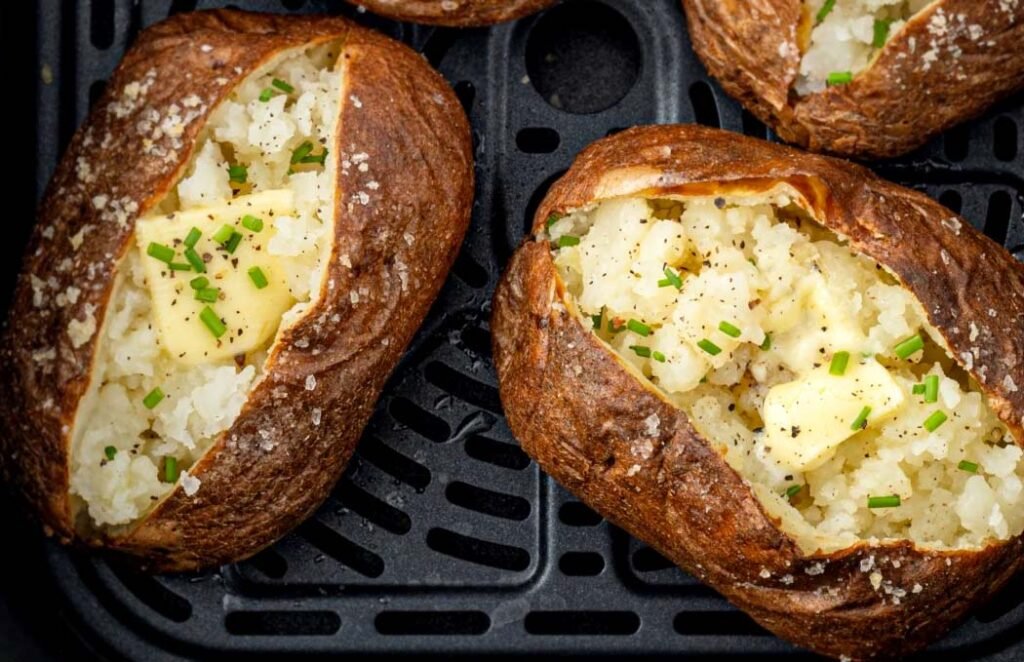
Your air fryer is sitting on the counter, and you're ready for a perfectly fluffy baked potato with crispy skin. But you're not sure about the exact time, temperature, or how to get that golden-brown finish. It feels frustrating when simple food becomes a puzzle. This guide will walk you through every step, and I’ll show you exactly how to achieve your best air fryer potato yet.
The most common reason your air fryer baked potato isn’t cooking evenly or getting crispy is improper preparation or setting the wrong temperature. You need to pierce the potato skin, lightly oil it, and choose a temperature around 400°F (200°C) for about 30-40 minutes, flipping halfway. Your air fryer might need specific adjustments, so follow along for your best results.
Reasons Your Air Fryer Potato Isn’t Perfect
You want that perfectly cooked baked potato from your air fryer, but sometimes it comes out too soft, not crispy enough, or unevenly cooked. Understanding the common pitfalls helps you avoid disappointment and get a delicious result every time you use your machine. This section explores why your potatoes might not be hitting that sweet spot.
Potato Selection
Choosing the right potato is the first step toward an amazing baked potato. You need a starchy variety that holds its shape and gets fluffy inside. Avoid waxy potatoes, as they don’t bake up as well.
The potato variety greatly impacts the texture. Russets are the classic choice for baking because their high starch content allows them to become incredibly fluffy and light. Your other potato options might not yield the same classic baked potato experience.
For the best results, always grab Russet potatoes. Look for ones that are firm, have smooth skin, and no blemishes or soft spots. Your success starts with the right foundation.
Prick the Skin
Many people skip this simple step, but it's crucial for a good baked potato. You need to puncture the skin a few times before cooking. This allows steam to escape during the cooking process.
If you don’t pierce the skin, the steam has nowhere to go. This can cause the potato to explode in your air fryer or result in a gummy, wet interior. Your potato needs a way to breathe while it cooks.
Before you do anything else, take a fork and poke holes all over the potato. Aim for about 6 to 8 pricks spaced evenly around its surface. This is a quick step that makes a big difference.
Oiling and Seasoning
Adding a bit of oil and salt to the potato skin before it goes into the air fryer is not just for flavor. It's essential for achieving that sought-after crispy skin texture. The oil helps conduct heat and crisps the skin beautifully.
Using the wrong type of oil or too much can lead to a greasy potato. You want just enough to lightly coat the surface. Your seasonings, like salt and pepper, will adhere better to an oiled surface.
Lightly brush your potato with your favorite cooking oil, like olive oil or avocado oil. Then, sprinkle it generously with salt. This simple preparation is key for your crispy skin goal.
Air Fryer Temperature
The temperature you set on your air fryer is incredibly important for baking potatoes. Too low, and the potato won’t get crispy; too high, and the outside might burn before the inside is cooked. You need the right balance for that perfect bake.
Each air fryer model can vary slightly in its actual temperature output. Your machine might run hotter or cooler than indicated on the dial. It’s often best to check your appliance’s calibration if you suspect an issue.
Start with a temperature around 400°F (200°C). This is generally hot enough to crisp the skin while allowing the inside to cook through without burning. You can adjust slightly based on your specific air fryer.
Cooking Time
The cooking time for an air fryer baked potato depends on its size and your specific air fryer. You can’t just set it and forget it without checking. Your potato needs enough time to become tender inside.
A medium-sized potato usually takes about 30 to 40 minutes. Larger potatoes will naturally take longer, possibly up to 50 minutes. You need to monitor its progress.
Always check for doneness by gently squeezing the potato with an oven mitt or piercing it with a fork. It should feel tender all the way through. If it's still firm, give it a few more minutes.
Flipping the Potato
To ensure your baked potato cooks evenly on all sides, you need to flip it at least once during the cooking cycle. This simple action helps achieve uniform crispiness and prevents one side from becoming overcooked or undercooked. It is an essential part of the process.
Without flipping, your potato might end up with one side that's perfectly crispy and another that's a bit pale. Your goal is an evenly golden-brown skin all around. This even cooking makes your potato look and taste better.
About halfway through the cooking time, carefully open your air fryer basket. Use tongs or a heat-resistant glove to gently turn the potato over. Then, close the basket and let it finish cooking.
Achieving the perfect air fryer baked potato is simple once you know the right steps. Your machine is capable of delivering a fantastic result with minimal effort. Just remember these key preparation and cooking tips for your next potato.
Preparing Your Air Fryer Potato
This section focuses on the actual hands-on steps you need to take to prepare your potato for the air fryer. Following these instructions carefully will help you achieve that ideal fluffy interior and crispy exterior everyone loves. Your effort here directly impacts the final outcome.
Pierce the Potato
Take your chosen potato, ensuring it’s clean and dry. Grab a fork or a sharp knife. You need to make several holes all around the potato’s surface. This allows steam to escape, preventing the potato from potentially bursting and ensuring a perfectly cooked interior.
The act of piercing might seem insignificant, but it’s one of the most critical steps for a safe and well-cooked baked potato. Without these vents, the internal pressure can build up, leading to an uneven cook or even a messy situation in your air fryer. Your potato needs room to release moisture.
Use your fork to poke about six to eight holes evenly distributed across the entire potato. Ensure you go deep enough to penetrate the skin and into the flesh slightly. This simple preparation step is vital for your success.
Coat with Oil
After piercing, you’ll want to lightly coat the entire surface of the potato with a cooking oil. Olive oil or avocado oil works very well here. This coating is essential for achieving that wonderfully crispy, golden-brown skin that makes air fryer baked potatoes so appealing.
Using too much oil can make your potato greasy and prevent the skin from crisping up properly. You want a thin, even layer that just coats the surface. This thin layer helps conduct heat efficiently and creates a delightful texture.
Grab a paper towel or a pastry brush and apply a thin, even layer of your chosen oil all over the potato. Make sure you get into all the nooks and crannies. This is your chance to make the skin truly irresistible.
Season Generously
Now it's time to season your oiled potato. Coarse salt, like kosher salt, is the best choice for creating a fantastic crust. You can also add black pepper or other favorite spices at this stage. Your seasoning will stick to the oil.
Don’t be shy with the salt. A good amount is needed to create that delicious, savory crust. Your seasoning gets locked into the skin as it crisps up in the air fryer.
Sprinkle your potato generously with salt, and add pepper or your preferred spices. Rub it in gently to ensure an even coating. This step adds so much flavor to your finished potato.
Place in Basket
Once your potato is prepped, seasoned, and ready to go, it's time to place it in the air fryer basket. Make sure you arrange it so that air can circulate freely around it. This is important for even cooking and crisping.
If your potato is too large or you are cooking multiple potatoes, ensure they aren’t touching too much. Overcrowding the basket can lead to steaming rather than crisping. Your air fryer works best with good airflow.
Carefully place the prepared potato directly into the air fryer basket. If you are cooking more than one, arrange them in a single layer, leaving some space between each one. Now you’re ready to cook.
Set Temperature and Time
Setting the correct temperature and time is crucial for perfect air fryer baked potatoes. For most medium-sized potatoes, a temperature of 400°F (200°C) is ideal for achieving crispy skin and a fluffy interior. Your cooking time will vary based on potato size.
You’re aiming for a total cooking time of around 30 to 45 minutes. This range allows the potato to cook through completely while developing a beautiful crispy skin. Always check for doneness towards the end of the cooking period.
Preheat your air fryer to 400°F (200°C). Once preheated, place your potato in the basket, and set the timer for 30 minutes. You will check and flip it after this initial period.
Flip and Finish
After the initial cooking time, it's time to check your potato and flip it for even cooking. Open the air fryer and carefully turn the potato over using tongs or an oven mitt. This ensures both sides get equally crispy and tender.
Continue cooking for another 10 to 15 minutes, or until the potato is tender when pierced and the skin is crisp and golden brown. Your target is a perfectly cooked potato with a delightful texture all around. You’re almost there.
Once flipped, continue air frying for an additional 10-15 minutes. Carefully remove the potato from the air fryer using tongs and test for tenderness with a fork or knife. If it yields easily, it's ready to serve.
The entire process of preparing your air fryer potato is straightforward and rewarding. By following these specific steps for piercing, oiling, seasoning, and cooking, you set yourself up for a delicious, crispy-skinned potato every time. Your meal just got a whole lot better.
Baked Potato Skin Texture
The texture of your baked potato’s skin is often what separates a good potato from a great one. Achieving that perfect crispiness without burning or drying it out is the ultimate goal for many home cooks. Your air fryer is perfectly suited for this task if you follow the right steps.
Dry Skin Surface
For the skin to crisp up effectively, it needs to be as dry as possible before it hits the hot air. Moisture is the enemy of crispiness, and any excess water on the potato’s surface will steam rather than crisp. You want to evaporate that moisture quickly.
If you rinse your potato, make sure you thoroughly pat it dry with paper towels. Even if you don’t rinse it, a quick once-over with a towel can remove any surface moisture from condensation or handling. Your air fryer thrives on dryness for crisping.
After washing your potato and before you pierce it, use a clean kitchen towel or paper towels to dry the entire surface completely. Get into any crevices to remove all traces of moisture. This prepares the skin for optimal crisping.
Oil Application Method
The way you apply oil to the potato significantly impacts the final skin texture. A light, even coating is what you’re aiming for, ensuring heat can reach all parts of the skin to crisp it up evenly. Your method matters for the outcome.
Drizzling oil directly onto the potato and trying to spread it can lead to uneven patches, with some spots getting too much oil and others too little. This results in inconsistent crispiness and a potentially greasy texture in places. You want a uniform barrier.
Using a pastry brush or a folded paper towel dipped in oil allows for a more controlled and even application. Gently brush or dab the oil all over the potato, ensuring a thin, consistent layer covers the entire surface. This method guarantees your skin will crisp uniformly.
Salt Type and Size
The type and size of salt you use play a crucial role in the final crispiness and flavor of your potato skin. While fine table salt might dissolve quickly, larger crystals create a more satisfying crunch and visual appeal. Your choice of salt makes a difference.
Fine salt can disappear into the skin without providing that desirable textural contrast. Larger grains of salt, like kosher salt or sea salt flakes, adhere better and create pockets of crispiness. They also add a more pronounced savory flavor.
Opt for kosher salt or coarse sea salt. Sprinkle it generously over the oiled potato, pressing gently to adhere the crystals. This ensures you get those delightful little bursts of salt and crunch with every bite of your skin.
Airflow Around Potato
Proper airflow is the secret weapon of your air fryer, and it’s essential for achieving crispy potato skin. The hot air needs to circulate freely around the entire potato to crisp up the skin evenly. Your setup in the basket matters.
If potatoes are packed too tightly or pressed against the sides of the basket, the hot air can’t reach all surfaces effectively. This can lead to uneven crisping, with some parts remaining pale and soft while others might be slightly overcooked. You need space.
Arrange your potatoes in a single layer in the air fryer basket, ensuring there’s space between them. Avoid overcrowding. If you’re cooking multiple potatoes, it’s often better to cook in batches for the best results.
Your attention to these details — drying the skin, applying oil properly, choosing the right salt, and ensuring good airflow — will transform your air fryer baked potato. Following these tips guarantees a wonderfully crispy skin that complements the fluffy interior perfectly.
Air Fryer Potato Doneness
Knowing when your air fryer potato is perfectly cooked is as important as the preparation itself. You want it tender on the inside and crispy on the outside. Overcooking can lead to a dry interior, while undercooking leaves you with a potato that's hard and unappetizing. Your air fryer's performance can vary.
Checking for Tenderness
The best way to check if your potato is done is to test its tenderness. You can do this by gently piercing the potato with a fork, skewer, or a sharp knife. It should slide in with very little resistance.
If you feel significant resistance when you pierce the potato, it means the inside is still starchy and firm. You need to continue cooking it. Your air fryer might need a few more minutes to fully cook the potato.
Gently insert a fork into the thickest part of the potato. If it goes in easily and the potato feels soft, it's ready. If it's still firm, return it to the air fryer for another 5-10 minutes and check again.
Skin Crispness Evaluation
Besides checking the interior tenderness, you also need to assess the skin’s crispiness. The skin should look golden brown and feel firm to the touch, not soft or rubbery. This visual and tactile cue tells you the skin has achieved its desired texture.
A slightly dull or soft-looking skin indicates it hasn’t had enough time to crisp up. Your air fryer needs that final push of heat to achieve that satisfying crunch. Don’t pull it out too early.
Look for an even, golden-brown color all over the potato. Gently tap the skin with your finger; it should feel firm and sound slightly crisp. If it looks pale or feels soft, give it a few more minutes in the air fryer.
Potato Size Factor
The size of your potato is a major determinant of how long it will take to cook through. Smaller potatoes will cook faster, while larger ones require significantly more time. You need to adjust your cooking time based on the potato’s dimensions.
A small to medium potato (about 6-8 ounces) typically takes 30-40 minutes at 400°F. A large potato (10-12 ounces or more) can easily take 45-55 minutes or even longer. Your visual checks are crucial here.
Measure or estimate the weight of your potato. Use the estimated cooking times as a guideline, but always rely on your checks for tenderness and crispness. Your patience will be rewarded.
Air Fryer Wattage
The wattage of your air fryer can affect cooking times. Higher wattage models tend to cook faster and hotter than lower wattage ones. Understanding your machine’s power helps you fine-tune cooking times for optimal results. Your air fryer’s performance is unique.
A 1700-watt air fryer will likely cook a potato faster than a 1200-watt model. If you know your air fryer runs hot or is a high-wattage unit, start checking for doneness a bit earlier than the recipe suggests. This prevents overcooking.
Be aware of your air fryer’s wattage. If it’s a powerful unit, begin checking your potato around the 25-minute mark. Adjust your cooking time accordingly to ensure you achieve that perfect crisp and fluffy interior.
Getting your air fryer potato just right involves a bit of observation. By checking for tenderness and skin crispness, and considering factors like potato size and your air fryer’s wattage, you'll master the art of the perfect air fryer bake. Your delicious potato awaits.
Potato Cooking Mistakes
Making a baked potato in the air fryer seems simple, but a few common mistakes can lead to a less-than-ideal result. Avoiding these pitfalls will help you consistently achieve perfectly fluffy insides and delightfully crispy skins. Your air fryer is forgiving, but some errors are harder to recover from.
Forgetting to Pierce
One of the most critical mistakes is forgetting to pierce the potato before cooking. This simple step allows steam to escape. Without it, the potato can build up internal pressure, leading to an uneven cook or, in rare cases, a minor explosion.
This mistake can result in a potato that steams inside its own skin rather than baking. The texture can become gummy or mushy, and the skin won’t crisp up as well. Your potato needs ventilation for a proper bake.
Always remember to prick your potato several times with a fork or knife before adding oil and seasoning. It’s a quick step that is absolutely essential for a successful bake. Don’t skip this prep work.
Overcrowding the Basket
Putting too many potatoes in the air fryer basket at once is another common error. Air fryers work by circulating hot air around the food. If the basket is too full, this airflow is restricted, leading to uneven cooking.
When potatoes are overcrowded, they end up steaming each other instead of crisping. One side might be cooked while the other remains pale and soft. Your air fryer needs space to do its job effectively.
Cook potatoes in a single layer, ensuring there’s space between each one for air to circulate. If you need to cook more than your basket allows, it’s better to do it in batches. Quality over quantity always wins here.
Incorrect Temperature Setting
Setting the wrong temperature is a surefire way to ruin your baked potato. Too low a temperature means it will take ages to cook and the skin won’t crisp. Too high, and the outside will burn before the inside is cooked through.
Your air fryer's dial might not be perfectly accurate, so always be aware of how your specific appliance performs. Using a general temperature without considering the potato size can also be a mistake. Your success depends on calibration.
Aim for around 400°F (200°C) for most medium-sized potatoes. Use a reliable cooking time as a guide, but always check for tenderness and crispness. Adjust the temperature slightly if your results are consistently off.
Not Flipping the Potato
Failing to flip the potato halfway through the cooking process is a common oversight. This simple action ensures that both sides of the potato are exposed to the hot air, leading to evenly cooked and crispy skin all around. It is essential for balanced results.
If you don’t flip it, one side might be perfectly golden and crisp while the other remains pale and soft. Your air fryer basket allows for easy flipping, so it’s a step you shouldn’t skip. Your potato deserves even treatment.
When your air fryer timer goes off for the halfway point, open the basket and gently turn the potato over. This ensures consistent cooking and crisping on all sides. It’s a small step that yields a big improvement.
By avoiding these common mistakes, you’ll dramatically increase your chances of baking the perfect potato in your air fryer every single time. Your delicious, fluffy potato with crispy skin is within reach.
Potato Size Matters
The size of the potato you choose for air frying significantly impacts the cooking time. A small potato will cook much faster than a large one. You need to account for this variation to ensure your potato is cooked through without burning its exterior. Your air fryer’s temperature and airflow are constant, so potato size is your main variable.
Small Potatoes (Under 6 Oz)
Smaller potatoes, typically those weighing under six ounces, are quicker to cook. They require less time for the heat to penetrate to the center and cook the starch. Your air fryer is ideal for cooking these small gems quickly.
These are perfect for a fast snack or side dish. You’ll likely find that they cook through in about 20-25 minutes at 400°F. Always check for doneness by piercing, as size can still vary.
You should start checking these smaller potatoes around the 20-minute mark. They should feel tender when pierced. Your speedy potato treat is ready sooner.
Medium Potatoes (6-10 Oz)
This is the most common size for a baked potato and the one most recipes refer to. Medium-sized potatoes, generally weighing between six and ten ounces, offer a good balance of cooking time and fluffy interior. Your standard Russet often falls into this category.
For this size, expect a cooking time of around 30-40 minutes at 400°F. You'll need to flip them halfway through to ensure even cooking. Your air fryer basket allows for easy rotation.
Preheat your air fryer to 400°F (200°C), place your medium potato in, and set the timer for 30 minutes. Flip it halfway and continue cooking until tender. Your delicious medium potato will be ready soon.
Large Potatoes (Over 10 Oz)
When you choose a large potato, you’re signing up for a longer cooking time. These larger spuds require more time for the heat to reach the center and cook the starch evenly. Your patience will be rewarded with a hearty meal.
These can take anywhere from 45 to 55 minutes, or even longer, at 400°F. You’ll definitely need to flip them midway and potentially check them a couple of times towards the end to ensure they are perfectly cooked. Your air fryer can handle it.
For large potatoes, set your air fryer to 400°F (200°C) and start with a 45-minute timer. Flip them halfway and then check for tenderness. You might need to add an extra 5-10 minutes depending on the exact size.
Cooking Multiple Potatoes
If you decide to cook more than one potato at a time, you might need to slightly adjust the cooking time. While the temperature remains the same, multiple potatoes can sometimes take a little longer to cook evenly due to reduced airflow. Your air fryer’s capacity matters.
Ensure you don’t overcrowd the basket. Leaving space between potatoes is critical for proper air circulation, which is what makes them crispy. If they are too close, they will steam instead of bake.
If cooking two or three medium potatoes, add an extra 5-10 minutes to the total cooking time. Continue to flip them halfway through and check for doneness by piercing. Your well-cooked batch of potatoes will be ready.
Understanding how potato size affects cooking time is key to air fryer success. By adjusting your cooking duration based on the size of your potato, you can consistently achieve perfectly cooked results every time. Your meal preparation becomes more precise.
Air Fryer Potato Consistency
Ensuring your air fryer baked potatoes come out consistently perfect every time can seem tricky. Factors like the type of potato, the specific air fryer model, and even ambient humidity can play a role. Your goal is to develop a reliable method that works for your kitchen.
Use a Thermometer
For ultimate consistency, especially when you’re first learning your air fryer, using an instant-read thermometer is highly recommended. It takes the guesswork out of knowing when your potato is cooked through. Your machine’s timer is just a guide.
The internal temperature for a perfectly cooked baked potato should be around 205-210°F (96-99°C). This temperature indicates that the starches have broken down, resulting in a fluffy interior. You can trust a thermometer's reading.
Insert the thermometer into the thickest part of the potato. Once it reads within the optimal range, you know your potato is done, regardless of the timer. This method helps you achieve consistent results.
Standardize Your Prep
To get consistent results, standardize your preparation process. Use the same type of potato, the same amount of oil, and the same amount of salt every time. This consistency in your method will lead to more predictable outcomes from your air fryer.
Consistency in your ingredients and preparation ensures that the variables are minimized. Your air fryer is the main variable you need to learn, but consistent prep helps you isolate its behavior. You are controlling what you can.
Stick to using Russet potatoes, a light coating of oil, and a generous pinch of kosher salt for every bake. This repeatable process will help you learn your air fryer’s cooking patterns better. Your reliable potato recipe is key.
Know Your Air Fryer
Every air fryer is different. Some run hotter, some run cooler, and airflow patterns can vary. The best way to achieve consistency is to get to know your specific appliance. Pay attention to how it cooks and adjust your times and temperatures accordingly.
Don’t be afraid to experiment with your air fryer. Keep notes on cooking times and temperatures that work best for different sizes of potatoes. Your machine’s quirks are important to understand for future success.
If your potatoes tend to cook faster, reduce the cooking time slightly. If they seem to take longer, add a few extra minutes. Over time, you'll develop an intuitive understanding of your air fryer's performance.
Batch Cooking Notes
When you cook multiple potatoes, remember that airflow can be affected. This can lead to slightly longer cooking times than if you were cooking just one potato. Keep this in mind for consistent results when cooking a batch.
If you typically cook one potato for 35 minutes, a batch of three might take 40-45 minutes. The potatoes may not crisp quite as intensely if they are very crowded. Your air fryer has limits.
Always aim for a single layer in the basket and leave space. Check the batch potatoes for doneness at the earlier end of your expected time, and add more time if needed. Consistent results come from understanding these factors.
Developing a consistent method for air fryer baked potatoes takes a little practice. By standardizing your prep, knowing your air fryer, and using tools like a thermometer, you can achieve perfectly cooked, crispy-skinned potatoes every time you use your machine. Your culinary success is assured.
Air Fryer Potato Wrap
Wrapping your potato in foil before air frying is a common technique for traditional ovens. However, this method dramatically changes how your air fryer works. Foil can inhibit the circulation of hot air that is essential for crisping the skin. Your air fryer relies on direct air exposure for its signature crisp results.
Foil’s Effect on Crispiness
When you wrap a potato in foil, it essentially creates a steam pocket around it. This traps moisture and prevents the hot air from circulating freely. The result is a potato that steams rather than bakes, leading to a soft, un-crisped skin.
Your air fryer’s main benefit is its ability to crisp food quickly through convection. Foil defeats this purpose, turning your air fryer into more of a mini convection oven that primarily steams. You lose the signature crispiness you’re looking for.
If your goal is crispy skin, avoid using foil altogether. The air fryer is designed to crisp food directly. Your potato will achieve a better texture without the foil wrapper.
When Foil Might Be Used
There are specific situations where foil might be considered, though it’s generally not recommended for achieving crispy skin. For example, if your potato is cooking too quickly on the outside but is still raw inside, you could use foil to slow down the exterior cooking. This is a last resort.
Foil can act as a protective layer, preventing the skin from burning while the interior finishes cooking. However, this often sacrifices crispiness for doneness. Your air fryer is best used without this barrier for potatoes.
If you absolutely must use foil to prevent burning, loosely tent it over the potato for the last 10-15 minutes of cooking. This might help save an over-browning potato, but it won’t contribute to crispiness.
Alternative to Foil
If you find your potato’s skin is browning too quickly, there are better alternatives than foil. You can slightly reduce the air fryer’s temperature or pull the potato out a few minutes early and let residual heat finish the cooking. Your control over the process is key.
Another effective method is to lightly wrap the potato in parchment paper. This allows some air circulation while still offering a slight buffer against direct heat. Your goal is to manage the heat exposure.
If needed, reduce your air fryer temperature by 25°F (about 15°C) and continue cooking. Alternatively, remove the potato when the skin is almost perfectly crisp and let it finish cooking on a plate. This provides more control.
The Ideal Air Fryer Potato
The ideal air fryer baked potato has a fluffy, tender interior and a wonderfully crispy, golden-brown skin. This is achieved through direct exposure to the hot, circulating air. Your air fryer excels at this when used correctly.
To get this result, focus on proper preparation: piercing, oiling, and seasoning. Ensure good airflow in the basket by not overcrowding it. Flipping the potato halfway through also contributes to even crisping.
For the best results, skip the foil. Embrace the direct cooking power of your air fryer. Your potato will be perfectly baked with that desirable crispy skin texture that makes it so delicious.
Using foil with your air fryer for baked potatoes is generally not recommended if crispiness is your goal. The trapped moisture prevents the skin from browning and crisping as it should. Your air fryer’s strength lies in direct, circulating heat, so let your potato benefit from that.
Potato Filling Ideas
Once you have your perfectly cooked air fryer baked potato, the possibilities for delicious fillings are endless. Your creativity is the only limit. Here are some popular and tasty ideas to inspire your next meal.
Simple & Classic
Butter, salt, and pepper are the timeless companions for a baked potato. Sour cream and chives offer a creamy, tangy contrast. These simple additions let the potato’s natural flavor shine through beautifully.
Your classic toppings allow the fluffy potato and crispy skin to be the stars. They enhance, rather than overpower, the potato itself. This is always a satisfying choice.
Start with a generous dollop of butter melting into the hot potato, followed by a sprinkle of salt and pepper. A spoonful of sour cream and fresh chives completes this simple, perfect topping.
Hearty & Savory
For a more substantial meal, consider savory fillings like chili, pulled pork, or seasoned ground beef. Add shredded cheese that melts into the hot potato for extra indulgence. These options turn your potato into a full meal.
These hearty toppings make your air fryer baked potato a complete and satisfying dish. They are perfect for a cool evening or when you need something filling. Your taste buds will thank you.
Top your potato with your favorite chili, some slow-cooked pulled pork, or a savory mixture of seasoned ground beef and onions. Sprinkle with cheddar or Monterey Jack cheese and let it melt.
Lighter & Fresher
If you prefer lighter options, consider fillings like steamed broccoli and cheese sauce, or a fresh salsa and avocado mix. Greek yogurt can be a lighter alternative to sour cream for a creamy topping. These offer vibrant flavors.
These lighter fillings provide a fresh and healthy contrast to the rich potato. They are perfect for a lighter lunch or a side dish that feels nourishing. Your healthy choices are delicious.
Mix steamed broccoli florets with a light cheese sauce, or top your potato with a fresh pico de gallo and diced avocado. A dollop of plain Greek yogurt mixed with herbs can add creaminess.
Sweet Potato Variations
While this guide focuses on traditional baking potatoes, the air fryer method works wonderfully for sweet potatoes too. They offer a different flavor profile and nutritional benefits. Your air fryer makes both equally easy.
Sweet potatoes have a natural sweetness that pairs well with various toppings, from cinnamon and honey to savory options like black beans and corn. They are incredibly versatile.
Cook your sweet potato using the same air fryer method. Then try toppings like butter with cinnamon and a drizzle of honey, or a savory mix of black beans, corn, and lime juice.
Your air fryer baked potato is a blank canvas for culinary creativity. Whether you prefer classic comfort, hearty meals, or lighter fare, there’s a filling that will perfectly complement your delicious, crispy-skinned potato. Enjoy experimenting with your fillings.
Air Fryer Potato Quick Guide
| Cause/Issue | Symptom | Fix |
|---|---|---|
| Potato Type | Gummy texture | Use Russet potatoes |
| Skin Prep | Soft skin | Pierce skin, pat dry |
| Oil Coating | Uneven crisping | Lightly and evenly oil surface |
| Seasoning | Bland flavor | Use coarse salt generously |
| Air Fryer Temp | Burned outside, raw inside | Cook at 400°F (200°C) |
| Cooking Time | Undercooked or dry | Check for tenderness, adjust time |
| Airflow | Uneven cooking | Do not overcrowch basket, flip potato |
| Foil Use | No crispy skin | Avoid foil; use parchment if needed |
| Potato Size | Incorrect cook time | Adjust time based on potato weight |
| Cleaning | Food debris | Clean air fryer basket after use |
Frequently Asked Questions
Is It Better to Wrap Potatoes in Foil for the Air Fryer?
No, it is generally not better to wrap your potatoes in foil if you want crispy skin. Foil traps steam, preventing the hot air from crisping the skin. You will get a much better texture by cooking them directly in the air fryer basket.
Can You Cook Frozen Baked Potatoes in the Air Fryer?
Yes, you can cook frozen baked potatoes in the air fryer, but you’ll need to adjust the cooking time significantly. Start with a longer cooking period and check for doneness. Your frozen potato will likely take longer to cook through than a fresh one.
Are Air Fryer Baked Potatoes Healthier Than Oven-baked?
Air fryer baked potatoes are generally just as healthy as oven-baked ones, provided you use similar amounts of oil. The air fryer can cook them slightly faster, potentially retaining more nutrients. Your preparation method is key to their healthiness.
Do You Need to Preheat the Air Fryer for Potatoes?
Yes, preheating your air fryer is highly recommended for cooking potatoes. This ensures the basket is already hot when you add the potato, helping to achieve that desired crispy skin from the start. Your potato cooks more evenly.
How Long Does It Take to Cook a Potato in an Air Fryer?
A medium-sized potato typically takes 30 to 40 minutes to cook in an air fryer at 400°F (200°C). Larger potatoes will take longer, potentially up to 50 minutes or more. Always check for tenderness by piercing.
Should You Wash Potatoes Before Air Frying?
Yes, you should always wash your potatoes before air frying. Even if you don’t plan to eat the skin, washing removes dirt and debris. Make sure you dry them thoroughly afterward for the best crispy results.
Will Air Frying Make My Potato Skin Crispy?
Absolutely. Air frying is excellent at making potato skins crispy. The circulating hot air efficiently crisps the skin, especially when you oil and salt it properly. Your air fryer's convection feature is perfect for this.
How Do You Know When an Air Fryer Potato is Done?
You know your air fryer potato is done when it is tender all the way through when pierced with a fork, and the skin is golden brown and crispy. An internal temperature of 205-210°F (96-99°C) also indicates it is fully cooked. Your perfect potato is ready.
Final Thoughts
I hope this guide has made you confident in using your air fryer for perfectly baked potatoes. Your machine is capable of creating delicious results with crispy skins and fluffy interiors. Remember to pierce, oil, season, and give them space to crisp up. Your next potato will be amazing.
