
As an Amazon Associate, I earn from qualifying purchases at no extra cost to you.
Refrigerator Temperature (Simple Guide) for a Safer Kitchen

Forty degrees Fahrenheit might sound random, but that’s the number every fridge should stay under. Go higher, and food spoils fast. Go lower, and you waste power or freeze your milk by mistake. This guide breaks down the right setting, how to check it, and easy fixes when things feel off. By the end, you’ll know exactly where that dial belongs.
You want your fridge set between 35 and 38 degrees Fahrenheit, with 37 being the sweet spot most experts point to. Use a plain appliance thermometer placed on the middle shelf, since the built-in dial often lies. Check it after 24 hours, then adjust by one setting at a time. Small changes work better than big jumps here.
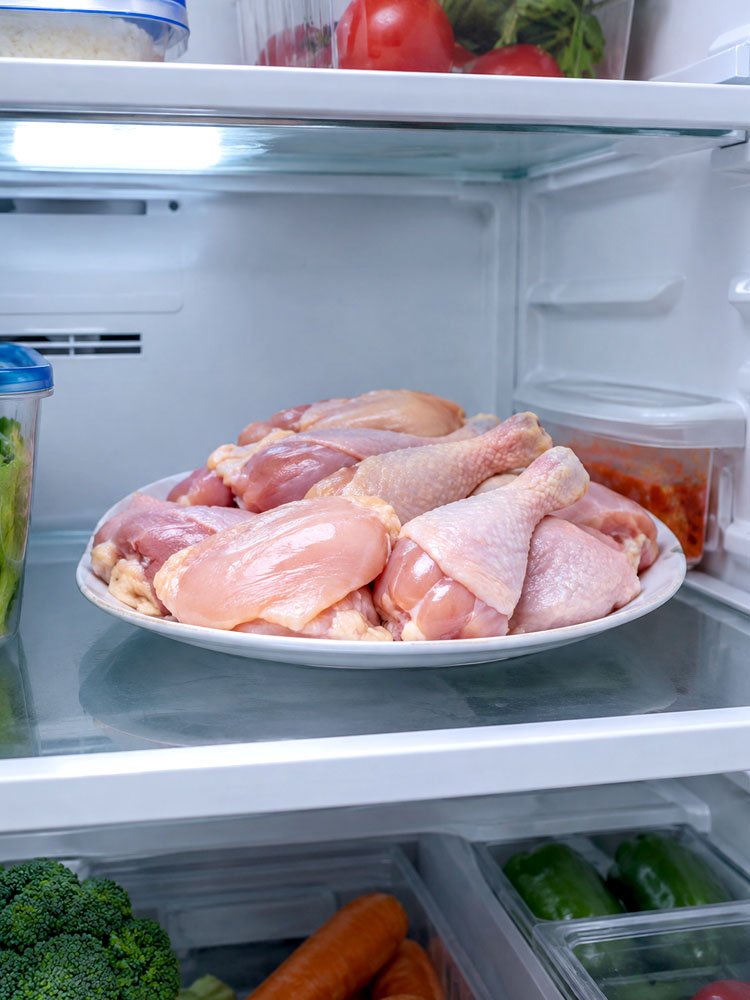
Why Does the Right Temperature Matter?
Temperature isn’t just a number on a dial, it decides whether your food stays safe or turns into a health risk fast.
Food Safety Risks
Bacteria grow fast once food sits above 40 degrees. Meat, eggs, and leftovers spoil quicker than most people expect, so keeping the fridge cold enough isn’t just a preference, it’s a health matter that protects your whole household.
Energy Bills and Cost
A fridge set too cold works overtime, and that shows up on your power bill. Setting it right, not colder than needed, keeps the compressor from running nonstop, which saves money over months without hurting your food at all.
Bacteria Growth Zone
Food scientists call 40 to 140 degrees the danger zone, where bacteria multiply fastest. Your fridge exists to keep food below that line. Staying under 40 degrees isn’t a suggestion, it’s the whole reason the appliance was built this way.
Frozen Food in the Fridge
If the fridge runs too cold, milk, eggs, and produce can freeze without warning. Frozen lettuce turns mushy, and eggs can crack inside the shell. That’s usually a sign the dial sits a notch or two too low.
Milk and Dairy Spoilage
Dairy turns sour fast once the fridge drifts warm. If milk spoils before the date on the carton, that’s often the first clue the temperature has crept up, quietly, without anyone noticing until the smell gives it away.
Warm Spots Near the Door
The door shelf runs warmer than the back of the fridge, every time. Items stored there, like condiments, hold up fine, but milk and eggs do better on an inside shelf where the air stays steadier and colder.
Getting this right isn’t complicated, but it does take a little attention, and skipping it costs more than people think. Here’s what to keep in mind:
- Keep the fridge between 35 and 38 degrees at all times
- Use a separate thermometer, not just the built-in dial
- Store milk and eggs away from the door
- Check the temperature once a month, at least
- Watch for frost buildup, it signals a setting that’s too cold
- Toss food that’s been above 40 degrees for over two hours
How to Set the Right Refrigerator Temperature
Getting the dial right takes patience, not guesswork. Follow these steps in order, and don’t rush the waiting period between checks.
Find the Temperature Dial
Most fridges hide the dial inside, near the top or back wall, sometimes labeled with numbers instead of degrees. Look for a scale from one to nine, or a simple cold-to-coldest slider, depending on the brand and model you own.
Older fridges often use vague labels like “low” and “high,” which makes exact temperature harder to judge. Newer models show actual numbers, which helps a lot. Either way, the dial controls how hard the compressor works, not the exact degree shown on a screen.
Once found, note where it currently sits. That’s your starting point. Moving it one notch colder or warmer, then waiting a full day, gives the fairest read on how the change actually affects the inside temperature.
Use a Separate Thermometer
Built-in displays often show air temperature near the sensor, not the middle shelf where food actually sits. A cheap appliance thermometer, placed in a glass of water on the middle shelf, gives a far more honest reading of real conditions.
Leave it there for a full day before trusting the number. Fridges cycle on and off, so a quick glance can catch it mid-cycle and give a false reading, either too warm or too cold compared to the real average.
Once you trust the thermometer, use it every time you adjust the dial. Guessing based on how cold the milk feels, or how frosty the shelf looks, leads to constant tweaking without ever landing on the right number.
Wait Before You Judge
Patience matters more than people expect here. After changing the dial, give the fridge a full 24 hours before checking again, since the internal temperature shifts slowly, not right away like a thermostat on a wall.
Checking too soon leads to overcorrecting, swinging the dial too far one way, then too far back the other way. That back and forth confuses the compressor and wastes energy without ever settling on a stable, safe temperature inside.
Set it, walk away, and come back the next day. That single habit solves more temperature problems than any other trick, and it costs nothing except a little patience on your part.
Adjust One Setting at a Time
Big jumps feel productive, but they usually backfire. Moving the dial from two to six in one go often overshoots the target, turning a slightly warm fridge into a frozen produce drawer within a day or two.
Instead, nudge it one notch, then wait the full day before touching it again. This slow approach takes longer, sure, but it lands on the right number without swinging past it and creating a new problem to fix.
Write down each change if it helps. A small notebook or phone note tracking dial position and thermometer reading makes the whole process faster the next time something feels off.
Check the Door Seal
A loose or cracked seal lets warm air sneak in constantly, forcing the compressor to work harder just to hold a steady temperature. Run a hand along the seal, feeling for gaps, cracks, or spots where it’s lost its grip.
The dollar bill test works well here. Close the door on a bill, then pull it out. If it slides free easily, the seal isn’t gripping like it should, and warm air is likely getting through.
A worn seal usually needs replacing, not repairing. It’s a cheap part, and it solves temperature swings that no amount of dial adjusting will ever fix on its own.
Keep Air Flowing Inside
Packed shelves block cold air from moving around, which creates warm pockets even when the dial sits at the right number. Air needs space to circulate, front to back, for every shelf to stay evenly cold.
Avoid lining the back wall with tall items, since that’s often where the main vent sits. Blocking it starves the rest of the fridge of cold air while that one spot turns into an icebox.
Leave gaps between containers where possible. It won’t look as neat, sure, but it keeps every shelf, not just the one near the vent, sitting close to that ideal 37-degree mark.
Getting the setting right takes a bit of trial and error, but it’s worth doing properly the first time. Keep these points close by while you work through it:
- Give every dial change a full 24 hours before checking again
- Trust a separate thermometer over the built-in display
- Test the door seal with the dollar bill trick
- Leave breathing room between items on each shelf
- Avoid blocking the main vent with tall containers
- Track your changes so you don’t repeat the same guesswork
What Is the Best Temperature for a Fridge?
Most food safety groups agree on the same range, and it isn’t complicated. Keep the fridge between 35 and 38 degrees Fahrenheit, with 37 sitting right in the middle as the safest overall target for most homes.
Anything above 40 degrees pushes food into the danger zone, where bacteria multiply fast enough to cause real illness within hours, not days. That’s the line every setting decision should be measured against, no matter how the dial is labeled.
Some people run their fridge colder, thinking it’s safer, but that just wastes energy and risks freezing produce or dairy near the back wall. Colder isn’t always better, it’s just colder, and that comes with its own set of problems.
The freezer, separately, should sit at 0 degrees Fahrenheit, not warmer. That number keeps ice cream firm and meat properly frozen without the slow freezer burn that ruins texture over a few weeks of storage.
- Fridge target: 35 to 38 degrees Fahrenheit
- Sweet spot: 37 degrees for most households
- Freezer target: 0 degrees Fahrenheit
- Danger zone starts: 40 degrees and above
- Recheck after: every dial adjustment, minimum 24 hours
- Warning sign: frost on shelves means it’s running too cold
Why Is My Fridge Not Cold Enough?
A warm fridge usually points to one of a few common culprits, and most of them don’t need a repair technician at all. Start with the easy checks before assuming the worst about the appliance.
First, look at the door seal. A gap there lets cold air leak out constantly, no matter how low the dial gets set. Warm air sneaks in just as fast as cold air escapes, so the compressor never catches up.
Next, check for overpacked shelves blocking the vents. Cold air needs a clear path to travel, and a fridge stuffed to the edges often runs warmer near the front, even while the back stays properly chilled.
Dust on the condenser coils, usually located behind or beneath the unit, also causes this. Coils covered in dust can’t release heat properly, which forces the whole system to strain just to hold a normal temperature.
- Inspect the door seal for gaps or cracks
- Clear space around air vents inside the fridge
- Clean dust off the condenser coils twice a year
- Confirm the dial hasn’t slipped from bumping or cleaning
- Give it 24 hours after any change before judging results
- Call for repair if the compressor never seems to cycle off
Can a Fridge Be Too Cold?
Yes, and it happens more than people realize. A fridge set too cold freezes items that were never meant to freeze, turning fresh produce into a mushy, unusable mess within a day or two of storage.
Eggs are a clear sign here. If the shells start cracking on their own, or the whites turn cloudy and firm, the fridge is likely running colder than the recommended 35 to 38 degree range calls for.
Milk behaves the same way, sometimes forming ice crystals near the cap or separating oddly once poured. That texture change usually means the temperature has drifted below what’s actually needed for safe, proper storage.
Fixing this just means nudging the dial warmer, one notch at a time, then waiting the usual 24 hours before checking again. Rushing the process tends to overshoot right back into warm territory.
- Watch for cracked eggshells inside the carton
- Check produce drawers for frozen or mushy vegetables
- Look for ice crystals forming in milk or juice
- Nudge the dial warmer by one setting only
- Wait a full day before making another change
- Recheck with a separate thermometer, not just by feel
How Often Should You Check Fridge Temperature?
Once a month is a fair habit for most households, though a few situations call for checking more often than that regular schedule.
After any dial adjustment, always recheck within 24 to 48 hours to confirm the change actually landed where intended. Skipping this step means small problems go unnoticed until food starts spoiling for no obvious reason.
Seasonal shifts matter too. Summer heat can push a kitchen warmer overall, which sometimes forces the fridge to work harder just to hold its usual setting steady through the hotter months.
After a power outage, checking becomes urgent rather than routine. Food sitting above 40 degrees for more than two hours should generally be tossed, since bacteria growth during that window isn’t always visible or obvious by smell alone.
- Check monthly as a baseline habit
- Recheck within two days of any dial change
- Watch closer during hot summer months
- Verify temperature right after any power outage
- Toss food left above 40 degrees for two-plus hours
- Keep a thermometer inside permanently for quick glances
See Also: How to Fix a Dripping Faucet (Easy Fix)
Final Thoughts
I hope this clears up the guesswork around fridge temperature. Keep it between 35 and 38 degrees, trust a separate thermometer over the built-in dial, and give every change a full day before judging it. That patience pays off in food that lasts longer and a fridge that runs smoother.
| Item | Ideal Temperature | Warning Sign |
|---|---|---|
| Fridge, overall | 35 to 38°F | Milk spoils early, food smells off |
| Freezer | 0°F | Ice cream turns soft, freezer burn appears |
| Middle shelf | 37°F | Warmest common spot, check thermometer here |
| Door shelves | 40 to 45°F | Eggs and milk spoil faster if stored here |
| Crisper drawer | 38 to 40°F | Produce wilts or freezes at wrong setting |
| Meat drawer | 34°F | Bacteria risk rises above this point |
| Danger zone | 40°F and above | Bacteria multiply fast, food unsafe |
| After power outage | Check within 2 hours | Toss food if above 40°F too long |
| Condenser coils | Clean every 6 months | Dust buildup causes uneven cooling |
| Door seal | Should grip tightly | Loose seal lets warm air leak in |
Frequently Asked Questions
Is 40 Degrees Too Warm for a Fridge?
Yes, 40 degrees sits right at the edge of the danger zone where bacteria start multiplying fast. Aim for 35 to 38 degrees instead, since that range keeps food safely below the point where spoilage speeds up.
Can a Fridge Run Too Cold for Vegetables?
Absolutely, produce drawers set too cold cause lettuce, spinach, and other leafy greens to freeze at the edges, then turn mushy once thawed. Keep the crisper drawer closer to 38 to 40 degrees for best results.
Are Built-In Fridge Thermometers Accurate?
Not always, since built-in displays often read the air near the sensor rather than the middle shelf where food sits. A separate appliance thermometer placed on a middle shelf gives a far more reliable reading overall.
Do Fridges Need Time to Reach the Right Temperature?
Yes, most fridges take 24 hours to fully settle after any dial change. Checking too soon after an adjustment often leads to unnecessary tweaking, since the internal temperature hasn’t finished stabilizing at the new setting yet.
Does a Full Fridge Stay Colder Than an Empty One?
Somewhat true, since a full fridge holds cold air better once it’s chilled, but overpacking blocks airflow and creates warm spots. A moderately full fridge, with gaps for air to move, actually performs best overall.
Should Milk Be Stored on the Door Shelf?
Not ideally, since door shelves run warmer than the rest of the fridge, closer to 40 to 45 degrees. Milk and eggs last longer on an inside shelf where the temperature stays steadier throughout the day.
Will a Dirty Condenser Coil Affect Temperature?
Yes, dust buildup on condenser coils forces the compressor to work harder to release heat, which can raise the internal temperature over time. Cleaning coils every six months helps the fridge run efficiently and stay properly cold.
Should You Toss Food After a Power Outage?
Generally yes, if food sat above 40 degrees for more than two hours during the outage. Bacteria growth during that window isn’t always visible, so when in doubt, it’s safer to throw questionable food out.
