
As an Amazon Associate, I earn from qualifying purchases at no extra cost to you.
How Long to Cook Frozen French Fries in Air Fryer (Expert Tips)

Soggy, limp potatoes hitting the trash can is a sound every home cook knows too well. You stare at that bag of frozen spuds, wondering why the oven takes thirty minutes just to produce a lukewarm mess. The kitchen clock ticks while the hunger grows, yet the bag directions never seem to work for your machine. It feels like a guessing game that ends in a sad, mushy dinner more often than not.
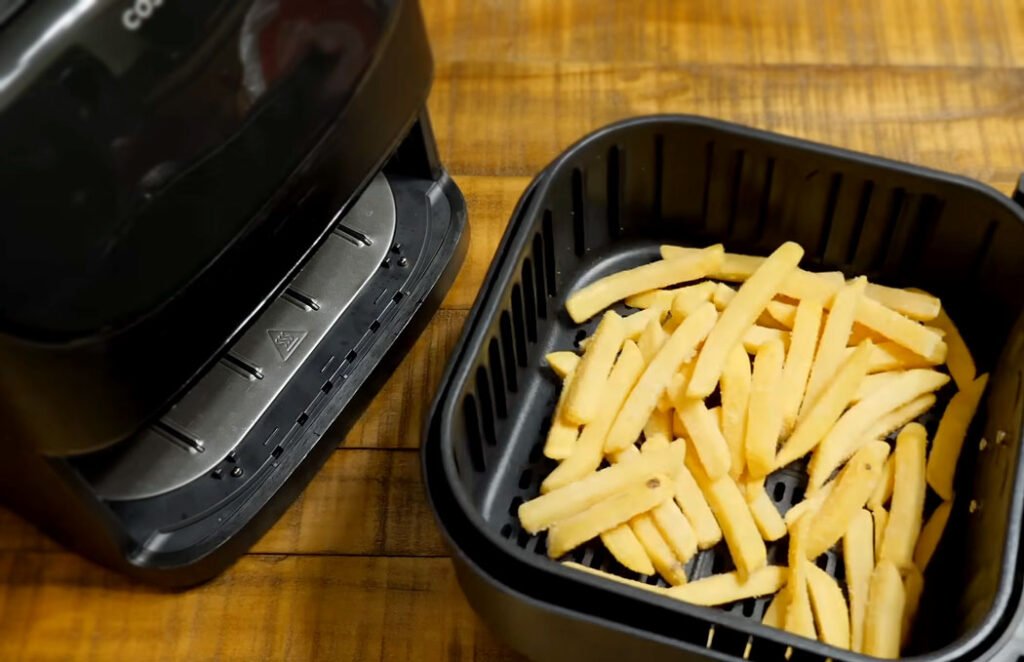
Cook standard frozen fries at 400 degrees Fahrenheit for 15 to 20 minutes. Shake the basket every 5 minutes to ensure even browning. Thinner shoestring fries need about 12 minutes, while thick steak fries take up to 25. Always preheat your machine first to get that restaurant-style crunch right away.
Why Are Air Fryer Cooking Times So Confusing?
Different Models Run at Different Temperatures
Your neighbor might have a toaster-style oven while you own a small basket model. These designs circulate heat differently, meaning one cooks much faster than the other. Smaller baskets concentrate heat, which often leads to fries turning brown too fast before the inside is soft.
Frozen Brands Use Different Cut Sizes
A bag of crinkle-cut fries has more surface area than a smooth steak fry. This extra surface area catches more hot air, changing how long the potato needs to stay inside. You cannot treat a skinny shoestring fry the same way you treat a wedge or a thick waffle fry.
Air Flow Dynamics Vary by Basket Size
The size of your basket determines how much air moves around each individual piece of potato. If you have a massive five-quart machine, the air moves freely and crisps things quickly. Smaller machines struggle to move air when you fill them up, which often results in soggy fries from the oven style textures.
Preheating Habits Change the Outcome
Starting with a cold machine adds several minutes to your total cook time. Most people skip the preheating step because they are in a hurry to eat. This choice usually leads to cold spots in frozen food because the internal temperature of the machine rises too slowly.
Humidity Levels in the Kitchen Matter
Even the air in your house can play a small role in how your machine performs. High humidity can make it harder for the air fryer to pull moisture out of the frozen potato. You might notice your fries take two extra minutes on a rainy day compared to a dry afternoon.
- Manufacturers test times in perfect lab conditions.
- Wattage varies significantly between budget and premium brands.
- The amount of ice crystals on the fries slows down heating.
- Oils used in the factory affect how heat transfers.
- Crowding the basket creates steam instead of dry heat.
- Older machines might lose heat through worn door seals.
How to Cook Frozen French Fries in Air Fryer: A Step-by-Step Guide
Preheating the Air Fryer Basket
You should always start by turning your air fryer to 400 degrees Fahrenheit for at least five minutes. This step ensures the metal basket and the air inside are already screaming hot when the food hits the surface. Think of it like a frying pan; you would never drop food into cold oil.
A hot environment seals the outside of the potato instantly. This prevents the fries from soaking up any residual moisture as they thaw. If you skip this, the fries spend the first five minutes just defrosting, which leads to a limp and disappointing texture.
Your machine will perform much better when the heating element is already at its peak. This small habit shaves minutes off the actual cooking time. You will hear that satisfying sizzle the moment the fries land, which is the first sign of a successful batch.
- Turn the dial to 400 degrees.
- Run the empty machine for five minutes.
- Keep the basket closed until you are ready.
- Listen for the fan to reach full speed.
Preparing the Frozen Fries Correctly
Do not let your bag of fries sit on the counter while the machine warms up. You want those potatoes to stay as frozen as possible until the very second they enter the heat. If they start to thaw, the starch turns gummy, and you will end up with frozen fries sticking to the basket during the cycle.
Open the bag and give it a quick shake to break up any large clumps of ice. These ice crystals turn into steam, which is the enemy of a crispy exterior. If you see massive chunks of ice, knock them off before pouring the fries into your machine.
You do not need to defrost these at all. The transition from ice-cold to intense heat is what creates the steam pressure inside the potato. This pressure makes the inside fluffy while the outside hardens into a golden crust that snaps when you bite it.
- Keep the bag in the freezer until needed.
- Break apart any frozen clumps by hand.
- Remove large visible ice crystals from the bag.
- Work quickly to keep the potatoes cold.
Layering the Fries for Optimal Airflow
You must avoid the temptation to fill the basket to the very top. Air fryers work by blowing hot air down and around the food, so space is your best friend. If you stack the fries four layers deep, the ones in the middle will never see a gust of hot air.
Aim for a layer that is no more than two fries deep for the best results. A single layer is even better, though I know that is not always realistic when you are hungry. By leaving some gaps, you allow the heat to touch every side of the potato simultaneously.
When air can circulate freely, the fries cook evenly from top to bottom. This prevents the bottom layer from sitting in a pool of moisture. You want the air to act like a whirlwind that dries out the surface of every single fry in the batch.
- Cover the bottom of the basket first.
- Limit the stack to two layers deep.
- Leave small gaps between the potato pieces.
- Cook in batches if you have a large bag.
Setting the Initial Time and Temp
Set your timer for 15 minutes as a starting point for standard cuts. This gives the potato enough time to cook through without risking a burnt exterior. You can always add more time later, but you can never take it away once the spuds are charred.
Temperature matters just as much as time in this equation. I find that 400 degrees is the “sweet spot” for almost every brand of frozen potato. It is hot enough to crisp the skin but not so hot that it triggers smoke coming from air fryer vents.
Check the package directions, but usually subtract about five minutes from their oven instructions. Air fryers are essentially high-powered convection ovens on steroids. They move heat so efficiently that they always outperform a traditional wall oven in speed and quality.
- Start with a 15-minute timer.
- Keep the heat at 400 degrees.
- Adjust down to 375 for very thin fries.
- Observe the color through the window if possible.
The Importance of Shaking Mid-Cycle
You need to pull the basket out and give it a vigorous shake every five minutes. This action rotates the fries so the parts touching the bottom move to the top. Without this, the bottom of the fries will stay pale while the tops turn dark brown.
Shaking also prevents the fries from fusing together into one giant potato brick. If they stay in one spot for too long, the starch bonds them together. A quick toss breaks those bonds and ensures every side gets that golden, crunchy finish you crave.
I usually do a “toss and flip” motion with the handle. You don’t need a spatula or tongs, as the basket design is made for this. Just make sure you do it quickly so the heat doesn’t escape the machine for too long.
- Shake the basket every five minutes.
- Use a firm, upward flicking motion.
- Check for any fries stuck in the corners.
- Ensure the basket clicks back in place.
Checking for the Perfect Level of Crisp
Once the timer hits the twelve-minute mark, start looking for visual cues. You are looking for a deep golden color and slightly puffed edges. If the fries look pale or feel soft when you shake them, they definitely need the full twenty minutes.
Beware of raw centers in thick cut fries if you pull them out too early. Use a fork to poke one of the largest fries in the batch to check for resistance. It should feel crunchy on the outside but offer no resistance once the fork enters the middle.
If you like your fries extra crunchy, let them go for an additional two or three minutes at the end. Watch them closely during this final stretch, as they can go from perfect to burnt very fast. The final minutes are where the magic happens for that restaurant-quality snap.
- Look for a dark golden-brown hue.
- Listen for a “clinking” sound when shaking.
- Test the thickest fry with a fork.
- Add time in two-minute increments if needed.
Seasoning While the Fries Are Still Hot
You must add your salt and spices the very second the fries come out of the air fryer. The heat causes the remaining surface oils to stay liquid, which acts like glue for your seasoning. If you wait until they cool down, the salt will just bounce off and sit at the bottom of the bowl.
Transfer the fries into a large bowl rather than seasoning them inside the basket. This protects your air fryer’s non-stick coating from abrasive salt grains. It also allows you to toss them thoroughly so every fry gets an even coating of flavor.
Try mixing in some garlic powder or smoked paprika for a change of pace. Because the air fryer removes so much moisture, the flavors will taste more intense. This is the stage where you can really make a cheap bag of frozen food taste like a gourmet side dish.
- Season immediately after the timer stops.
- Use a separate bowl for tossing spices.
- Avoid salty seasonings inside the fryer basket.
- Taste one fry before adding more salt.
Can You Overcrowd The Basket Without Ruining Dinner?
Overcrowding is the most common mistake people make when they are in a rush. When you pile potatoes to the brim, you are essentially steaming them instead of frying them. This leads to a texture that is more like a boiled potato than a crispy snack. The air simply cannot reach the pieces buried in the middle of the pile.
Airflow Blocks Create Mushy Textures
Hot air needs a clear path to move around every single piece of food. When fries are packed tightly, they block the wind, creating pockets of stagnant, cool air. This causes the starch to stay wet and sticky instead of drying out. You end up with a clump of potatoes that feel like fries taste like cardboard because they never developed a crust.
Bottom Layers Stay Cold and Raw
The heating element sits at the top of most air fryers. If the top layer is too thick, it acts like a shield that protects the bottom layer from the heat. You might find that the top fries are burning while the ones at the very bottom are still icy. This temperature gap makes it impossible to get a consistent batch of food.
Steam Traps Moisture Inside the Basket
Potatoes release a lot of moisture as they cook. In a crowded basket, that moisture has nowhere to go, so it turns into steam. Instead of the water evaporating into the air, it sits on the surface of the neighboring fries. This steam bath is the reason why overcrowded fries always come out soft and limp.
Uneven Browning Ruins the Visual Appeal
We eat with our eyes first, and a pile of mottled, pale fries is never appetizing. Overcrowding results in “bald spots” where two fries were touching during the entire cook time. These spots stay white and soft while the rest of the fry turns brown. It looks messy and indicates that the potato didn’t cook properly.
Longer Cook Times Dry Out the Potato
You might think adding ten minutes will fix a crowded basket, but it usually backfires. The extra time in the heat eventually dries out the internal moisture of the potato. While the outside might finally get a bit of color, the inside becomes tough and stringy. You lose that beautiful contrast between a crunchy shell and a fluffy interior.
What Is The Secret To Getting Extra Crispy Fries?
Getting that perfect crunch requires a few small tweaks to your routine. Most people just dump the bag and press start, but a little extra effort goes a long way. You want to maximize the “dryness” of the potato skin before the starch sets. These small steps help you avoid unevenly cooked potatoes and guarantee a loud crunch with every single bite.
Using a Light Spritz of Oil
Even though frozen fries are pre-fried, a tiny bit of extra oil helps conduct heat. Use a spray bottle to apply a very fine mist of avocado or vegetable oil halfway through. This creates a more intense “frying” action on the surface of the potato. It helps the heat penetrate the skin faster and results in a darker, crispier finish.
Keeping the Fries Frozen Until the Last Second
Never leave the bag on the counter while you prep the rest of your meal. The colder the fries are when they hit the 400-degree air, the better the final texture will be. This temperature shock causes the moisture on the surface to evaporate instantly. Keeping them frozen prevents the starch from becoming soggy as the ice melts.
Higher Temperatures for the Final Two Minutes
If your fries look done but don’t feel crunchy enough, crank the heat. Boost the temperature to 400 degrees for the last two minutes of the cycle. This final blast of heat acts like a “sear” for the potatoes. It hardens the outer layer without overcooking the soft, fluffy center of the fry.
Removing Excess Ice Crystals Before Cooking
Ice is the enemy of the air fryer. If your bag has been in the freezer for a while, it likely has some frost buildup inside. Pour the fries into a colander and give them a quick shake to knock off those crystals. This prevents a “rainstorm” of steam inside your machine that would otherwise ruin the crispiness.
Choosing Fries with a Starch Coating
Some brands add a thin dusting of potato starch or rice flour to their frozen products. These “extra crispy” varieties are designed specifically to hold their crunch for longer. If you have the choice at the store, look for bags that mention a batter or coating. These will always outperform plain cut potatoes in an air fryer environment.
Avoid Overlapping Thick Pieces
Steak fries and wedges are prone to sticking together because of their flat sides. When these flat surfaces touch, they create a seal that traps moisture between them. Make sure you separate any pieces that seem to be hugging each other halfway through. This ensures the hot air can “sandpaper” every side of the potato into a crisp.
Resting the Fries on a Wire Rack
Once you pull the fries out, do not dump them directly onto a flat plate. The heat from the fries will create condensation on the bottom of the plate, making the bottom layer soggy within seconds. Place them on a wire cooling rack for sixty seconds instead. This allows air to circulate underneath them while they cool slightly and firm up.
Should You Add Oil To Frozen French Fries?
Deciding whether to add oil is a common debate among air fryer owners. Most frozen products are already flash-fried at the factory, so they carry a significant amount of fat. However, adding your own can change the texture and flavor profile significantly. You have to balance the desire for crunch with the risk of burning smells while cooking if you use too much.
Most Frozen Fries Are Already Flash Fried
If you touch a frozen fry, you will often feel a waxy or oily residue on your fingers. Manufacturers do this so the fries will “fry” again when you put them in your oven at home. Because of this, adding more oil is often unnecessary for basic cooking. The built-in oil is usually enough to get a decent golden color.
Extra Oil Can Lead to Smoke Issues
If you overdo the oil, it will drip off the fries and hit the bottom of the air fryer pan. When that oil reaches its smoke point, your kitchen will quickly fill with a gray haze. This is especially true if you use low-smoke-point oils like butter or extra virgin olive oil. Always stick to high-heat oils if you decide to add a spritz.
Olive Oil Versus High Smoke Point Sprays
If you want the flavor of olive oil, apply it very sparingly at the very end. For the actual cooking process, avocado oil or grapeseed oil are much better choices. They can handle the 400-degree heat without breaking down or tasting bitter. A high-quality oil spray allows you to get even coverage without drenching the potato.
Spraying the Basket Instead of the Fries
Sometimes, the goal isn’t to make the fries crispier, but to prevent them from sticking. In this case, spray the basket lightly before you preheat it. This creates a non-stick barrier that helps the fries slide around during the shaking process. It is a great trick if you are dealing with too much salt on fries that have become sticky.
When to Use Dry Seasonings Only
If you are watching your calorie intake, skip the oil entirely and focus on dry rubs. You can achieve a great flavor profile using onion powder, paprika, and salt without adding a single gram of fat. The air fryer is efficient enough to brown the potatoes using only the oils already present in the frozen bag.
The Danger of Clogging Air Vents
Using aerosol sprays like Pam can actually damage your air fryer over time. These sprays often contain soy lecithin, which creates a sticky buildup on the basket and the vents. This gunk is incredibly hard to clean and can eventually restrict airflow. Use a simple pump-style oil mister to keep your machine in top shape.
Why Do Some Fries Burn While Others Stay Raw?
It is frustrating to open the basket and see a mix of charcoal and ice. This usually happens because of physics and the way air moves inside a small chamber. If your basket won’t close properly or the fan isn’t spinning right, you will see massive differences in doneness. Understanding these factors helps you troubleshoot a bad batch before it happens again.
Thin Ends Burn Faster Than Thick Centers
Frozen fries are rarely uniform in shape. A single bag often contains long, thick fries and tiny, shriveled “nubs” from the end of the potato. Those small pieces have very little mass, so they cook through in half the time. By the time the big fries are ready, the small ones are already burnt to a crisp.
Sugar Content in Certain Potato Varieties
Some potatoes have higher natural sugar levels than others. When these sugars hit high heat, they undergo the Maillard reaction, which creates browning. If a potato has too much sugar, it will turn dark brown before the starch inside has even finished cooking. This results in a fry that looks done but tastes like a raw potato.
Position Relative to the Heating Element
The air directly under the heating element is much hotter than the air at the bottom of the basket. If you don’t shake the basket, the fries on top will bear the brunt of that intense radiation. This is why the “shake” step is the most critical part of the process. It ensures no single fry spends too much time in the “hot zone” at the top.
Accumulated Grease Causing Flare Ups
If you haven’t cleaned your air fryer recently, old grease might be sitting in the bottom tray. This old oil can smoke and create localized heat spikes that burn the bottom layer of your food. A clean machine provides much more consistent results. Always wipe out the bottom of the pan after every use to avoid this.
Broken Fan Belts Reducing Air Circulation
If the fan isn’t spinning at full speed, the air fryer becomes a regular oven. Without that high-velocity wind, the heat just sits at the top of the machine. This leads to the top layer burning while the bottom stays raw. If you notice your machine sounds quieter than usual, the fan might be struggling to move the air.
Using Parchment Paper Incorrectly
Parchment paper is great for cleanup, but it can be a disaster for airflow. If you cover the entire bottom of the basket with paper, you block the air from coming up through the holes. The fries sitting on the paper will stay soggy and raw because they are shielded from the heat. Always leave the edges of the basket open.
Mixing Different Brands in One Batch
Never mix two different bags of fries in the same cooking cycle. Even if they look similar, one brand might have more moisture or a different thickness. These subtle differences mean they will finish at different times. Stick to one brand per batch to ensure every piece of potato follows the same cooking curve.
Leaving Old Crumbs in the Basket
Small bits of potato from a previous batch can hide in the corners of your basket. These crumbs will burn almost immediately when you start a new 20-minute cycle. The smell of burning old food can actually infuse into your fresh fries. Take ten seconds to dump out any debris before you load up a fresh batch.
Final Thoughts
I hope this helps you master the art of the perfect frozen fry. Cooking should be a joy, and getting that restaurant-style crunch at home is a small win that makes any meal better. Remember to preheat your machine and give those fries a good shake every few minutes. Once you see that golden glow and hear the crunch, you will never go back to using a standard oven again.
Quick Guide Table
| Fry Type | Time (Minutes) | Temperature (°F) |
|---|---|---|
| Standard Cut | 15-18 | 400 |
| Shoestring | 10-12 | 400 |
| Crinkle Cut | 18-20 | 400 |
| Steak Fries | 20-25 | 400 |
| Waffle Fries | 15-18 | 400 |
| Sweet Potato | 18-22 | 375 |
| Potato Wedges | 22-25 | 400 |
| Tater Tots | 12-15 | 400 |
| Curly Fries | 15-20 | 400 |
| Home Fries | 18-22 | 400 |
Frequently Asked Questions
Is it necessary to preheat the air fryer?
Yes, preheating ensures the basket is hot enough to crisp the fries immediately. This prevents the potatoes from thawing slowly and becoming mushy. It only takes five minutes and makes a massive difference.
Can you put frozen fries directly in the air fryer?
You should always cook them straight from the freezer. Defrosting them causes the starch to break down and results in a limp texture. The temperature shock is what creates the perfect crunch.
Are air fried fries healthier than regular fries?
They use much less oil than traditional deep frying. Most frozen fries are already pre-fried, so the air fryer just finishes the job using hot air. This saves you hundreds of calories per serving.
Do I need to use oil spray?
Most frozen fries have enough oil on them already. However, a light mist of avocado oil can help achieve a darker golden color and extra crunch. Use it sparingly to avoid smoke issues.
Does crowding the basket really matter?
Overcrowding is the number one cause of soggy fries. Air needs to circulate around every piece of potato to dry out the surface. Keep the layer thin for the best results.
Should I salt them before or after?
Always salt your fries the moment they come out of the heat. The residual surface oil is still liquid and will hold the salt in place. If you wait, the salt will just fall off.
Will sweet potato fries take longer?
Sweet potato fries have more sugar and moisture than white potatoes. They usually need a slightly lower temperature and a few extra minutes. Watch them closely as they can burn very quickly.
How do I know when they are done?
The fries should be a deep golden brown and feel firm when shaken. If they make a “clinking” sound against the basket, they are perfectly crisp. You can also test a thick one with a fork.
