
As an Amazon Associate, I earn from qualifying purchases at no extra cost to you.
How to Defrost Chicken Safely at Home (Safe Steps)

Chicken sitting on the counter for hours? That’s not safe, and it’s a common kitchen mistake. Frozen chicken needs a proper thaw, or bacteria can grow fast. Good news, there are a few safe ways to do this without much fuss. This guide walks through the safest methods, so dinner turns out fine and nobody gets sick.
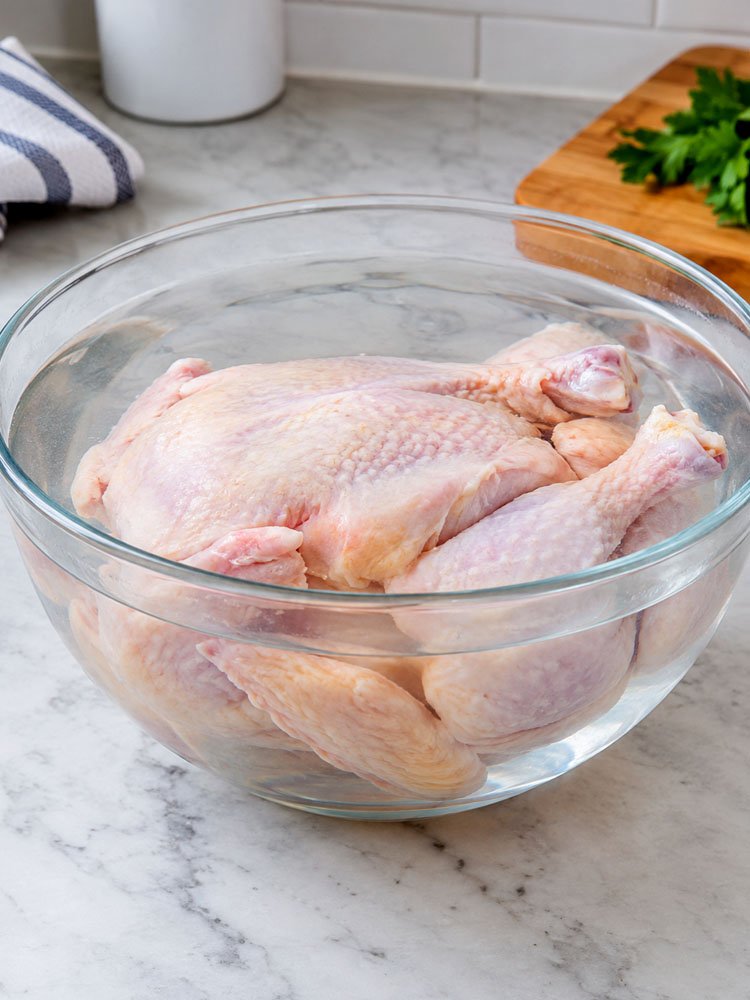
You’ve got three safe ways to defrost chicken, the fridge, cold water, or the microwave. The fridge takes longest, about a day, but it’s the safest bet. Need it faster? Submerge sealed chicken in cold water, and change the water every 30 minutes. Cook it right after, don’t let it sit around once it’s thawed.
Why Does Chicken Need Careful Thawing?
Raw chicken carries bacteria like salmonella, and thawing it wrong lets that bacteria multiply fast and spread. The right method keeps food safe for the whole family.
The Danger Zone Explained
Bacteria grow fastest between 40 and 140 degrees Fahrenheit, that range is called the danger zone. Leave chicken out too long, and it slips right into that zone. Cold storage or cold water keeps meat below that risky range, so germs can’t multiply.
Why Room Temperature Is Risky
Leaving chicken on the counter feels quick, but it’s actually risky. The outside warms up fast while the inside stays frozen, and that outer layer becomes a perfect spot for bacteria to grow before the meat even finishes thawing all the way through.
Frozen Chicken and Food Safety
Frozen chicken is safe as long as it stays frozen solid. The trouble starts once it warms up unevenly, or sits out too long before cooking. Thaw it the right way, and the risk drops way down, keeping dinner safe for everyone at the table.
The Fridge Method Basics
The fridge is the slowest way to thaw chicken, but it’s also the safest. Chicken stays at a steady cold temperature the whole time, which keeps bacteria from growing. Plan ahead, though, because a whole chicken can take a full day or more.
Cold Water Thawing Speed
Cold water works much faster than the fridge, often just an hour or two for smaller pieces. Keep the chicken sealed in a leak proof bag, and change the water every 30 minutes so it stays cold enough to keep bacteria away.
Microwave Thawing Concerns
The microwave thaws chicken fast, but it can start cooking the edges while the middle stays frozen. That uneven heat creates a spot bacteria love. Cook the chicken right away after microwave thawing, don’t let it sit around waiting.
Pick the method that fits your schedule, but never skip the safety steps. A little planning saves you from food poisoning and wasted dinner, so it’s worth the extra thought.
- Keep raw chicken away from other foods in the fridge
- Use a leak proof bag for cold water thawing
- Never thaw chicken on the counter at room temperature
- Cook chicken right after it thaws, don’t delay
- Wash your hands after touching raw chicken
- Check chicken feels cold, not warm, before cooking
How to Defrost Chicken Safely Step by Step
Three methods work well for chicken, the fridge, cold water, and the microwave. Pick the one that matches your time, then follow these steps closely.
Thaw Chicken in the Fridge
The fridge is the easiest and safest choice for most people. Place the chicken on a plate or in a container, so any juice doesn’t drip onto other food.
Set it on the bottom shelf, away from foods you won’t cook right away. A whole chicken can take a full day or two to thaw completely.
Once it’s thawed, cook it within a day or two for the best taste and safety. If plans change, it’s fine to refreeze chicken that thawed in the fridge, as long as it stayed cold the whole time.
Speed Things Up With Cold Water
Cold water thaws chicken much faster than the fridge does. Seal the chicken tightly in a leak proof bag first, so no water gets inside.
Submerge the bag in a bowl of cold water, never warm or hot. Change the water every 30 minutes to keep it cold enough.
Small pieces thaw in about an hour, while a whole chicken can take two to three hours to finish. Cook it right after, since this method doesn’t chill the meat as deeply as the fridge does, and bacteria can grow if it sits too long.
Use the Microwave With Care
The microwave works fast when time is tight, using the defrost setting made for meat. It’s the quickest option among the three, but it needs close attention the entire time.
Turn or flip the chicken partway through, since microwaves thaw unevenly by nature. Some spots may start to cook while others stay icy in the middle, which isn’t ideal for even cooking.
Cook the chicken right after microwave thawing, no waiting around at all. Letting it sit lets warm spots turn into a breeding ground for bacteria fast, so move quickly.
Check the Chicken Is Ready
Thawed chicken should feel soft all over, with no icy or frozen spots left inside. Press gently on the thickest part of the breast or thigh to check for any firmness left.
If the middle still feels hard or icy in spots, it needs more time in the water or fridge. Don’t rush this step, since uneven thawing leads to uneven cooking later on.
A meat thermometer helps too, showing the internal temperature clearly before it goes into a pan or oven for cooking. Trust the check, not just the clock on the wall.
Handle Thawed Chicken Right
Once chicken thaws, keep it separate from other foods, especially anything eaten raw like salad. Cross contamination happens fast in a busy kitchen, so keep raw chicken on its own plate the whole time, always.
Wash your hands, cutting board, and knife right after touching raw chicken. Warm soapy water does the job well every single time, and hot water works even better.
Wipe down counters too, since raw juice can spread further than it looks across a kitchen. A clean kitchen keeps everyone safe from getting sick later on.
Store or Cook It Fast
Cook thawed chicken within a day or two if it sat in the fridge the whole time thawing. Waiting longer than that raises the risk of spoilage and bad smells.
Chicken thawed in cold water or the microwave should cook right away, no delay at all allowed. These faster methods don’t keep meat as cold as the fridge does.
Freezing thawed chicken again is only safe if it stayed properly cold the whole time and hasn’t been cooked yet. When unsure, cooking it first is always the safer path to take.
Whichever method fits your day, safety matters more than speed. Plan a little ahead, follow the steps closely, and dinner turns out both tasty and safe for the whole family.
- Choose the fridge for planned meals a day ahead
- Pick cold water when you need chicken fast
- Use the microwave only if cooking right away
- Check for icy spots before you start cooking
- Keep raw chicken separate from ready to eat food
- Never refreeze chicken that already got cooked
Is It Safe to Cook Chicken From Frozen?
Yes, cooking chicken straight from frozen is safe, though it takes longer than usual. The outside cooks while the inside slowly catches up, so patience matters here more than speed.
Add about 50 percent more cooking time compared to thawed chicken, sometimes even more for larger cuts. An oven or stovetop works fine, but a slow cooker isn’t a good match for frozen meat. Give the chicken extra time near the bone too.
Always check the internal temperature reaches 165 degrees Fahrenheit before serving any piece. A meat thermometer takes the guesswork out completely, so nobody bites into something undercooked by mistake.
Skip the breading or coating step until chicken partly thaws, since coating sticks much better that way. Frozen chicken works just fine in soups, stews, and baked dishes too, without much fuss. It just needs a bit more time in the pot.
- Frozen chicken breasts need about 50 percent longer to cook
- Always confirm 165 degrees Fahrenheit with a thermometer
- Skip slow cookers for chicken starting out frozen
- Soups and stews handle frozen chicken really well
- Wait to bread chicken until it partly thaws
- Bake or roast frozen chicken at a lower heat first
How Long Can Thawed Chicken Sit in the Fridge?
Thawed chicken stays good in the fridge for one to two days before cooking. Beyond that window, the risk of spoilage climbs fast, even if it still looks fine. Cook it sooner rather than later.
Smell matters here, a sour or off odor means it’s time to toss the chicken out. Sliminess on the surface is another warning sign worth paying attention to. Trust your senses over the calendar when something seems off.
Keep the chicken on the bottom shelf, wrapped tightly, so juice doesn’t drip onto other food below it. A sealed container works even better than loose wrapping. This simple habit keeps the whole fridge cleaner and safer.
If two days pass without cooking, freezing again is safer than waiting longer. Cooked chicken, on the other hand, lasts about three to four days once it’s chilled properly. Label the bag with the date so nothing gets forgotten.
- Cook thawed chicken within one to two days
- Watch for sour smells or a slimy texture
- Store chicken on the bottom shelf of the fridge
- Use a sealed container to stop leaks and drips
- Freeze chicken again if you can’t cook it soon
- Cooked chicken lasts three to four days chilled
See Also: How to Fix a Dripping Faucet (Easy Fix)
Can You Refreeze Chicken After Thawing It?
Yes, but only if the chicken thawed in the fridge and stayed cold the entire time. Refreezing chicken thawed another way isn’t safe. That steady cold keeps the meat safe enough to go back in the freezer without much worry.
Cold water and microwave thawing warm the chicken faster, and refreezing after those methods raises the risk of bacteria growth. Cook it first instead. Once chicken cooks, it can safely freeze again for later meals.
Quality drops a bit each time chicken freezes and thaws, so texture may turn a little watery or dry. Safety matters more than texture, though. Marinating before the second freeze can help bring some moisture back.
Label refrozen chicken with the date, and try to use it within a month or two for the best results. Older frozen chicken still works, just expect softer texture. A permanent marker on the bag makes tracking dates simpler.
- Refreeze only chicken thawed safely in the fridge
- Cook chicken first if thawed in water or microwave
- Expect a slight texture change after refreezing chicken
- Label bags with the date before freezing again
- Use refrozen chicken within a month or two
- Marinate chicken to help bring moisture back
Does Marinating Chicken Count as Thawing It?
No, marinating isn’t a thawing method, and chicken still needs a real thaw first. Marinade sits on the outside, it doesn’t reach the frozen center. Skip this step, and the outside of the chicken ends up flavorful while the inside stays bland.
Trying to marinate frozen chicken wastes flavor, since the marinade can’t soak into ice. Thaw completely first, then marinate for the best taste. Patience here pays off with better flavor all the way through.
Marinating time depends on the cut, smaller pieces need less time than a whole bird. Thirty minutes to overnight usually works well for most recipes. Bigger cuts, like a whole chicken, benefit from a longer soak overnight.
Always marinate in the fridge, never on the counter, since raw chicken juice mixes into the marinade. Toss used marinade unless it’s boiled first. That quick boil kills off any bacteria left behind from the raw meat.
- Thaw chicken fully before adding any marinade
- Marinade can’t soak through ice or frozen meat
- Give smaller cuts thirty minutes to an hour
- Let a whole chicken marinate overnight for best flavor
- Always marinate chicken inside the fridge, not the counter
- Boil leftover marinade before reusing it as a sauce
Final Thoughts
I hope this clears up the best ways to thaw chicken without any worry. Pick the method that fits your schedule, follow the steps closely, and always cook chicken all the way through. A little care now means a safer, tastier meal for everyone at the table tonight.
| Thawing Method | Time Needed | Safety Tip |
|---|---|---|
| Fridge | 1 to 2 days | Keep on the bottom shelf |
| Cold water | 1 to 3 hours | Change water every 30 minutes |
| Microwave | 8 to 10 minutes | Cook right away after |
| Room temperature | Not recommended | Bacteria grow fast above 40°F |
| Small chicken pieces | 30 to 60 minutes in cold water | Use a leak proof bag |
| Whole chicken | Up to 24 hours in the fridge | Plan a day ahead |
| Frozen chicken breast | About 1 hour in cold water | Cook to 165°F internal temp |
| Ground chicken | 1 to 2 hours in cold water | Cook the same day |
| Chicken thighs | 1 to 2 hours in cold water | Check for icy spots |
| Cooked leftover chicken | 1 day in the fridge | Eat within 3 to 4 days |
Frequently Asked Questions
Is It Safe to Thaw Chicken on the Counter?
No, leaving chicken on the counter isn’t safe, even for a short time. Room temperature lets bacteria grow fast on the outside layer, while the inside stays frozen far too long, raising the risk of foodborne illness for anyone who eats it.
Can You Thaw Chicken in Hot Water?
No, hot water isn’t a good idea for thawing chicken. It warms the outside too fast, creating a perfect spot for bacteria while the center stays frozen, so stick with cold water and change it every 30 minutes for safer results.
Are There Signs Chicken Has Gone Bad After Thawing?
Yes, watch for a sour or ammonia like smell, a slimy or sticky texture, and any gray or dull color on the surface. If any of these show up, toss the chicken instead of cooking it, since the risk isn’t worth taking.
Do You Need to Rinse Chicken Before Cooking It?
No, rinsing chicken isn’t necessary and can actually spread bacteria around the sink and counter through splashing water. Cooking chicken to the right internal temperature kills germs far better than rinsing ever could, so skip this old habit for safer cooking.
Does Frozen Chicken Take Longer to Cook Than Thawed?
Yes, frozen chicken needs about 50 percent more cooking time compared to chicken that’s already thawed. The extra time lets heat reach the center safely, so always check with a meat thermometer before serving any piece straight from frozen.
Should You Thaw Chicken Before Grilling It?
Yes, thawing chicken before grilling gives much better results, since the heat cooks evenly from edge to center. Grilling from frozen often burns the outside while the middle stays raw, so a proper thaw first makes for safer, tastier chicken.
Will Chicken Thaw Faster in Salt Water?
Not really, salt water doesn’t speed up thawing in any meaningful way, and plain cold water works just as well. What actually matters is changing the water often and keeping the chicken sealed tightly in a leak proof bag throughout the process.
Is It Okay to Cook Partially Frozen Chicken?
Yes, cooking partially frozen chicken is fine, as long as it reaches 165 degrees Fahrenheit all the way through before serving. It may take a little extra time in the oven or on the stove, so check the center with a thermometer.
